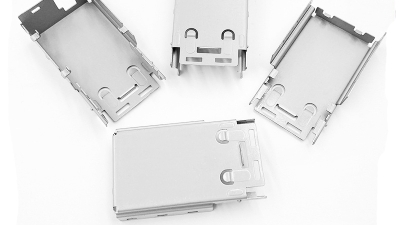
So, as the global Metal Processing scene keeps changing pretty fast, getting a grasp on the major trends and knowing the essentials can really make a difference when it comes to making smart purchasing choices. Looking ahead to 2025, it’s clear that companies are placing even more emphasis on innovation and efficiency in this field. Firms like Shengyi Intelligent Technology Co., Ltd. are really leading the way—they specialize in CNC turning and milling parts, metal Stamping, and all sorts of wire molding products. They’re deeply involved in research, manufacturing, sales, and customer support, which makes them a reliable partner in this ever-shifting industry.
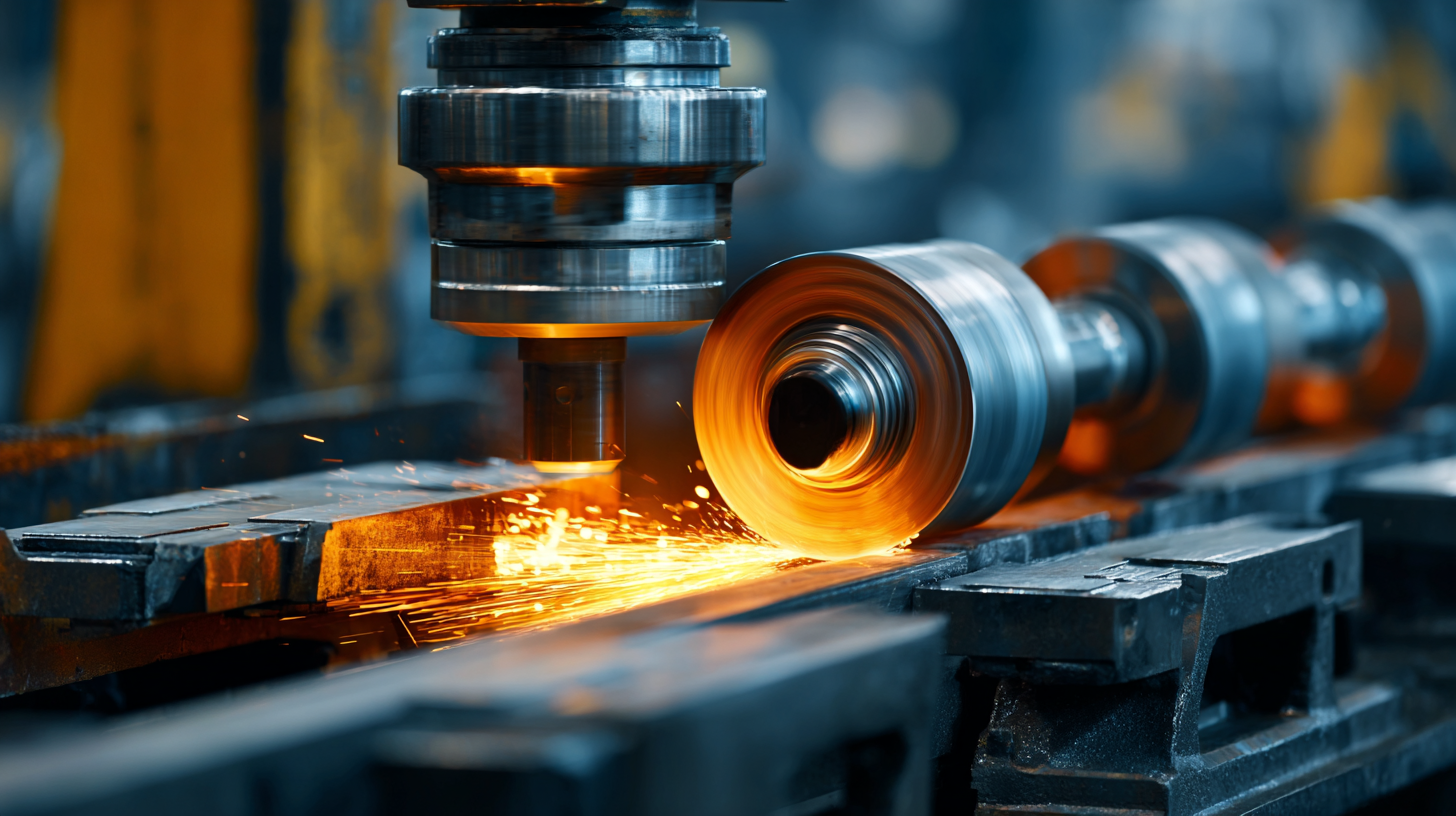
In this blog, we’re going to share some key insights and practical tips for buyers—things that’ll help you navigate the tricky world of metal processing a lot more smoothly. Whether you’re a seasoned pro or just starting out, understanding these details can truly help you make better decisions and stay ahead of the game in this competitive market.
Hey, did you know the global metal processing market is heading into some pretty exciting changes by 2025? It’s being powered up by all sorts of things—like new tech breakthroughs and growing demand across different industries. Experts are even saying it could hit around $1007.4 billion next year! So, what’s driving all of this? Well, it’s partly because manufacturing is expanding and everyone’s really focusing on sustainability and eco-friendly practices. If you’re involved in this space, understanding what's fueling growth is super important—especially if you want to stay ahead of the game.
Now, if you’re thinking about jumping into these metal processing trends or just want to make smarter moves, here are a few tips that might help. First off, consider investing in innovative tech—things like automation and better materials. They can really ramp up your efficiency and cut down on waste, which is a win-win. Next, keep an eye on any new regulations that might come into play, especially around sourcing and processing materials. Being quick to adapt can give you a real leg up. And lastly, it’s a good idea to team up with suppliers who are serious about sustainability. Not only does this help the planet, but it can also boost your brand’s reputation since customers are more than ever into eco-friendly businesses.
All in all, staying informed and flexible is key in this evolving market. It’s an exciting time, and those who get it right could see some great opportunities!
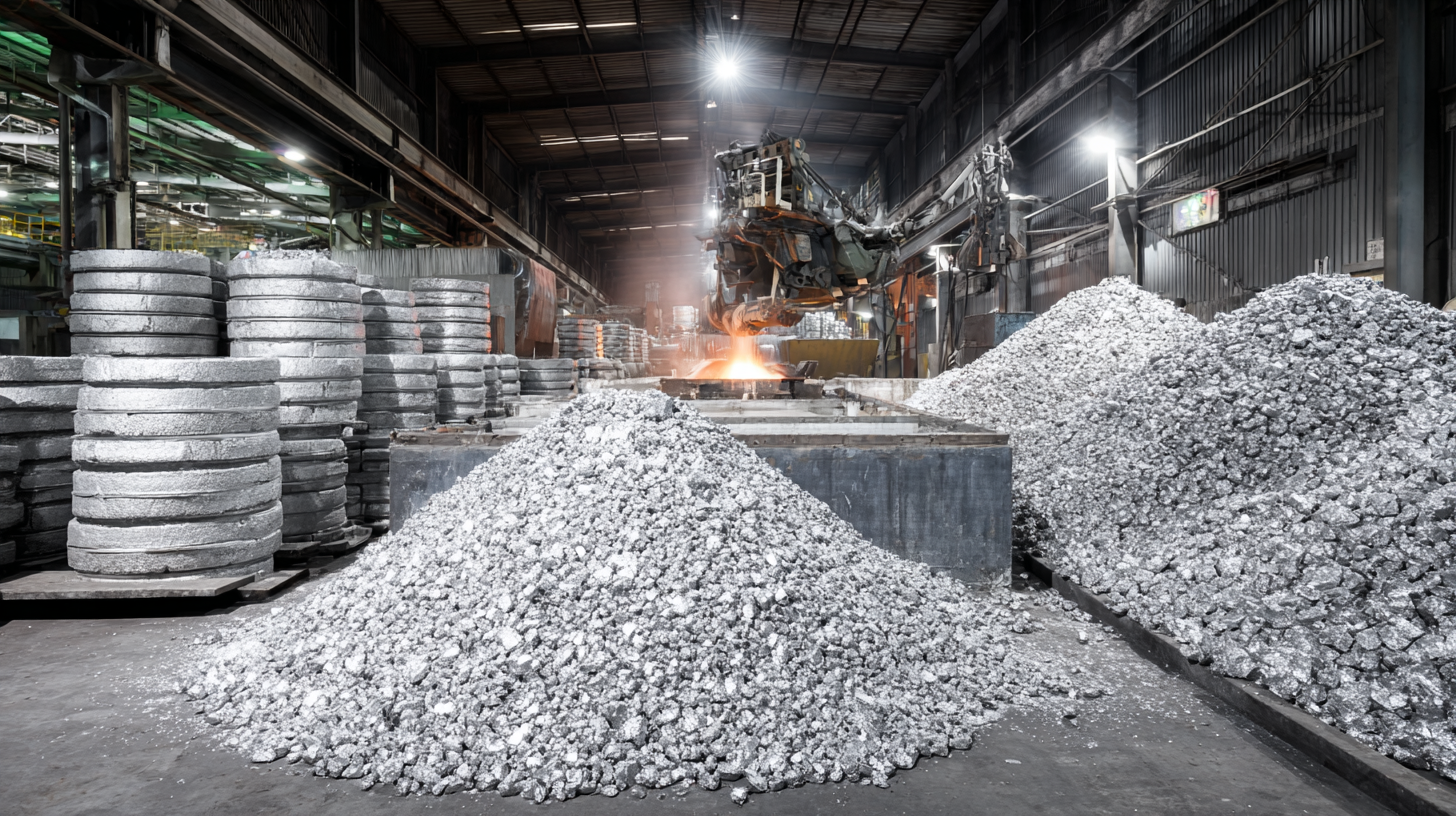
Looking ahead to 2025, it’s clear that the metal processing industry is on the brink of some major changes. Things are shifting pretty quickly, thanks to key trends like the rise of new technologies—think automation and AI—that are really transforming how things get done. It’s honestly making work more efficient and boosting productivity across the board. On top of that, sustainability is becoming a huge deal. More companies are pushing for recycling and waste reduction, trying to stay ahead of the curve, not just to meet regulations but because consumers are really paying attention to environmentally friendly practices now.
Another exciting thing happening is the growth of additive manufacturing, especially metal 3D printing. This tech is pretty game-changing because it lets manufacturers customize parts more easily and cut down on material waste. Plus, with global demand for metal products still ticking up—thanks to booming industries like construction and automotive—it’s clear that staying on top of these trends is more important than ever. If you’re involved in this market, understanding where things are heading can really help you make smarter buying decisions and stay competitive as the landscape keeps evolving. It’s an interesting time, for sure!
| Trend | Impact on Industry | Recommendations for Buyers |
|---|---|---|
| Sustainability Initiatives | Increased demand for eco-friendly products and processes. | Seek suppliers with sustainable practices and certifications. |
| Automation and AI | Enhanced efficiency and reduced operational costs. | Invest in automated solutions for improved productivity. |
| Supply Chain Resilience | Need for diversified sourcing strategies. | Consider multiple suppliers to mitigate risks. |
| Digital Transformation | Shift towards integrated digital solutions and data analytics. | Adopt new digital tools for data-driven decision-making. |
| Global Trade Policies | Impact on import/export tariffs and sourcing costs. | Stay informed on trade regulations to optimize procurement strategies. |
Negotiating the complex world of global metal supply chains is becoming more and more important for buyers, especially as the 2025 metal processing market keeps moving at a pretty rapid pace. With an expected growth rate of around 5.3% annually, fueled by increased demand from the automotive and construction sectors, it’s really vital to stay on top of the latest trends. A recent report from Research and Markets even predicts that worldwide demand for metals will hit about 1.8 billion metric tons by 2025 — that’s a huge opportunity, but also some serious challenges for folks involved in procurement.
For buyers, building strong relationships with suppliers is key to making sure you get a steady, reliable flow of materials. Being flexible with sourcing options is also a must, especially since disruptions from geopolitical issues or supply shortages can happen anytime. On top of that, using digital tools to improve supply chain transparency can really pay off, making decision-making a lot easier. In fact, data from McKinsey shows that companies who digitize their supply chains can boost their cost efficiency by up to 20%. That’s a pretty significant advantage, especially since profit margins in the metal processing game are expected to get tighter. So, by adopting these strategies, buyers can better navigate the complicated global metal procurement landscape and stay ahead of the curve.
The global metal processing industry is really going through some pretty exciting changes lately. You can definitely feel it in the air — lots of new tech innovations are popping up, making everything more efficient and just plain better. Looking ahead to 2025, it’s clear that we’ll see even more emphasis on automation and digital tools in these factories. Think advanced robots and AI systems becoming everyday parts of the process — helping to speed things up, cut down on waste, and nail that perfect precision we all strive for. These techs not only help reduce human error but also speed up production, so companies can respond faster to what the market wants.
On top of that, the rise of smart technologies like the Internet of Things (IoT) is really reshaping how things are done. With IoT gadgets monitoring equipment in real time, companies can stay ahead — doing predictive maintenance and streamlining workflows. Plus, by digging into data analytics, manufacturers can keep a close eye on performance and sort out issues before they even happen. It’s all about working smarter, not harder. For buyers out there, getting the hang of these new advancements is pretty important — it helps you make smarter choices and stay competitive in this rapidly changing global market.
You know, it's pretty fascinating how Asian markets are really shaking things up in the metal processing world. I came across this study that says the global market for CNC metal cutting machine tools might hit a massive USD 252.67 billion by 2034, with a solid growth rate of around 10.2% each year. A big reason for this? Countries in Asia are jumping into industrialization like never before, and their demand for cutting-edge manufacturing tech is skyrocketing. Oh, and let’s not forget how the electronic packaging sector there is booming—it’s expected to hit about USD 62.51 billion by 2024. That just proves how crucial Asia has become on the global stage when it comes to metal processing.
And get this, the scrap metal recycling scene isn’t slowing down either. It’s projected to grow to around USD 577.2 billion by 2034, at a CAGR of about 6.5%. With stricter environmental rules coming into play and a real push toward sustainability, Asian markets are pouring investments into smarter, more efficient recycling technologies. All of this isn’t just good for the economy—it’s positioning Asia as a real leader when it comes to innovative metal processing solutions. Honestly, it feels like we're witnessing a pretty transformative moment for the industry.
The chart below illustrates the projected growth in metal processing market share across different regions by 2025, highlighting the significant rise of Asian markets.
When undertaking a new project, the choice of enclosures is crucial for ensuring the longevity and reliability of your electronic components and mechanisms. Discovering the unique benefits of metal casings can significantly enhance your project's performance. Metal enclosures, known for their robust protection against environmental challenges, serve as an excellent solution. These casings shield internal components from shock, vibration, dust, and moisture, making them ideal for industries that process data or require equipment stability, such as telecommunications and aerospace.
According to a report by MarketsandMarkets, the global market for metal enclosures is projected to reach USD 5.01 billion by 2026, driven by the increasing demand for quality and durability in various applications. Metal enclosures not only diffuse heat effectively but also provide electromagnetic interference (EMI) shielding, which is crucial in maintaining the integrity of sensitive electronic devices. Studies indicate that metal casings can reduce the EMI impact by up to 80%, ensuring optimal performance and safety in high-frequency environments.
Choosing metal enclosures also translates into sustainability advantages. Recent reports highlight that metal can be fully recycled without loss of quality, making it a more eco-friendly option compared to plastic counterparts. As projects increasingly prioritize sustainable practices, opting for metal casings contributes to minimizing waste and promoting a circular economy. When planning your next endeavor, consider the multifaceted benefits that metal casings bring to ensure durability, efficiency, and environmental responsibility.
: The key trends include the adoption of advanced technologies like automation and AI, a focus on sustainability through recycling and waste reduction, the rise of additive manufacturing, and growing global demand for metal products.
Technology enhances efficiency through automation, digitalization, advanced robotics, and AI, which streamline operations, reduce waste, and improve precision in manufacturing, ultimately accelerating production timelines.
Sustainability is central as companies invest in green technologies and adopt recycling practices to meet regulatory demands and consumer expectations for environmentally friendly operations.
IoT allows for real-time monitoring of equipment, leading to predictive maintenance and optimized workflows, which enhances overall operational efficiency through data analytics.
Asian markets are experiencing rapid industrialization and increasing demand for advanced manufacturing technologies, which are driving significant growth in the metal processing sector.
The CNC metal cutting machine tools market is projected to reach USD 252.67 billion by 2034, growing at a CAGR of 10.2%.
The scrap metal recycling market is anticipated to grow to USD 577.2 billion by 2034, with a CAGR of 6.5%, driven by stricter environmental regulations and a focus on sustainability.
Additive manufacturing, especially metal 3D printing, allows for customization and production efficiency by enabling manufacturers to create complex parts with less material waste.
Companies can remain competitive by understanding key trends, adopting advanced technologies, focusing on sustainability practices, and being aware of regional market shifts, particularly in Asia.
Growing industries such as construction and automotive are major factors driving the global demand for metal products.