You know, Cnc Milling has really become a game-changer in the world of precision machining. It’s what lots of manufacturers rely on these days to make super accurate, complex parts quickly and efficiently. I came across a report from MarketsandMarketsthat says the Cnc Machining market is expected to jump from around$63.5 billion in 2021 to over $100 billion by 2026 — that’s a solid growth rate of about 9.6% per year. A big reason for this boom? New tech in CNC machines that give us more flexibility in design and greater precision than ever before.
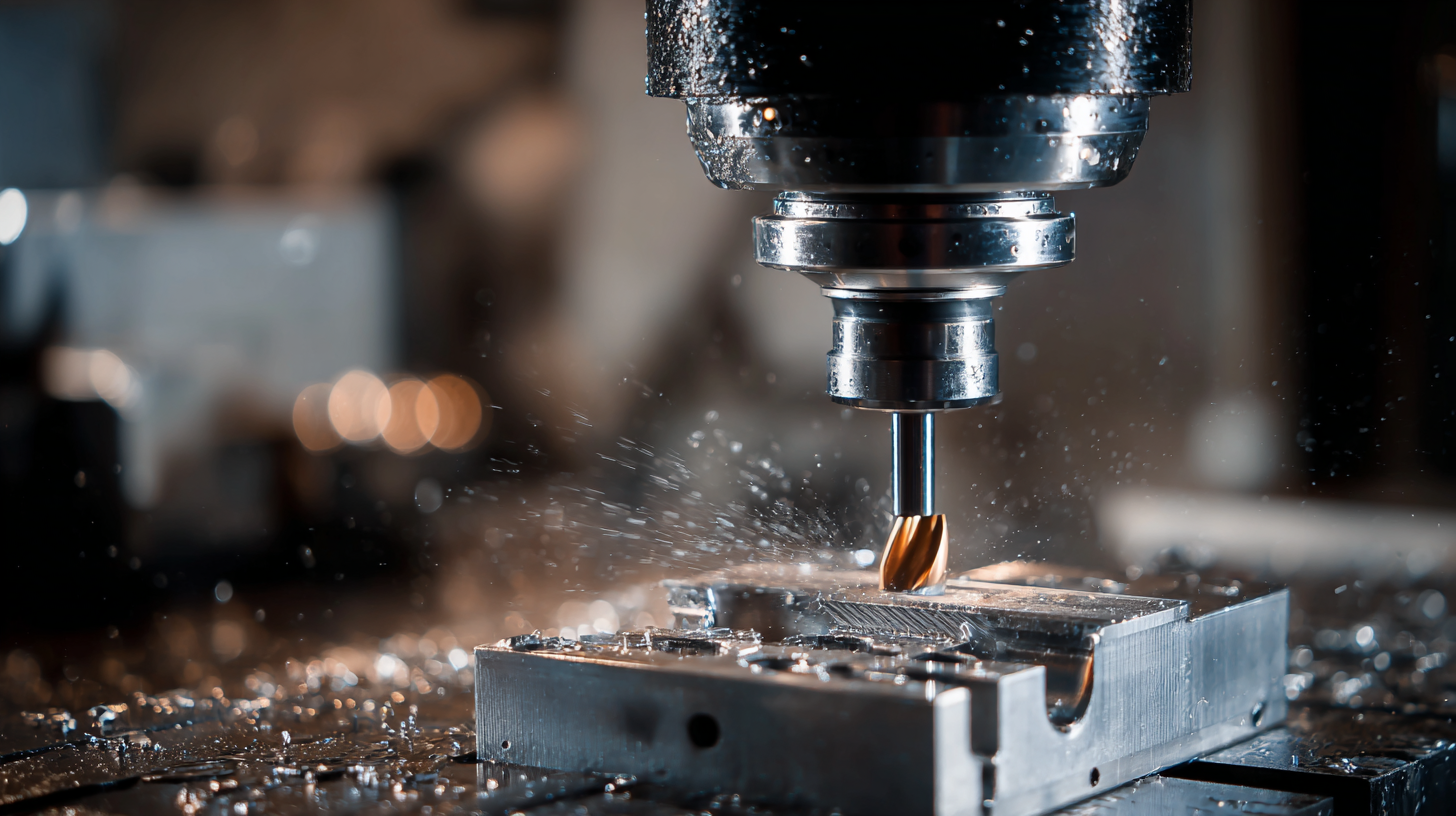
Here at Shengyi Intelligent Technology Co., Ltd., we’re all about CNC milling parts — but we also offer a bunch of other manufacturing services. Our goal is always to deliver top-quality components, perfectly tailored to what our clients need. Thanks to our expertise and all the latest machinery, we’re proud to be leading the charge in this space. As the global manufacturing scene keeps changing and evolving, really mastering CNC milling isn’t just a nice-to-have anymore — it’s pretty much essential if you want to stay competitive. So, as we dive into the top 10 tips for really getting the hang of this process, we hope these insights help manufacturers fine-tune their operations and stay ahead of the game.
Understanding CNC Milling: Key Concepts and Terminology
CNC milling is a pivotal process in precision machining, leveraging advanced technology to produce intricate components with high accuracy. Understanding the key concepts and terminology is essential for anyone looking to master this technique. Terms like "toolpath," "feed rate," and "cutting speed" form the foundation of CNC milling. A toolpath refers to the trajectory that the cutting tool follows to create a desired shape, while the feed rate determines how fast the tool moves relative to the workpiece. Cutting speed, on the other hand, is the rate at which the tool engages with the material, impacting both the quality of the cut and the tool's longevity.
**Tips**: When setting up your CNC milling machine, always verify the toolpath through simulation software to avoid potential mistakes. Additionally, pay close attention to the feed rate; adjusting it according to the material being machined can enhance both efficiency and surface finish quality.
As you delve deeper into CNC milling, familiarize yourself with the different types of milling cutters available, such as end mills and face mills. Each cutter is designed for specific tasks, and selecting the right one is crucial for achieving the desired results in your machining projects. Understanding these terms will not only improve your machining knowledge but also elevate your overall craftsmanship in the precision engineering field.
Essential CNC Milling Equipment and Their Functions
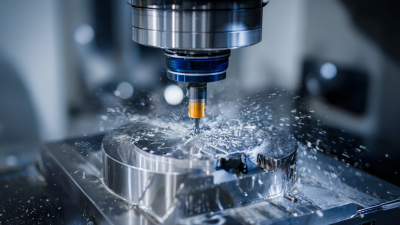
CNC milling is a pivotal process in precision machining, heavily reliant on a variety of specialized equipment to achieve exact specifications. One of the primary tools used is the CNC milling machine itself, which combines computer programming with mechanical components to execute precise cuts and shapes in various materials. These machines can range from simple 2D mills to advanced 5-axis systems, accommodating complex geometric designs and enhancing production efficiency.
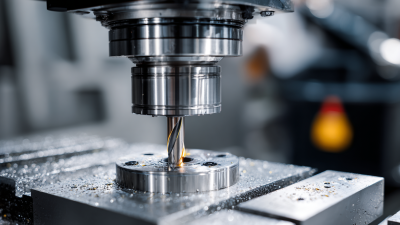
In addition to the milling machine, essential equipment includes tools like end mills, face mills, and drills. End mills are versatile cutting tools that can create detailed profiles and features by enabling lateral cutting. Face mills, on the other hand, are used for larger surface areas, making them ideal for creating flat surfaces and generating smooth finishes. Finally, high-speed spindles further improve the milling process by allowing for faster rotations, which can drastically reduce machining time and improve overall productivity. Each piece of equipment plays a critical role in ensuring that CNC milling not only meets but exceeds the stringent demands of modern precision machining.
2025 Guide: Mastering the CNC Milling Process for Precision Machining - Essential CNC Milling Equipment and Their Functions
| Equipment Name | Function | Material Compatibility | Precision Level |
| Vertical CNC Mill | Standard milling and drilling operations | Aluminum, Steel, Plastic | ±0.005 mm |
| Horizontal CNC Mill | Heavy-duty milling, high-volume production | Steel, Cast Iron | ±0.01 mm |
| CNC Router | Cutting, engraving, and shaping materials | Wood, Plastic, Composite | ±0.1 mm |
| CNC Lathe | Turning, facing, and threading operations | Metal, Plastic | ±0.01 mm |
| 5-Axis CNC Mill | Complex geometries and multi-sided machining | Aluminum, Titanium, Steel | ±0.002 mm |
Precision Standards in CNC Milling: Tolerances and Measurements
In the realm of CNC milling, precision standards play a crucial role in ensuring the quality and functionality of the final product. Tolerances and measurements dictate how closely a machined part conforms to its specifications, directly impacting performance and reliability. Understanding the various tolerance classes—such as ISO and ANSI—can help machinists select the appropriate standards for their specific projects, ensuring that the parts fit together perfectly and operate as intended.
Tip: Always verify the tolerance requirements specified in your project documentation before commencing machining. Each tolerance level offers different allowances for deviation, influencing the choice of cutting tools and machine settings.
Measurements, too, are essential in maintaining precision throughout the CNC milling process. Utilizing calipers, micrometers, and gauges ensures that parts are measured accurately at various stages of production. Regular calibration of measuring tools is essential to uphold the integrity of these measurements.
Tip: Implement a routine calibration schedule for all measuring devices. This practice not only enhances accuracy but also helps prevent costly errors that arise from incorrect measurements during production.
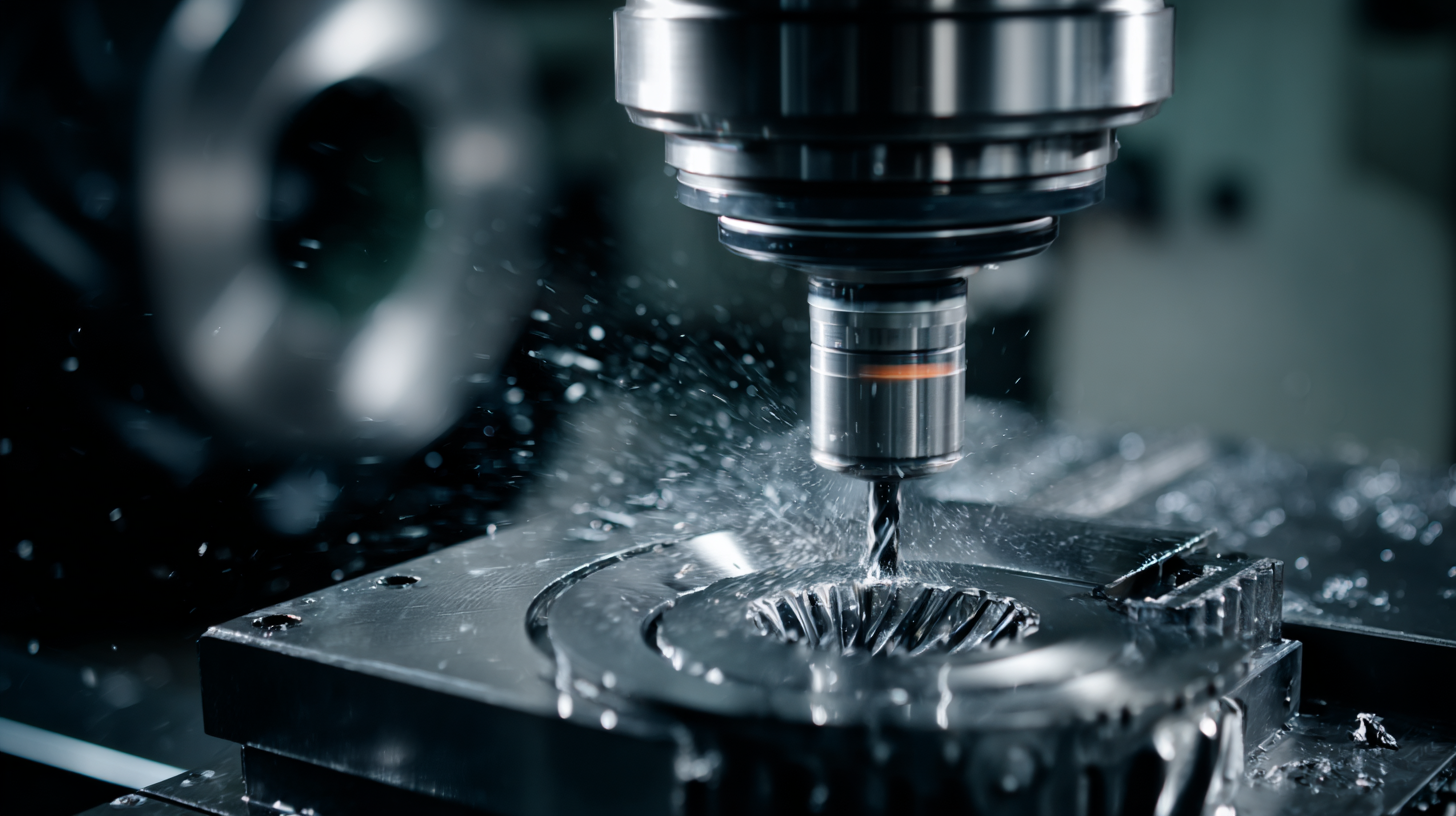
Material Selection for CNC Milling: Impact on Precision and Cost
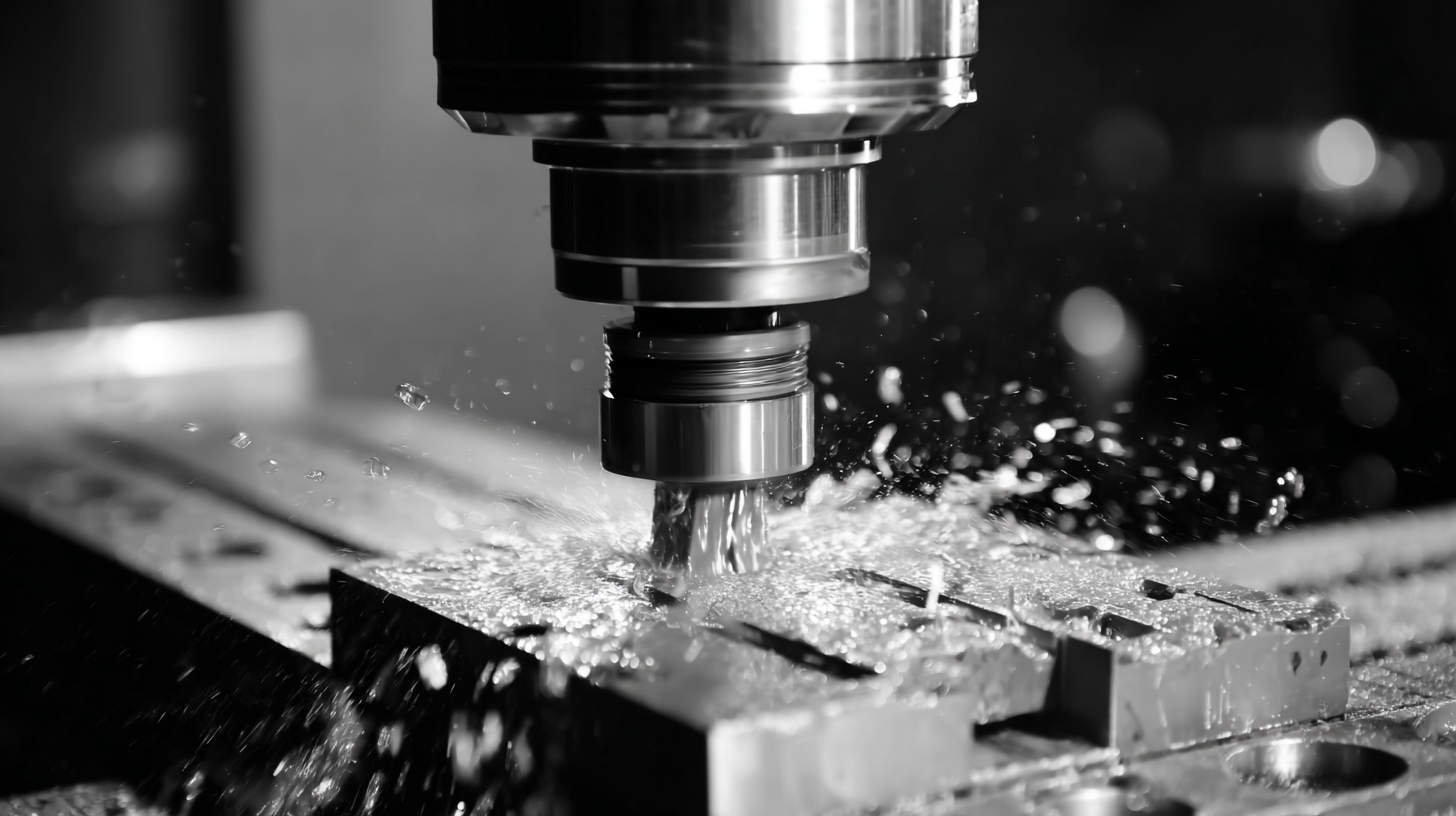 Selecting the right material for CNC milling is crucial for achieving precision in machining while managing costs effectively. The choice of material not only influences the final product's mechanical properties but also affects tool wear, production speed, and overall efficiency. At Shengyi Intelligent Technology Co., Ltd., we specialize in delivering high-quality CNC milling parts tailored to meet various industry requirements. Understanding the characteristics of materials such as aluminum, stainless steel, and engineering plastics can help manufacturers make informed choices that align with their production goals.
Tips: When selecting materials, consider the thermal and mechanical properties that are essential for your specific application. For example, aluminum is lightweight and offers excellent machinability, making it a popular choice for components requiring precision and speed. Conversely, stainless steel, while more challenging to machine, provides exceptional strength and corrosion resistance—ideal for components subjected to demanding environments.
Moreover, balancing cost with performance is essential. Consider the long-term implications of material selection; while cheaper options might save money upfront, they can lead to increased wear and tear or even failure, resulting in higher costs in the long run. At Shengyi Intelligent Technology, we focus on innovative solutions that minimize waste and maximize value, ensuring that our clients achieve both precision and affordability in their CNC milling processes.
Common CNC Milling Techniques: Strategies for Optimal Machining
CNC milling has revolutionized precision machining by enhancing efficiency and accuracy, making it indispensable across various industries. According to a 2023 report by MarketsandMarkets, the global CNC milling machine market is expected to reach USD 100 billion by 2025, reflecting the demand for sophisticated machining strategies. Mastering common CNC milling techniques is crucial for industries aiming to maintain competitiveness in this evolving landscape.
One prevalent technique is adaptive milling, which leverages real-time data to adjust cutting parameters dynamically. This method not only increases material removal rates but also significantly extends tool life, reducing costs in the long run. Additionally, multi-axis milling has gained traction, allowing for the machining of complex geometries with high precision. A study from the International Journal of Advanced Manufacturing Technology shows that companies utilizing multi-axis machines report up to a 30% increase in machining efficiency compared to traditional methods. By adopting these strategies, manufacturers can optimize their machining processes, leading to better product quality and more efficient operations.
Future Trends in CNC Milling: Automation and Industry 4.0 Integration
The integration of automation and Industry 4.0 technologies into the CNC milling process marks a transformative shift in precision machining. As industries increasingly adopt digital manufacturing technologies, productivity has seen significant enhancements across various sectors. Advances in CNC machines, including smart sensors and IoT connectivity, facilitate real-time monitoring and data analysis, enabling manufacturers to optimize their processes, reduce downtime, and improve product quality.
Moreover, the CNC controller market is projected to grow substantially, reflecting the demand for more sophisticated and automated machining solutions. By 2035, the market is expected to reach USD 12.4 billion, demonstrating a compound annual growth rate of 5.5%. As artificial intelligence and robotics carve a path into specialized sectors, they bring forth groundbreaking innovations in CNC milling. Manufacturers are poised to embrace these developments, leveraging automation to streamline operations and enhance competitiveness in an ever-evolving marketplace. The future of machining is not just about efficiency; it is about creating intelligent systems that can adapt and respond to dynamic manufacturing environments.
2025 Guide: Mastering the CNC Milling Process for Precision Machining
Exploring the Benefits and Features of CNC Precision-Machined Aluminum Throttle Bodies for Your Vehicle Upgrade
Upgrading your vehicle’s performance often involves enhancing its engine components, and one of the most impactful modifications is the installation of CNC precision-machined aluminum throttle bodies. These throttle bodies are not just about aesthetics; they offer substantial performance benefits that are supported by advanced engineering techniques. Crafted using cutting-edge CNC machining technology, these components provide strict tolerance control, with measurements down to ±0.01mm, which is crucial for optimal airflow management. This level of precision ensures that the throttle body fits perfectly within your engine system, allowing for seamless integration and improved overall efficiency.
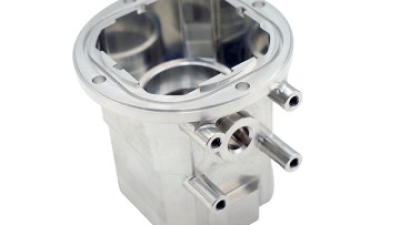
The design of CNC machined aluminum throttle bodies includes intricate internal cavities and precision-machined ports that significantly enhance airflow. This increased airflow capability translates to better throttle response and power delivery, which can make a noticeable difference during acceleration. According to a recent automotive report, vehicles equipped with high-performance throttle bodies can achieve an increase in horsepower by as much as 10-15%, enhancing not only speed but also driving experience. Furthermore, aluminum's lightweight characteristics help reduce overall vehicle mass, contributing to improved performance metrics and fuel efficiency.
Implementing CNC precision-machined aluminum throttle bodies is a strategic move for automotive enthusiasts looking to elevate their vehicle's capabilities. With proven benefits in performance and responsiveness, along with advanced manufacturing processes that guarantee exceptional quality, these throttle bodies are a compelling upgrade for anyone serious about enhancing their vehicle's capabilities.
FAQS
: Material selection is crucial for achieving precision in machining and managing costs effectively, as it influences mechanical properties, tool wear, production speed, and overall efficiency.
Aluminum is lightweight and offers excellent machinability, making it a popular choice for components requiring precision and speed.
Stainless steel offers exceptional strength and corrosion resistance, making it ideal for components subjected to demanding environments, although it can be more challenging to machine.
While cheaper materials may save money upfront, they can lead to increased wear and tear or failure, resulting in higher costs in the long run, so it is essential to consider long-term implications.
Adaptive milling is a technique that uses real-time data to adjust cutting parameters dynamically, increasing material removal rates and significantly extending tool life, which reduces costs over time.
Multi-axis milling allows for the machining of complex geometries with high precision, leading to up to a 30% increase in machining efficiency compared to traditional methods.
By mastering common CNC milling techniques, such as adaptive milling and multi-axis milling, companies can improve product quality and operational efficiency.
Manufacturers should consider the thermal and mechanical properties essential for their specific applications to ensure effective performance and long-term durability.
The global CNC milling machine market is expected to reach USD 100 billion by 2025, indicating a growing demand for sophisticated machining strategies.
The chosen material can affect the rate of tool wear, with certain materials causing more wear than others, thus influencing long-term operational costs and efficiencies.
Conclusion
The article "2025 Guide: Mastering the CNC Milling Process for Precision Machining" provides a comprehensive overview of the essential aspects of CNC milling, emphasizing key concepts and terminology crucial for understanding this sophisticated manufacturing technique. It explores the necessary equipment and their functions that ensure optimal performance, as well as the precision standards in CNC milling, focusing on tolerances and measurements that guarantee high-quality output.
Additionally, the article discusses the significance of material selection on both precision and cost-effectiveness, along with common CNC milling techniques that promote efficient machining strategies. As the industry evolves, it highlights emerging trends such as automation and the integration of Industry 4.0, which are shaping the future of the CNC milling process. Shengyi Intelligent Technology Co., Ltd. aligns with these advancements, specializing in various CNC machining components, thereby contributing to the precision manufacturing landscape.