In today’s fast-changing global market, the demand for Custom Metal Stamping Partsis really picking up. I mean, if you look at the latest industry report from Grand View Research, the worldwide metal Stamping market could hit over USD 239 billion by 2026. That’s pretty impressive and shows how many industries, like automotive and aerospace, rely heavily on precision. Custom metal stamps are pretty much the backbone—they help manufacturers create high-quality products that stand out.
That said, not everyone realizes all the little things that go into choosing the right custom metal stamp. Factors like what material you pick, the stamping tech used, and the design details matter a lot. Some companies, like ThomasNet, point out that sticking to outdated methods can lead to inefficiencies and can end up costing more. So, it’s really important to avoid common mistakes in design and manufacturing if you want the best results.
Plus, a lot of manufacturers are also dealing with the challenge of scaling up their operations smoothly. A lot of times, their production capabilities don’t quite match what customers are asking for, which can hurt product quality and customer satisfaction. As you go through this guide, keep these points in mind—making informed choices in the world of custom metal stamping is all about understanding these nuances and adjusting accordingly.

Overview of Custom Metal Stamps: Definition and Applications
Custom metal stamps are essential tools in various industries. They allow users to imprint designs, logos, or text onto metal surfaces. This process is vital for personalization and branding. Custom stamps enhance product appeal and provide valuable information. Their versatility makes them suitable for crafts, manufacturing, and jewelry.
In crafting, artisans use metal stamps to create unique pieces. This adds a personal touch to their work. In manufacturing, companies use stamps for part identification and traceability. However, many overlook the importance of choosing the right design and size. A stamp that is too small may lead to unclear impressions. On the other hand, a large stamp might not fit the designated space.
Custom metal stamps can also serve as marketing tools. Stamps with company logos can promote brand recognition. However, improper usage may lead to inconsistent results. Regular maintenance is necessary to ensure durability and quality. Without proper care, stamps can become ineffective over time. Always consider the material and design before committing.
2026 Best Custom Metal Stamp Overview
Types of Custom Metal Stamps: Insights on Materials and Techniques
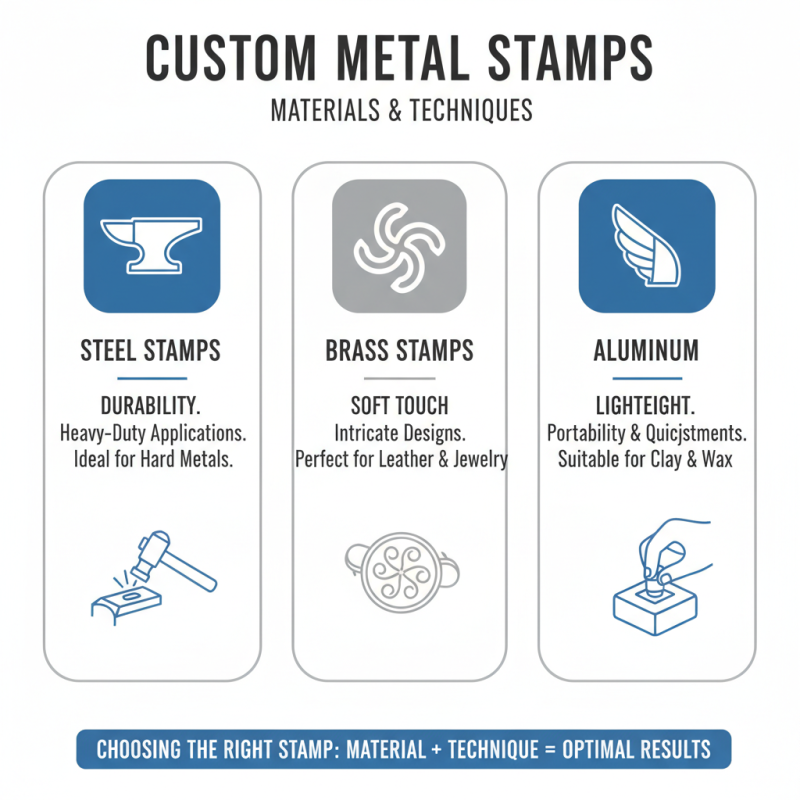
When choosing a custom metal stamp, understanding the materials and techniques is crucial. Most commonly used materials include steel, brass, and aluminum. Steel is favored for its durability, making it ideal for heavy-duty applications. Brass offers a softer touch, perfect for intricate designs. Aluminum, being lightweight, caters to industries needing portability and quick adjustments.
Techniques play a significant role in the Stamping Process. Die stamping involves using a custom die to create shapes. This method is efficient for large volumes and provides consistency in design. Laser engraving, on the other hand, allows for precise detailing and is becoming increasingly popular. Reports suggest that a significant percentage of manufacturers favor laser techniques forCustom Metal Cabinet projects due to their ability to adapt designs quickly.
However, challenges persist. Variations in material quality can lead to discrepancies in the final product. Additionally, the cost of precision equipment can be a deterrent for smaller businesses. Factors such as these require careful consideration and planning. Investing in high-quality materials and choosing the right technique can yield impressive results while mitigating risks.
Key Features to Consider When Choosing a Custom Metal Stamp
When selecting a custom metal stamp, several features should be prioritized. The size and shape of the stamp matter a lot. A bigger area allows for more intricate designs, but can be harder to handle. Conversely, smaller stamps are easier to maneuver but may limit detail. Consider the ease of handling when making a choice.
Material is another crucial factor. Stainless steel and brass are popular due to their durability and resistance to corrosion. However, some users may find softer metals prone to wear and tear. Evaluate your project needs and decide which material aligns best with longevity. Custom Metal Signage often requires specific finishes, like brushed or polished. These options can greatly influence the final appearance.
The design process itself should not be overlooked. Clarity in the design helps avoid errors during production. Poorly designed stamps can lead to misalignment or illegibility. Collaborating with experienced professionals can enhance the design process, leading to better outcomes. Reflecting on past projects can also provide insight into what works best. A thoughtful approach can yield a superior custom metal stamp for diverse applications.
Market Trends: Global Demand for Custom Metal Stamps in 2026
In 2026, the global market for custom metal stamps is expected to see significant shifts. Manufacturers are adapting to changes in consumer preferences. The rise of e-commerce is a key driver, allowing buyers easy access to diverse designs and materials. Increased personalization is crucial. Buyers want unique stamps that reflect their brand identity.
Sustainability is a growing concern among consumers globally. There is a demand for materials that are eco-friendly. Producers must innovate while reducing their environmental impact. Each step in the process, from sourcing to production, plays a role. This awareness is essential for maintaining credibility in the market.
However, challenges remain. Not all buyers prioritize sustainability yet. Some still value low cost over eco-friendliness. This could lead to difficult decisions for manufacturers. They must balance quality with pricing while meeting evolving expectations. As the market evolves, staying informed is vital for success in 2026.
Top Manufacturers and Suppliers of Custom Metal Stamps Worldwide
The custom metal stamp industry is thriving globally. A recent market analysis indicated that demand for customized metal stamps has surged, primarily driven by the growing manufacturing sector. In 2022, the market was valued at approximately $750 million, with a projected annual growth rate of 5% through 2026. Manufacturers are responding to unique customer needs, offering a variety of options in design and material.
Top suppliers acknowledge the importance of innovation. Advanced technologies like laser engraving and CNC machining are reshaping the production process. These improvements enable manufacturers to create highly intricate designs with precision. According to a report by the International Metal Stamping Association, 70% of buyers prefer finding suppliers who can customize based on specific requirements. This trend reflects a shift towards personalization in manufacturing.
However, challenges still exist. Sourcing quality materials can delay production timelines. Additionally, fluctuating metal prices impact cost efficiency. Small manufacturers often struggle with high overhead costs. It's crucial in this landscape for buyers to review their options carefully. Those interested in specific projects should not hesitate—Get a quote for a custom metal enclosure and explore what fits best for your production needs.
Comparative Analysis: Cost-effectiveness of Custom Metal Stamps
Custom metal stamps are essential for various industries. Their cost-effectiveness must be thoroughly analyzed for global buyers. While the initial investment might seem high, the long-term savings can be significant. Quality metal stamps can last years, reducing the need for frequent replacements. This durability contributes to overall cost savings and efficiency.
Many factors influence the cost-effectiveness of custom metal stamps. Materials, design complexity, and production methods play crucial roles. It's vital to choose high-quality materials to ensure durability. Poor quality can lead to premature wear and additional costs. Moreover, intricate designs may increase initial costs but can enhance brand value over time.
Buyers should consider their specific needs. For some businesses, the cheapest option may lead to higher expenses down the line. Balancing upfront costs with long-term benefits is essential. Reflecting on these factors can guide better purchasing decisions, ensuring that investments align with business goals.
Future Innovations in Custom Metal Stamp Technology and Materials
The future of custom metal stamp technology is bright and evolving. Innovations are emerging that enhance precision and efficiency. New materials offer better durability and versatility. These advancements are driven by the demand for high-quality stamps. Users want designs that withstand wear and tear over time.
Recent developments include laser etching techniques that improve detail. This method allows for intricate designs not possible with traditional stamping. As industries seek to personalize products, creating unique impressions becomes crucial. Innovations in metallurgy also play a vital role. They enable the production of lighter yet stronger stamps.
However, challenges remain. Not all materials perform equally under different conditions. Testing is critical to ensure reliability. Some users still face issues with wear rates and consistency. The transition to newer technologies may require training and adjustments. This period of adaptation could lead to unexpected difficulties. Yet, these reflections highlight the ongoing journey in the custom metal stamp field.
Optimizing Manufacturing with CNC Precision-Machined Metal Components: Key Benefits and Applications
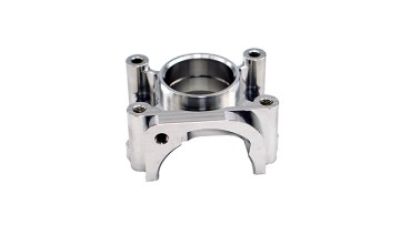
Advancements in CNC machining technology have revolutionized the manufacturing sector, paving the way for the production of high-precision metal components that are essential for various industrial applications. By employing state-of-the-art machining techniques, manufacturers can create intricate components that meet stringent specifications. The remarkable precision achieved, with tolerances down to ±0.01mm, ensures that every component not only meets but exceeds industry requirements, facilitating seamless integration into complex assemblies.
The key benefits of utilizing CNC precision-machined metal components are numerous. These components are designed to withstand the rigors of demanding environments, thanks to their robust construction and impeccable finish. The meticulous attention to detail in their multi-feature design allows for versatile applications, from aerospace to automotive and beyond. In an era where efficiency and reliability are paramount, such components play an integral role in streamlining manufacturing processes, reducing waste, and enhancing overall product performance. As industries continue to evolve, the significance of CNC precision-machined components cannot be overstated.
FAQS
: Common materials include steel, brass, and aluminum. Steel is durable, while brass suits intricate designs. Aluminum is lightweight and portable.
Die stamping is efficient for large volumes. It provides consistent designs and is widely used in manufacturing.
Laser engraving offers precise detailing. Many manufacturers prefer it for its adaptability and ability to handle intricate designs quickly.
Size and shape are vital. A larger stamp can allow for detail, but it's harder to handle. Smaller stamps are easier, yet may limit design intricacy.
Durable materials like stainless steel resist corrosion. Softer metals may wear out faster. Evaluate your project's long-term needs carefully.
A clear design helps avoid production errors. Poor designs can lead to misalignment or illegibility. Collaborating with experts enhances outcomes significantly.
Innovations include improved laser etching and new materials. These advancements enable more durable and versatile stamps. Users demand better quality stamps.
Not all materials perform well in different conditions. Consistency and wear rates are concerns. Training for new technologies is necessary and can be challenging.
Conclusion
The article titled "2026 Best Custom Metal Stamp for Global Buyers Guide" provides a comprehensive overview of custom metal stamps, exploring their definition, applications, and significance in various industries. It outlines the different types of custom metal stamps, emphasizing the materials and techniques used in their production. Key features that buyers should consider when selecting a custom metal stamp are highlighted, along with insights into market trends and the anticipated global demand in 2026.
Additionally, the article presents a comparative analysis of the cost-effectiveness of custom metal stamps, ensuring that buyers can make informed decisions. The discussion extends to future innovations in stamp technology and materials, pointing to advancements that could influence the market. Overall, this guide serves as a crucial resource for anyone looking to understand the landscape of custom metal stamps and make strategic purchasing decisions.