Getting the precision and quality right in metal stampings is pretty crucial across so many industries — think automotive, electronics, you name it. Even a tiny hiccup can cause big problems down the line. I saw a report from Market Research Future that there's a huge market for metal stamping, expected to hit around USD 285 billion by 2025, growing at about 4.5% annually. As one of the top players out there, Shengyi Intelligent Technology Co., Ltd. really focuses on delivering high-quality CNC turning and milling parts, along with their metal stampings. Their dedication to precision and using cutting-edge tech ensures they meet the strictest industry standards. By leveraging the latest machinery and keeping a close eye on quality, their stamped parts are built to boost the performance and dependability of so many different applications. In this article, I’ll walk you through some best practices for hitting new levels of excellence in metal stamping — helping businesses streamline their production and deliver products their customers can really trust.
Understanding the Fundamentals of Metal Stamping Processes
Getting a good grip on the basics of metal stamping is pretty important if you want your parts to turn out accurate and high quality. Basically, metal stamping is this process where we use dies and presses to shape flat sheets of metal into the forms we need. It's not just about precision—this method can seriously boost how quickly you can produce parts, which is a real plus. I mean, according to IBISWorld, the metal stamping industry’s expected to grow around 2.5% each year. That just goes to show, knowing these core techniques is key to staying ahead of the game.
Here at Shengyi Intelligent Technology Co., Ltd., we really know our stuff when it comes to metal stamping parts. But we don’t stop there—we also bring in our know-how from CNC turning and milling to make sure we’re delivering top-notch products. We use the latest tech and fine-tune our processes so our clients get parts that not only meet industry standards but also stand out for quality. A report from Grand View Research points out that demand for metal stamping products could hit around USD 220 billion by 2025—that’s a huge market, and it just highlights why it’s so important for us to keep improving our techniques and stay innovative. All in all, it's about making sure we provide the best possible products and keep our customers happy.”
How to Achieve Precision and Quality in Metal Stampings - Understanding the Fundamentals of Metal Stamping Processes
| Stamping Process | Material Used | Thickness (mm) | Tolerance (mm) | Production Rate (units/hour) |
| Progressive Stamping | Stainless Steel | 1.2 | ±0.05 | 1000 |
| Deep Drawing | Aluminum | 2.0 | ±0.03 | 800 |
| Blanking | Cold Rolled Steel | 0.8 | ±0.02 | 1200 |
| Piercing | Copper | 1.0 | ±0.04 | 900 |
| Forming | Mild Steel | 1.5 | ±0.05 | 950 |
Selecting the Right Materials for Optimal Precision in Stampings
Choosing the right materials really matters if you want your metal stampings to come out with top-notch precision. The material you pick directly affects the quality and accuracy of the final piece. For things that need intricate designs or tight tolerances, folks often go for high-quality metals like stainless steel, aluminum, or specialized alloys. These materials aren’t just strong and durable—they also tend to be easier to work with, which means smoother, more precise stamping. It’s kind of like using the right tools for a job — it just makes everything easier.
But, it’s not just about the kind of metal. Things like thickness, grade, and surface finish are also super important. For example, thinner sheets might be great if you’re making something lightweight, but if you pick too thin or the wrong grade, it might end up being weaker or less accurate. Picking the right grade helps ensure the material can handle what you’re throwing at it without losing precision. Plus, giving the surface a bit of pre-treatment — like a coat or a good clean — can really boost how well finishes stick and overall quality. So yeah, it’s a bit of a balancing act, but making the right choices here makes a huge difference in achieving high-quality, precise stamped parts.
Implementing Advanced Technology for Enhanced Quality Control
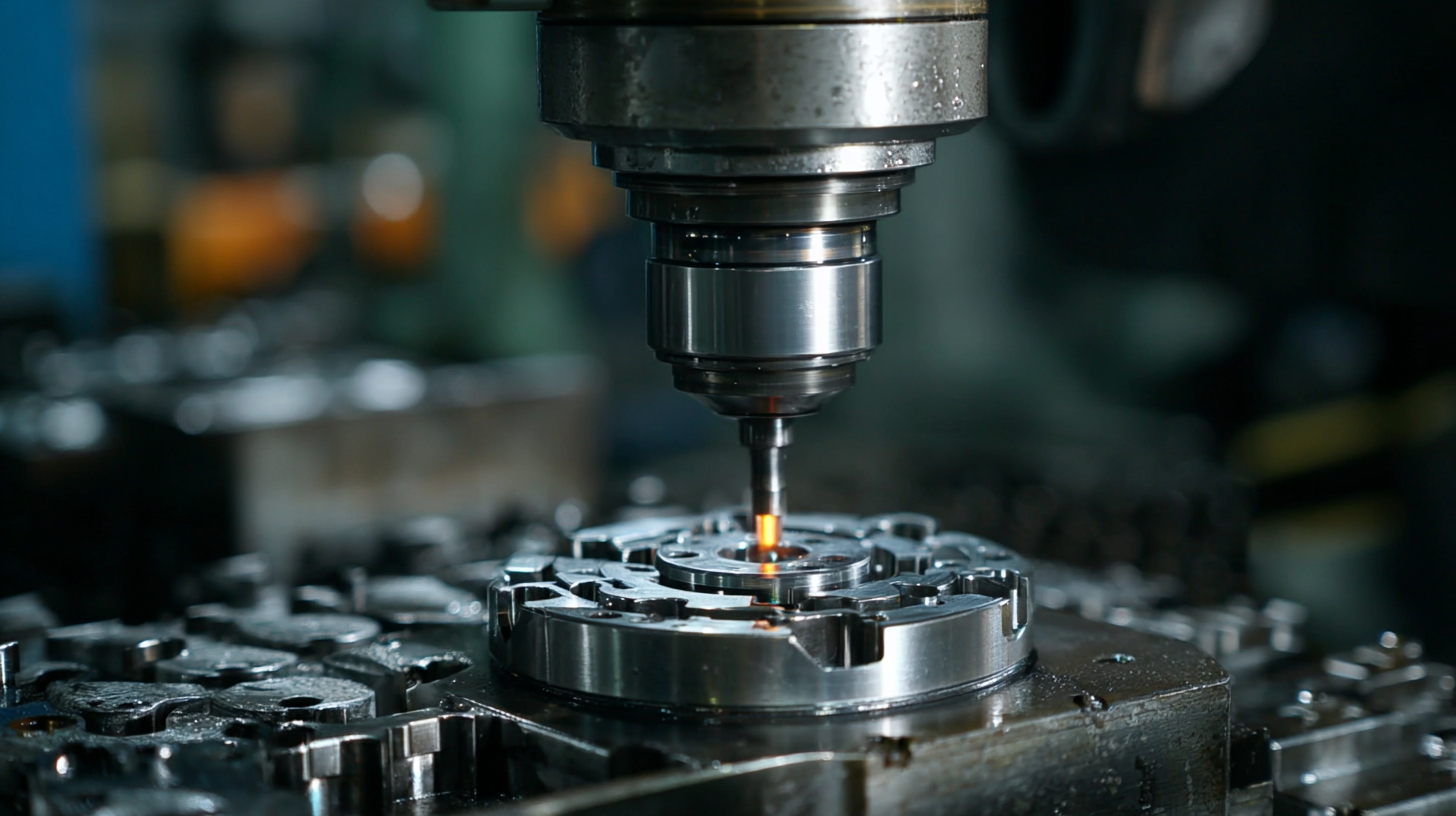
Using cutting-edge technology in metal stamping really makes a big difference when it comes to quality control. It helps ensure that the products you end up with meet all those tough specs and performance standards. For instance, automated systems with sensors and real-time monitoring are pretty much always on, watching the process as it happens. This means manufacturers can spot any issues or defects instantly, which cuts down on waste and means there's less manual checking needed — saving time and hassle.
Plus, mixing in AI and machine learning takes things to the next level. These smart systems can analyze the data collected during production and predict problems before they even happen. They can suggest tweaks to the stamping process on the fly, helping to keep everything precise and ensuring the metal parts stay strong and reliable. Ultimately, this makes the whole production smoother, consistently generates high-quality stamped parts, makes customers happier, and even cuts down on operational costs. It’s like having a super-smart assistant keeping everything in check — pretty awesome, right?
Quality and Precision in Metal Stampings
This chart displays the quality control metrics of metal stampings over a 12-month period, focusing on defect rates and precision levels achieved through the implementation of advanced technology.
Techniques for Achieving Consistency in Metal Stamping Outputs
Getting consistent results in metal stamping is pretty important if you wanna keep your quality and precision top-notch. One trick that really helps is carefully calibrating your stamping machines. Regular check-ups and adjustments ensure they stay within the right tolerances, which means you get less variation from one run to the next. And, if you're into it, adding some fancy tech like sensors and automated monitoring systems can make a big difference—allowing operators to catch and fix issues on the spot before they turn into bigger problems. It’s all about staying ahead of the game!
Another key thing is setting up clear, standardized procedures and making sure everyone on the team is trained well. Having a step-by-step guide for each part of the process means fewer mistakes and more consistency across the board. Plus, investing in good training that stresses the importance of quality and specific stamping techniques really motivates folks to pay close attention to the details. When everyone understands their role and why it matters, you build a culture that’s all about doing things right the first time—that’s how you really get steady, reliable results.
Best Practices for Maintenance and Calibration of Stamping Equipment
Keeping metal stampings precise and top-quality really depends a lot on regularly maintaining and calibrating your stamping equipment. Having a solid maintenance plan in place is super important — it helps your machines run smoothly and keeps the parts coming out consistently high quality. This means doing routine checks, lubrication, and swapping out worn parts before they cause issues. Plus, setting up a predictive maintenance system can be a game-changer, because it catches potential problems early on, so you're not dealing with unexpected downtime.
Calibration is just as key when it comes to getting the best from your stamping presses. Proper calibration makes sure everything’s operating within the right tolerances — which is crucial for the quality of your stamped parts. It’s a good idea to regularly verify things like die alignment, pressure settings, and stroke length. Sticking to the manufacturer’s recommendations and using the right measuring tools go a long way in ensuring consistent results over time. Putting effort into good maintenance and calibration practices not only boosts your production efficiency but also raises the bar on the quality of your final products.
Evaluating Supplier Capabilities for Superior Metal Stamping Quality
When you're checking out a supplier's capabilities for top-notch metal stamping, it’s important to look at a bunch of factors that really affect how precise and reliable the manufacturing process will be. A recent report from the Precision Metalforming Association (PMA) mentioned that about 70% of companies see supplier skills as a key part of their success. Things like how well they control their processes, their tech upgrades, and the quality of the materials they use can really make or break the final product’s accuracy.
But it’s not just about the technical stuff—you should also get a sense of the supplier’s reputation in the industry. A survey by the Fabricators and Manufacturers Association found that companies with solid certifications like ISO 9001 are about 30% more likely to deliver products that match customer specs. So, choosing a supplier that not only ticks all the regulatory boxes but also has a track record of steady quality is super important. Plus, getting a feel for what kind of production capabilities they have and whether they’re investing in the latest machinery can make a big difference in ensuring the precision and overall quality of your metal stamping projects.
Optimizing Manufacturing Efficiency with CNC Machined Stepped Metal Components
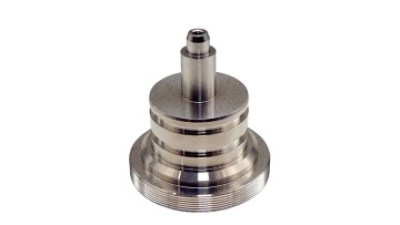
In the realm of manufacturing, optimizing efficiency is paramount, particularly when it comes to CNC machined components. The use of precision-turned, multi-stepped metal components exemplifies the advanced capabilities of modern machining processes. These components are designed with a hierarchical cylindrical structure that not only enhances mechanical strength but also allows for more precise assembly. The threaded base provides a solid foundation for secure connections, meeting the rigorous requirements of specialized equipment where reliability is crucial.
The top section of these metal components, with its meticulously machined small diameter, highlights the attention to detail required in today’s manufacturing landscape. By employing advanced turning processes, manufacturers can achieve tight tolerances that are essential for functionality in demanding applications. This level of precision ensures that each component seamlessly integrates into complex assemblies, reducing the need for additional adjustments or reworks, thus streamlining the production process and ultimately boosting overall efficiency. As industries continue to push the envelope of performance, the role of optimized CNC machining becomes increasingly significant in achieving operational excellence.
FAQS
: Metal stamping is a manufacturing process that uses dies and presses to transform flat metal sheets into desired shapes, ensuring high accuracy and increasing production efficiency.
Regular maintenance is crucial for ensuring that stamping machinery operates efficiently and consistently produces high-quality parts, minimizing the risk of defects.
Precision calibration ensures that stamping machines operate within specified tolerances, which is vital for maintaining the quality of stamped products over time.
Key factors include process control, technological advancements, material quality, and the supplier's reputation, including certifications such as ISO 9001.
The metal stamping industry is projected to grow at an annual rate of 2.5%, indicating its importance for economic competitiveness and the demand for quality metal components.
Predictive maintenance can identify potential equipment issues before they escalate, thereby reducing downtime and maintaining production efficiency.
Technological advancements are crucial for enhancing product quality and efficiency in metal stamping processes, allowing companies to meet stringent industry standards.
Key performance indicators (KPIs) like process control and material quality significantly impact the accuracy and quality of the final stamped products.
Suppliers with strong certifications, such as ISO 9001, are more likely to deliver products that meet customer specifications, enhancing overall quality assurance.
The demand for metal stamping products is anticipated to reach USD 220 billion by 2025, underscoring the importance of efficient and precise stamping techniques.
Conclusion
So, I came across this article called "How to Achieve Precision and Quality in Metal Stampings," and honestly, it’s pretty packed with tips for making the production process better in the metal stamping world. It kicks off by breaking down the basics—like why choosing the right materials really matters if you want your final products to be precise and top-notch. They also talk a lot about using modern tech, which is great for keeping quality control tight and ensuring everything stays consistent from start to finish.
Plus, the article dives into some good advice on how to properly maintain and calibrate your stamping equipment—stuff that’s often overlooked but totally crucial for getting the best results. And they emphasize checking out your suppliers too, making sure they can deliver high-quality metal stampings. Anyway, since Shengyi Intelligent Technology Co., Ltd. is a big player in CNC machining and metal stamping parts, they really get that sticking to these strategies is key for producing top-quality products that meet clients’ needs without a hitch.