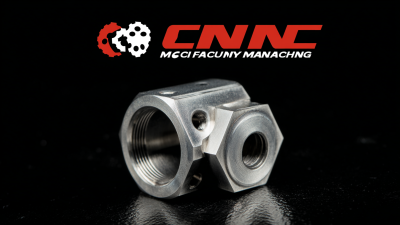
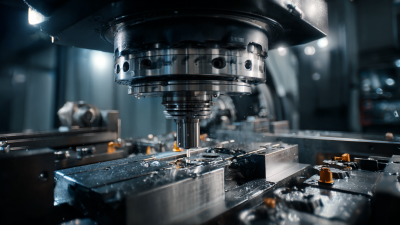
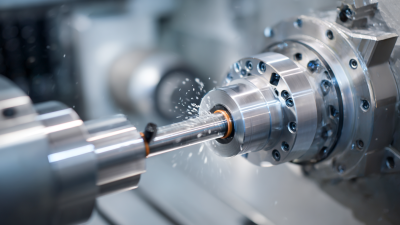
You know, in the fast-changing world of today’s manufacturing, staying efficient and precise is more important than ever. That’s where 'Parts Cnc Machining' really comes in — it’s become a total game-changer. It helps manufacturers speed up their production while still keeping the quality top-notch. At Shengyi Intelligent Technology Co., Ltd., we’re proud to be at the forefront of this tech. We focus on Cnc Turning parts, CNC milling parts, metal stamping parts, springs, and wire molding products. Our dedication to R&D, combined with our hands-on experience in production and sales, means we’re perfectly positioned to make the most of what Parts CNC Machining can offer. This approach isn’t just about cutting down lead times and reducing waste — it actually boosts overall productivity too. In this blog, I’ll be digging into all the benefits of Parts CNC Machining and showing how it can help manufacturers stay competitive and efficient in today’s hustle and bustle of the market.
The Rise of CNC Machining in Modern Manufacturing
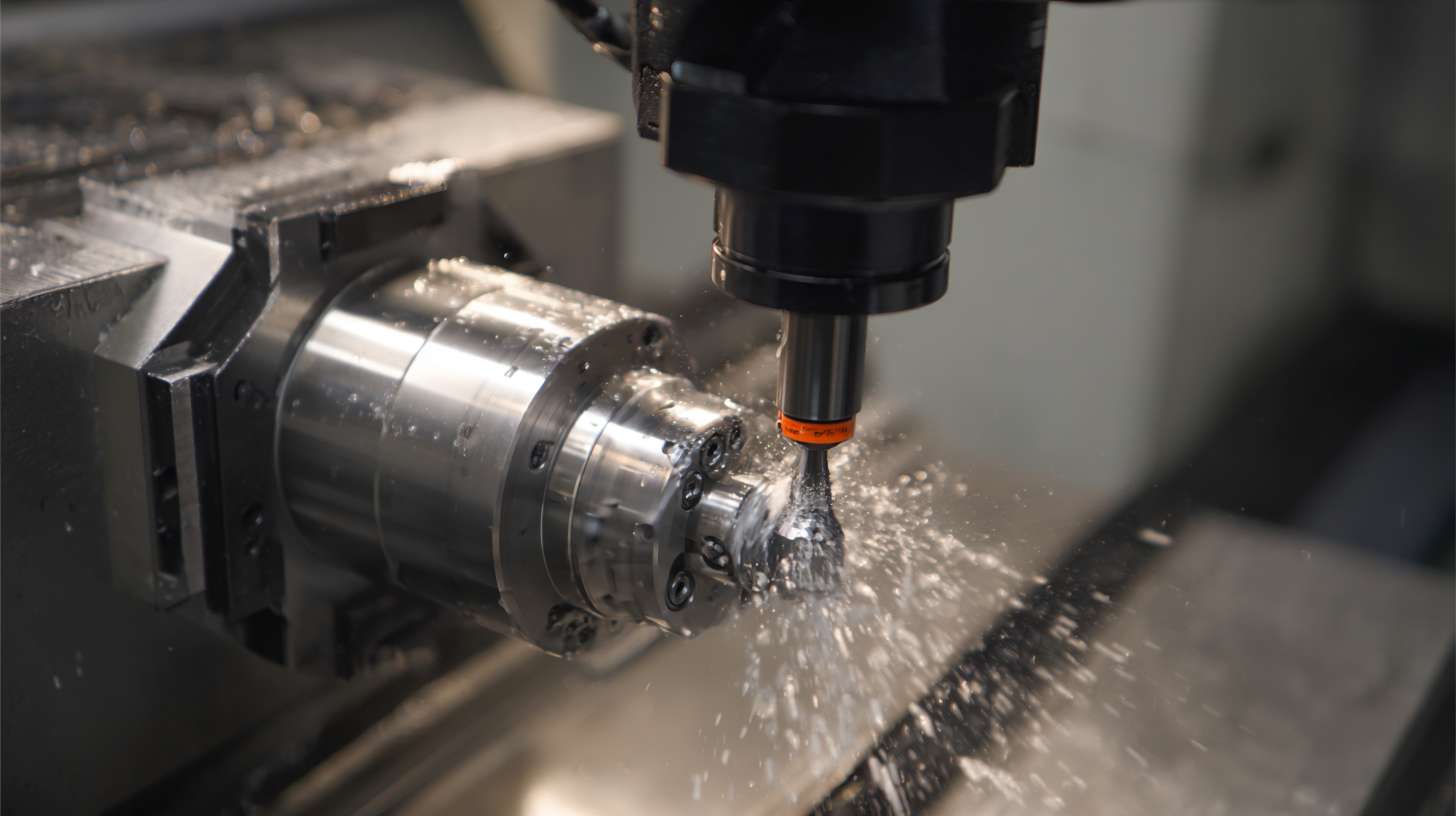
You know, CNC machining has really become a major backbone of today’s manufacturing world. Its rise is pretty much driven by the growing need for precision and efficiency. I came across a report from Markets and Markets that says the global market for CNC machines is expected to hit around $117 billion by 2026, growing at roughly 5.2% annually since 2021. That’s a huge deal, and it just shows how crucial CNC machining is across industries like auto and aerospace—where every tiny detail really matters. More and more companies are turning to CNC to make high-quality parts, all while cutting down on waste and speeding up production times.
At Shengyi Intelligent Technology Co., Ltd., we really leverage CNC technology to produce top-notch turning and milling parts, as well as metal stamping and wire molding products. We’re big on research and staying ahead of the curve with new innovations, so we can meet whatever our clients need as things evolve. Plus, with automation becoming more the norm, creating complex designs with tricky geometries is easier than ever. This not only streamlines production but also keeps costs in check, making CNC machining an absolute must-have for anyone serious about running a tight, modern manufacturing operation.
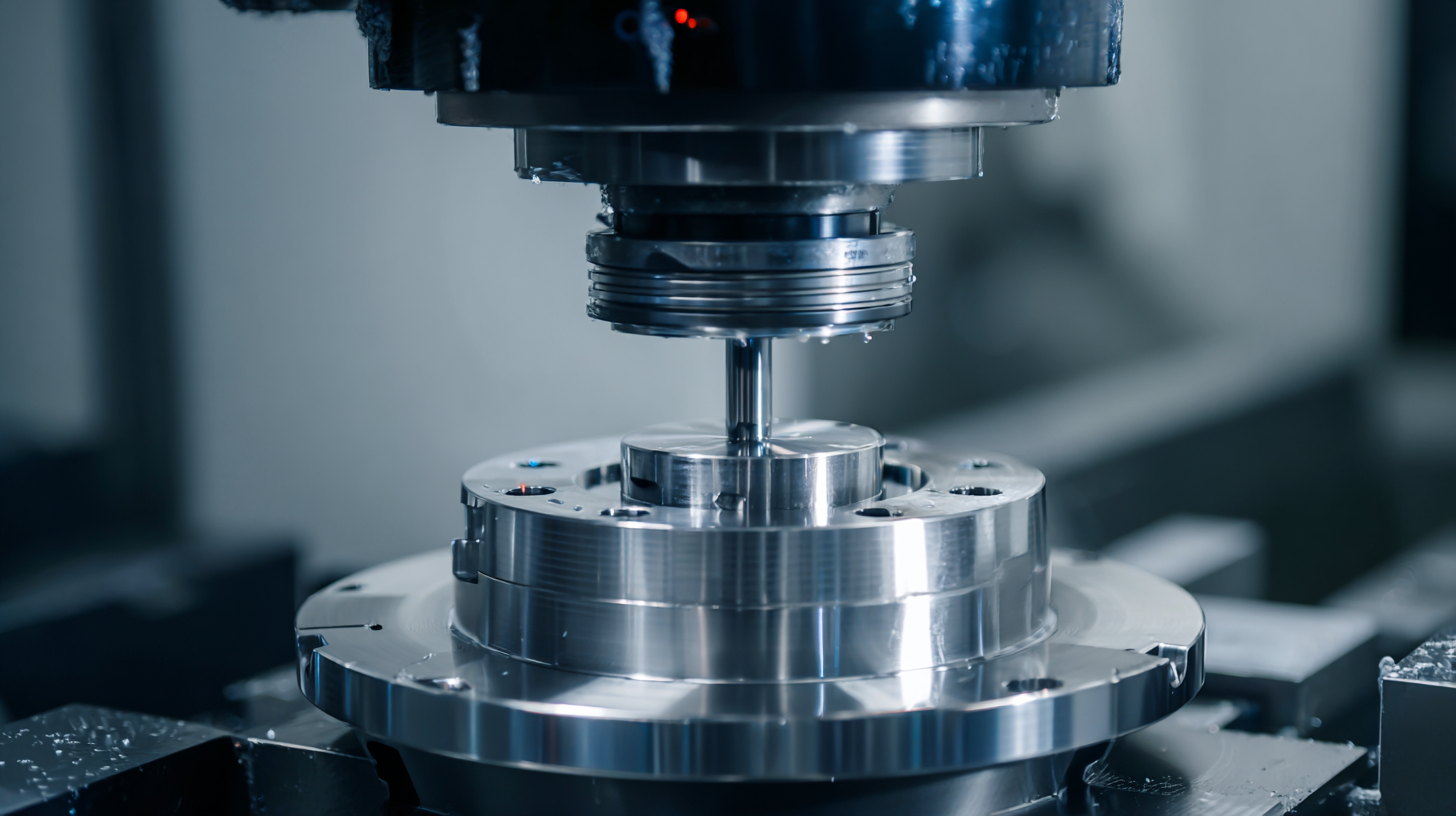
Comparing Traditional Manufacturing Methods to CNC Machining
When it comes to manufacturing, folks have traditionally relied on methods like manual machining and casting—they've been the go-to options for ages. That said, these techniques often come with their own set of downsides: lots of labor costs, long hours, and a pretty good chance of making human mistakes here and there. Take manual machining, for example—skilled operators need to keep a close eye on the machines, constantly tweaking things, which can lead to inconsistent results and slower production. Plus, setting everything up, especially for more complicated parts, can take ages, and that really slows down productivity.
On the flip side, CNC (Computer Numerical Control) machining has really changed the game. These machines are automated and can run nonstop, which means parts get made much faster. They’re programmed to be super precise and keep repeating the same high-quality output, so errors are minimized. What's more, CNC machines make it a lot easier to create tricky designs or work with tough materials that would be a real pain with traditional methods. All in all, switching to CNC means faster workflows, meeting tight deadlines more easily, and being quick to respond to market changes. Basically, it gives companies a serious edge in today's lightning-fast industrial world.
Unlocking Efficiency: The Advantages of Parts CNC Machining for Modern Manufacturing
| Aspect | CNC Machining | Traditional Manufacturing |
| Precision | High precision, ±0.01 mm | Lower precision, ±0.1 mm |
| Production Speed | Faster, reduced cycle times | Slower, significant setup time |
| Material Versatility | Can work with various materials (metals, plastics, composites) | Limited to specific materials |
| Waste Reduction | Minimal waste (efficient material removal) | Higher waste due to manual cutting |
| Labor Costs | Higher initial investment, lower ongoing labor | Lower initial costs, higher ongoing labor |
| Flexibility | Highly flexible for design changes | Less flexible, requires new tooling |
Key Advantages of CNC Machining for Efficiency and Precision
You know, CNC machining has really become a game-changer in today's manufacturing world. It’s not just about efficiency anymore — it also brings a level of precision that’s pretty hard to beat. And chances are, you’ve noticed how the market’s booming too—projected to grow about 5.7% from $14.35 billion in 2025 all the way up to around $21.69 billion by 2033. That kind of growth really shows how digital manufacturing tech is taking center stage, helping industries crank out more products faster and better. Just recently, there’ve been some exciting advances in CNC thread grinding machines. They’re now hitting precision levels like P1=C0, which means companies can do batch runs really quickly — for example, those AAA-quality knives are being ground in just 32 minutes! It’s pretty remarkable because it shows a big shift toward smarter, more accurate, and more cost-effective production methods.
At Shengyi Intelligent Technology Co., Ltd., we’re all about tailoring CNC turning and milling parts to fit precisely what our clients need. We get how important it is these days to stick to high standards while also thinking green. Using durable, high-performance CNC machines isn’t just a trend — it’s a smart move for keeping operations sustainable and competitive. And let’s not forget, automation is making things even smoother, helping manufacturers produce those ultra-precise parts needed in this fast-moving market. Honestly, adopting CNC machining isn’t just a good idea anymore — it’s essential if you want to stay ahead and keep innovating in this space.
Exploring Alternatives to CNC Machining in Manufacturing
As manufacturing continues to evolve these days, it’s pretty important for businesses to look into alternatives to CNC machining if they want to stay efficient and cut costs. Sure, CNC machining still holds the top spot because of its precision and automation, but other methods like additive manufacturing and even traditional machining are starting to catch on more and more. I read in a report from Wohlers Associates that the additive manufacturing industry is projected to hit around $35.6 billion by 2024 — that’s massive! What’s cool about it is that it allows manufacturers to create complex shapes and cut down on waste by building things layer by layer.
On top of that, newer traditional machining techniques, like multi-spindle and rotary transfer machining, are really upping the game in terms of productivity. A 2022 report on Precision Machining Tech pointed out that these methods can boost production speeds by up to 30%, especially when producing large quantities. By mixing things up and adding different manufacturing options, companies can not only streamline their operations but also stay flexible enough to adapt quickly to market changes—all while still keeping quality high. It’s pretty exciting to see how these advancements are shaping the future of manufacturing!
Leveraging CNC Technology for Cost Reduction and Time Savings
CNC machining has really changed the game for manufacturers. It’s made production way more efficient and actually helps cut down costs. If you look at industry stats, the global market for lathe machines was around $25 billion in 2018 and is expected to hit over $57 billion by 2032. That’s a pretty solid growth rate of about 5.6% annually. Most of this boom is thanks to CNC tech, which gives companies incredible precision and consistency when making parts.
One of the biggest perks of CNC machining? It’s how much it cuts down production time while still keeping the quality top-notch. Automating those tricky, detailed processes means factories can crank out more products faster—without sacrificing accuracy. That’s a huge deal because it helps businesses respond quicker to what their customers want and keeps things moving smoothly. Plus, because CNC machines are so precise, there’s way less waste of materials, which means costs go down even more. No wonder so many companies are jumping on the CNC bandwagon — it’s becoming pretty much essential if you want to stay competitive in today’s ever-changing manufacturing world.
Unlocking Efficiency: The Advantages of Parts CNC Machining for Modern Manufacturing
The Future of Manufacturing: Integrating CNC Machining with Smart Tech
As we step further into this age of smart tech, the way CNC machining is melding with advanced digital solutions is really changing how modern manufacturing works. It’s not just about making things faster—it’s about being smarter about the whole process. These clever systems let CNC machines talk to each other in real time, so manufacturers can keep an eye on things, tweak settings whenever needed, and even predict when maintenance might be coming up. That means less downtime, more efficiency, and being better equipped to handle the fast-paced demands of today’s market.
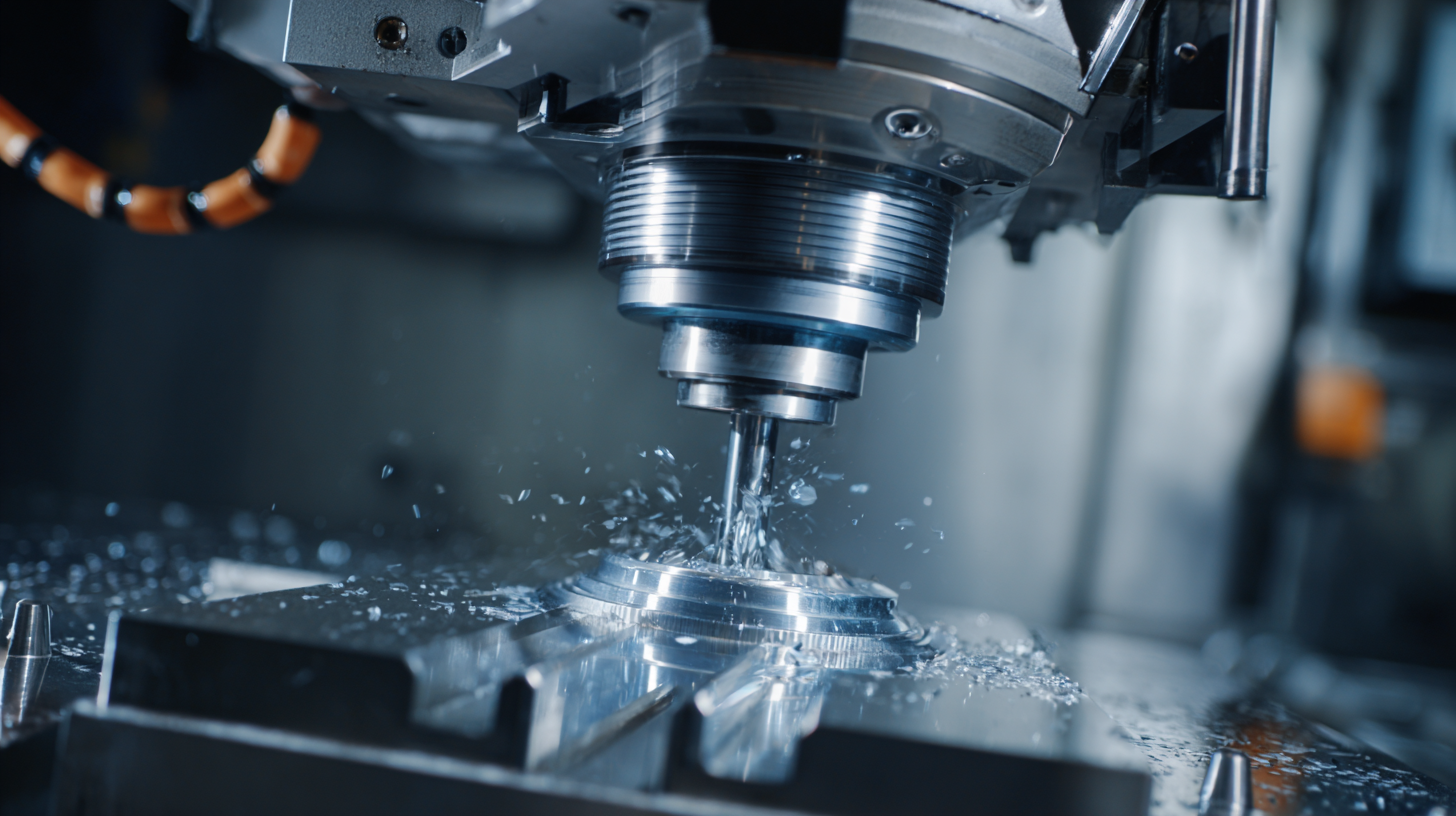
On top of that, adding AI and machine learning into the mix is totally transforming how designs are created and products are made. These technologies can sift through massive amounts of data, spot patterns, and optimize workflows—things that just weren’t possible before. As companies start using these smart CNC setups, they can tap into data to develop more innovative products, faster than ever. It’s all about creating a manufacturing environment that’s quick, flexible, and responsive. Not only does this help businesses stay competitive, but it also promotes sustainability by using resources more wisely and boosting output. Honestly, the future of manufacturing is pretty much wrapped up in the evolution of CNC tech and smart solutions—they’re changing the game big time.
FAQS
: Traditional manufacturing methods include manual machining and casting, which often involve significant labor costs, time-consuming processes, and a higher likelihood of human error.
CNC machining is automated and can operate continuously, drastically reducing the time required to produce parts while maintaining precision and repeatability.
The CNC machining market is expected to grow from $14.35 billion in 2025 to $21.69 billion by 2033, reflecting a compound growth rate of 5.7%.
Recent advancements have achieved precision levels of P1=C0, allowing for rapid batch production, such as completing AAA-level knife grinding in just 32 minutes.
By adopting CNC machines that deliver long-lasting, high-performance results, companies can prioritize environmental sustainability alongside operational efficiency.
Alternatives include additive manufacturing and advancements in traditional machining techniques like multi-spindle and rotary transfer machining, both of which can enhance productivity and reduce waste.
Diversifying manufacturing capabilities allows companies to optimize operations, respond quickly to market changes, and maintain high-quality standards.
Additive manufacturing enables the creation of complex geometries and reduces waste through layer-by-layer construction, making it a more efficient manufacturing option.
Advanced traditional machining techniques can increase production rates by up to 30% compared to standard CNC processes, especially for high-volume runs.
Embracing CNC machining is essential for companies looking to innovate and excel, as it allows for high precision parts production and adaptation to rapidly changing market demands.
Conclusion
In today’s manufacturing world, CNC parts machining has really taken center stage, totally changing how things are done when it comes to efficiency and precision. As we’ve seen, this shift from old-school methods to CNC machining is a pretty big deal — it allows for the production of complex parts with way less waste. Some of the biggest perks? Better accuracy, faster turnaround times, and consistent results that keep things smooth as ever. It’s no wonder CNC machining is leading the charge in modern manufacturing.
Plus, companies like Shengyi Intelligent Technology Co., Ltd. are playing a huge role in pushing this forward. They offer all sorts of CNC turning and milling parts, helping manufacturers cut costs and save time. Not to mention, these tech-savvy companies are also exploring cool new integrations with smart tech that could totally change the game. As the industry keeps evolving, jumping on the CNC parts bandwagon is pretty much essential if you want to stay competitive and keep up with what the market demands.