Leave Your Message
0%

In today’s super competitive world of manufacturing, companies are always on the lookout for practical solutions that can give them an edge. One option that’s been gaining popularity is Steel Stamped Parts. These little guys play a huge role across a bunch of industries—think automotive, aerospace, Electronics, you name it. And honestly, their precision and toughness really help boost product quality while making production smoother and more efficient.

Now, let’s be real—every manufacturer faces some sort of hurdles, whether it’s climbing material costs or the constant push to do things faster and better. That’s where Steel Stamped Parts can really help out. They tend to be pretty budget-friendly and can even cut down on waste during manufacturing. But here’s the catch—if you’re still stuck in old-school methods, you’re not really tapping into their full potential. Staying stuck in the past can hold you back, so it’s crucial to keep up with new tech and approaches.

Picking the right supplier for these parts is a big deal, too. Quality can vary a ton from one provider to another. Going with a trustworthy source means you get top-notch parts—and, bonus, it can lead to a partnership that really helps your business grow. It’s a good idea to take a look at what you’re currently doing and see where you can improve. Investing in better parts and embracing some modern tech can make a real difference—think better margins and staying ahead of the game in this ever-changing market.
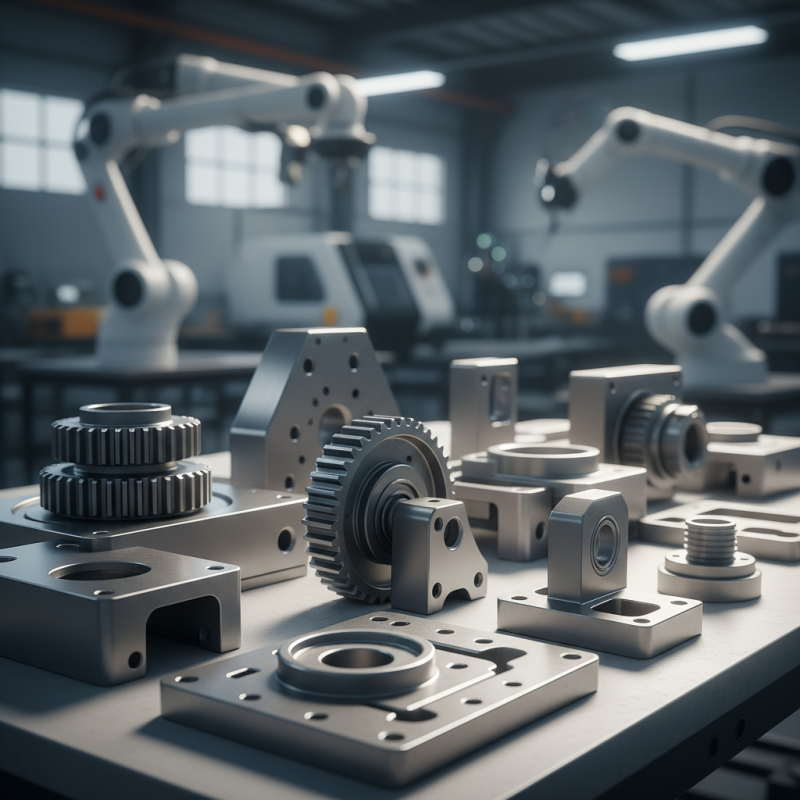
Top 10 Benefits of Using Steel Stamped Parts for Your Business?

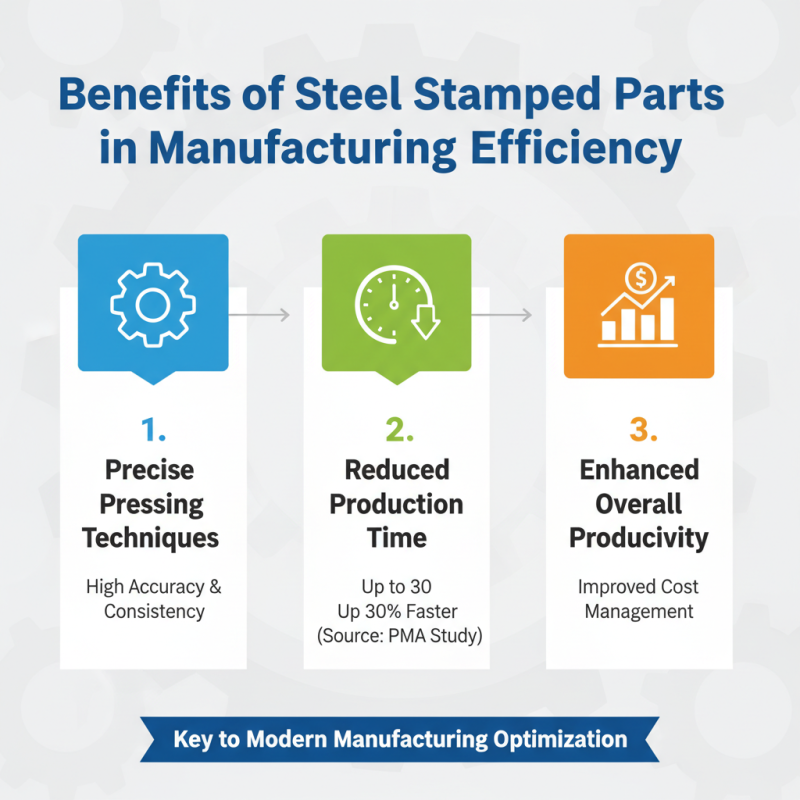
Benefits of Steel Stamped Parts in Manufacturing Efficiency

Top 10 Benefits of Using Steel Stamped Parts for Your Business?

Steel stamped parts are critical in enhancing manufacturing efficiency. Their production involves precise pressing techniques that ensure high accuracy and consistency. A study by the Precision Metalforming Association indicates that companies utilizing steel Stamping can achieve a reduction in production time by up to 30%. This time saving directly impacts overall productivity and cost management.

Additionally, using OEM Steel Stamped Parts leads to reduced material waste. A report from the Steel Manufacturers Association notes that advanced stamping technology minimizes scrap rates to as low as 3%. This efficient material use not only lowers costs but also aligns with sustainability goals. However, companies must remain vigilant about the dependency on technology. Over-reliance can create challenges when adjustments or customizations are necessary.

Moreover, the durability of Stamped Steel Parts contributes to decreased maintenance needs. According to research by the American Society of Mechanical Engineers (ASME), steel components can last significantly longer than those made from alternative materials. Nonetheless, companies should monitor their supply chains. Issues in sourcing high-quality steel can disrupt production lines. Balancing efficiency, quality, and resource reliability is essential for maximizing the advantages of steel stamping.

Cost-Effectiveness of Using Steel Stamped Components for Production

In the competitive manufacturing landscape, cost-effectiveness is paramount. One of the most advantageous solutions is the use of steel stamped components. These parts are produced through a process that efficiently transforms raw steel into precise shapes. This precision reduces material waste, maximizing every sheet of steel used. The production process is not only faster but also minimizes labor costs, contributing to overall savings.

Choosing ODM Steel Stamped Parts allows businesses to benefit from scalability. Whether you need a few thousand pieces or millions, these components can be produced in large quantities while maintaining quality. The high durability of stamped steel also means fewer replacements and repairs over time. However, it is crucial to evaluate the setup costs and tooling involved in production. This can impact initial investments, and businesses should be prepared for these upfront expenses.

Quality assurance is vital when selecting steel stamped parts. Despite their advantages, it is essential to work with experienced manufacturers who prioritize accuracy and reliability. Over time, imperfect parts can lead to higher costs through rework and losses in productivity. Regular assessments of the supplier's capabilities can help businesses avoid future pitfalls. Reflecting on these factors is key to making informed decisions about using steel stamped components.

Enhanced Product Quality through Precision Steel Stamping

Precision steel stamping is a process that greatly enhances product quality. By utilizing advanced techniques, businesses can ensure that their components are manufactured to exact specifications. According to a report by Grand View Research, the global market for metal stamping is expected to reach $26.29 billion by 2025. This growth highlights the increasing demand for high-quality, precision-engineered components in various industries.

Improved consistency in product dimensions is a notable benefit of steel stamped parts. These components have tight tolerances, which minimizes variations in production. Businesses that rely on these precise parts can experience fewer quality control issues. However, operators must remain aware of the potential for wear and tear on stamping dies. Regular maintenance and calibration can mitigate this risk.

When sourcing from a reliable Steel Stamped Parts Factory, consider investing in services that provide thorough inspection and testing. This investment can ensure the longevity and reliability of your products. Always assess the performance metrics of your parts to identify areas for improvement. Analyzing data can guide better design choices in future projects, promoting continuous quality enhancement in your operations.

Time Efficiency in Production with Steel Stamped Parts

Steel stamped parts offer remarkable time efficiency in production, making them a popular choice for manufacturers. According to a report from the Metal Forming Technologies Association, using steel stamping can reduce production time by up to 30%. This increase in speed can lead to higher output rates and faster turnaround times for projects.

The precision involved in steel stamping also minimizes material waste. By achieving tighter tolerances, companies can optimize their resource use. This aspect not only saves time but also contributes to cost reduction. A study from the Precision Metalforming Association noted that businesses could save around 15-20% on raw materials through effective stamping processes.

However, not every aspect of steel stamping is flawless. The initial setup can require significant time and expertise. Resources are needed for designing the die and setting up the machinery. Sometimes, businesses face challenges in securing the right technical skills, which can cause delays. It is essential to weigh these factors against the significant efficiency gains that steel stamped parts can deliver.

Customizability and Versatility of Steel Stamped Components

Steel stamped parts offer significant customizability and versatility for various industries. A recent report by MarketsandMarkets indicates that the global market for metal stamping is expected to reach $200 billion by 2025. This growth highlights how businesses increasingly rely on steel stamped components to meet their unique design and functionality needs.

One of the key advantages of steel stamping is its adaptability. Manufacturers can create complex shapes and intricate designs with ease. This process allows for modifications to size, thickness, and finish, accommodating specific requirements for different applications. Additionally, steel stamping efficiently produces high-volume parts, making it a cost-effective solution. However, it is essential to ensure that design alterations do not compromise structural integrity. Continuous collaboration with engineers is vital to achieve optimal results.

Another important aspect is the material's ability to endure various environments. Steel products can be treated for corrosion resistance, providing longevity in harsh conditions. Despite these benefits, companies should carefully assess the environmental impact of steel production. Striking a balance between performance and sustainability is crucial. As industries evolve, ongoing research into alternative materials and greener processes will further enhance the versatility of steel stamping in the future.

Weight Reduction Advantages of Steel Stamped Products

When looking at weight reduction advantages, steel stamped parts stand out in various industries. These parts are often 20-30% lighter than traditional components. This reduction enhances efficiency and lowers transportation costs. For instance, the automotive sector benefits greatly from this weight decrease. A lighter vehicle can improve fuel efficiency by up to 15%. This is essential for manufacturers aiming for sustainability and complying with stringent environmental laws.

Tips for implementation: Choose a reliable Steel Stamped Parts Company. Make sure to evaluate their past projects. A company with a solid portfolio can help you achieve desired weight reductions without compromising strength. Inspect the material specifications before making a commitment.

Another point of concern includes the trade-offs in durability versus weight. Some designs may become less robust. It's vital to analyze stress points in your components. Conduct simulations before production. This proactive approach minimizes failures and enhances your product's reliability over time.

Top 10 Benefits of Using Steel Stamped Parts for Your Business

Sustainability and Environmental Impact of Steel Stamping Process

The steel stamping process significantly reduces waste during production. Steel is highly recyclable, and much of the scrap generated can be reused. This creates a circular economy that benefits manufacturers and the environment. Moreover, stamped parts are often more precise. The high accuracy leads to fewer resources wasted on rework or excess material.

Using steel stamped parts fosters sustainability. The production process consumes less energy compared to other manufacturing methods. This reduction in energy use directly translates to lower carbon emissions. Companies adopting this method can demonstrate their commitment to eco-friendly practices.

However, challenges remain. Transitioning to steel stamping requires investment in technology and training. Not all businesses have the resources to make this shift. Additionally, the reliance on steel may pose concerns about sourcing and environmental practices of suppliers. Companies must reflect on these factors as they choose sustainable pathways.

Top 10 Benefits of Using Steel Stamped Parts for Your Business

Benefit Description Environmental Impact Cost Efficiency
High Precision Steel stamping provides high precision and consistency in parts manufacturing. Reduced waste during production process leads to lower environmental footprint. Minimized errors reduce costs related to rework and scrap materials.
Durability Steel parts are robust and resistant to deformation. Long-lasting products lead to less frequent replacements, reducing overall waste. Lower lifetime operating costs due to durability and longevity.
Versatility Suitable for various applications across different industries. Ability to recycle steel minimizes environmental impact. Cost-effective solution for diverse manufacturing needs.
Speed of Production Fast production rates result in quicker turnaround times. Efficient processes lower resource consumption per unit. Increased output supports higher profit margins.
Cost-Effectiveness Lower material costs contribute to overall savings. Recycling helps reduce the demand for new raw materials, benefiting the environment. Lower operational costs enhance business profitability.
Enhanced Safety Sturdy parts can lead to safer equipment and machinery. Reliable parts reduce the likelihood of workplace accidents. Fewer accidents can lead to lower insurance costs.
Low Maintenance Steel parts require less frequent servicing. Less downtime and more efficiency in operations. Reduced maintenance costs contribute to overall financial savings.
Reduced Material Waste Efficient use of materials in the production process. Minimized excess waste supports environmental sustainability. Lower material costs due to better utilization.
Improved Energy Efficiency Advanced processes often use less energy during production. Lower energy consumption leads to a reduced carbon footprint. Lower energy bills improve overall profitability.

Optimizing Custom Metal Stamping: Harnessing the Potential of Aluminum and Stainless Steel Parts

Optimizing custom metal stamping involves leveraging the unique properties of materials such as aluminum and stainless steel to create high-quality parts that meet specific engineering requirements. The stamping process begins with careful material selection, where factors like thickness and specifications of metal sheets—ranging from steel to aluminum—are determined based on the end-product needs. Aluminum is known for its lightweight and corrosion-resistant qualities, making it ideal for applications where reducing weight is critical. Conversely, stainless steel offers superior strength and durability, suitable for harsher environments.

The next step focuses on mold design and manufacturing. Creating an effective mold is crucial, as it not only defines the final shape of the part but also impacts production efficiency. The design must account for the size, shape, and the flow of materials, ensuring that the mold facilitates a seamless stamping process. After the initial stamping, the parts often require deburring and cleaning to eliminate any sharp edges or debris. This attention to detail enhances the quality of the final product, providing a smooth surface finish and ensuring that the components function as intended in their respective applications. By mastering these stages, manufacturers can fully optimize the advantages of aluminum and stainless steel in custom metal stamping projects.

FAQS

: What are the main benefits of using steel stamped parts in manufacturing?

: Steel stamped parts improve efficiency, reduce production time, and cut material waste. They offer accuracy and durability.

How much can production time be reduced with steel stamping?

Companies can reduce production time by up to 30%. This leads to higher output and faster project turnaround.

How does steel stamping affect material waste?

Advanced stamping technology can minimize scrap rates to 3%. This efficient use helps lower costs and supports sustainability.

Are there drawbacks to using steel stamping?

Yes, the initial setup can take time and require expertise. Ensuring skilled resources is vital to avoid delays.

What role does supply chain management play in steel stamping?

Companies must monitor their supply chains for high-quality steel. Disruptions can significantly impact production processes.

How does steel compare to alternative materials in terms of durability?

Steel components tend to last longer. However, businesses must ensure consistent quality to maximize longevity and reliability.

Can steel stamping contribute to cost savings?

Yes, businesses can save 15-20% on raw materials with effective stamping. Reduced waste plays a key role in cost efficiency.

What challenges might companies face with steel stamping technology?

Over-reliance on technology can cause issues during adjustments. It's crucial to balance efficiency with adaptability and quality.

Is the precision of steel stamping important?

Yes, precision minimizes waste and maximizes resource use. This contributes to overall cost reduction and manufacturing efficiency.

How can businesses prepare for the setup of steel stamping?

Companies need to invest in proper design and machinery setup. Gathering the right technical skills is essential for success.

Conclusion

Steel Stamped Parts offer numerous advantages for businesses looking to enhance their manufacturing processes. One of the primary benefits is improved manufacturing efficiency, as these components can be produced quickly and with high precision, reducing production time and minimizing waste. Additionally, the cost-effectiveness of using steel stamped parts makes them an attractive option, allowing companies to achieve significant savings without compromising on quality.

Furthermore, the customizability and versatility of steel stamped components enable manufacturers to create tailored solutions for their specific needs, catering to a wide range of applications. The weight reduction associated with steel stamped products can also contribute to better overall performance of the final product. Finally, the sustainability of the steel stamping process highlights its positive environmental impact, making it a responsible choice for modern manufacturing. Overall, incorporating steel stamped parts into production can lead to enhanced product quality and increased operational efficiency.

Sophie

Sophie

Sophie is a dedicated marketing professional at Dongguan Shengyi Intelligent Technology Co., Ltd., where she showcases an exceptional expertise in the company’s innovative products and solutions. With a strong background in technology and marketing, she is responsible for curating and updating the......
Previous Top 10 Precision CNC Machined Parts Suppliers in China?