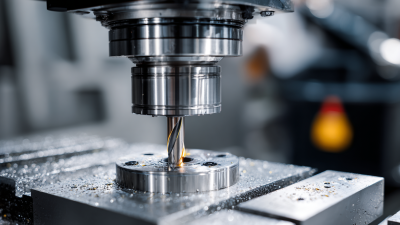
When it comes to manufacturing these days, having precise Cnc machines is pretty much the key to making top-notch products. I came across this recent report from Grand View Research, and it's wild to see that the CNC market is expected to hit $117 billion by 2027 — shows just how important this tech is getting, right? But let’s be real — precision isn’t just some fancy term; it’s actually super critical for cutting down waste and making sure everything lines up perfectly.
That said, even with all the advancements, a lot of companies still struggle to get that perfect precision. I read a survey by Modern Machine Shop where over 30% of CNC operators said they face issues keeping tolerances consistent. Usually, it’s due to machine wear or sometimes programming mistakes. So yeah, investing in good training for the team and upgrading the machines can really make a difference.
Looking ahead, the future of Cnc Machining is all about embracing new technology but also honestly evaluating what we’re doing now. Staying competitive means constantly tweaking and improving our processes. Getting that nice, tight precision isn’t just gonna happen on its own — it takes effort, attention, and continuous refinement. Basically, in this fast-changing manufacturing world, how well you master CNC precision could be what separates success from the rest.
Best Practices for Achieving High Precision in CNC Machining
Achieving high precision in CNC machining requires attention to detail and careful planning. One critical factor is tool selection. Using the right tool can make a significant difference in the overall precision of your work. For instance, sharp tools reduce friction and improve the quality of the cuts. Dull tools, on the other hand, can produce rough finishes and affect measurement accuracy.
Another important aspect is the workpiece setup. Ensure that your workpiece is securely clamped. Any movement during machining can lead to errors. Align the workpiece correctly to avoid misaligned cuts. Remember, even minor inconsistencies can lead to major defects later on.
Lastly, consider the machine settings carefully. Each CNC machine has its own unique characteristics, making it vital to adjust speeds and feedsaccording to the material. A setting that works well for one material might not be suitable for another. Keep testing and refining your approach.Cnc Machine Precision often requires trial and error. Don't hesitate to reflect on past mistakes for continued improvement.
Understanding Tolerances: How They Affect CNC Machine Performance
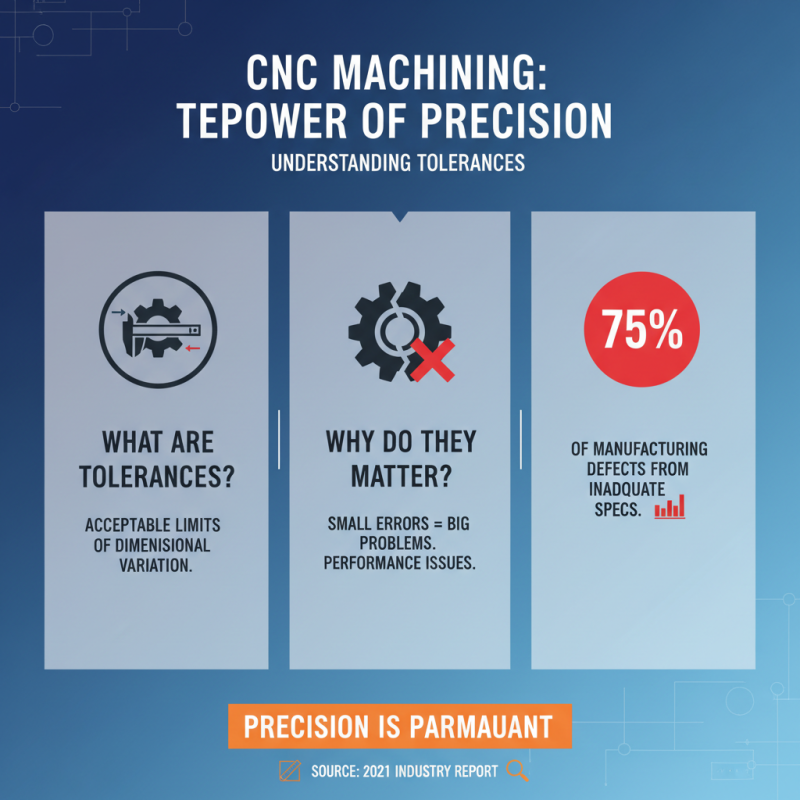
Understanding tolerances is crucial in CNC machining. Tolerances determine the acceptable limits of variation in a part's dimensions. Even small errors can lead to significant performance issues. According to a 2021 industry report, 75% of manufacturing defects stem from inadequate tolerance specifications. This statistic highlights the importance of precise measurement.
When setting tolerances, it's essential to balance precision and production costs. Tight tolerances often require advanced machinery and longer production times. A 2020 study noted that companies adopting more relaxed tolerances saved up to 20% on production costs. However, this approach may compromise product quality. Here lies a dilemma: how much precision is enough?
Another point to ponder is the impact of tolerances on the final application. Parts used in high-stress environments need stricter tolerances. For example, aerospace components demand tolerances within ±0.001 inches. In contrast, less critical parts can function adequately with ±0.005 inches. This variability urges engineers to evaluate each project individually, fostering a culture of reflection on tolerances and their implications.
Material Selection: Impact on Precision and Finish Quality
When choosing materials for CNC machining, the selection process is vital. Different materials behave differently under cutting conditions. For example, aluminum is soft and easy to machine. It offers a smooth finish but can be prone to scratches. On the other hand, steel is tough. It requires more powerful CNC machines to achieve precision, which can increase production time.
Understanding the properties of each material helps optimize the machining process. Some exotic materials may promise better results but may be difficult to source and handle. Factors such as thermal expansion and hardness need careful consideration. It’s crucial to match the CNC machine settings to the material’s characteristics. This ensures precision and a quality finish, but mistakes can lead to excess waste or scrapped parts.
Always test your settings first. Consider keeping a record of how different materials react on the CNC machine. A small adjustment can drastically affect outcomes. Reflections on past projects can guide future work. Adapting to different materials is a continuous learning journey in CNC machining. Balancing precision and material choice is an ongoing challenge in the quest for the perfect finish.
2026 Best CNC Machine Precision Tips and Techniques
| Material Type | Impact on Precision | Finish Quality | Recommended Techniques |
| Aluminum | High precision, easy to machine | Excellent surface finish with anodizing | Use sharp tools, optimal feed rates |
| Steel | Good precision with alloy steels | Medium surface finish, requires polishing | Coolant application, slower speeds |
| Plastic | Good precision, lower rigidity | Variable quality, depends on type | Controlled feed rates, no vibration |
| Titanium | Very precise, challenging to machine | Excellent finish, often requires secondary machining | High-speed machining, custom tooling |
| Copper | Good precision, conductive | High surface quality after machining | Proper RPM and fine tooling |
Using Calibrated Tools: Ensuring Accuracy in CNC Operations
Calibrated tools play a crucial role in achieving precision in CNC operations. Accuracy can make or break a project. A slight error can lead to significant discrepancies in final products. Regularly checking and calibrating tools ensures consistent performance. Measuring devices should be kept on hand, ready for use.
Adjustments may not always yield perfect results. Sometimes, even minor misalignments occur. Operators must remain vigilant and willing to make changes. Integrating calibration into daily routines can help improve outcomes. Proper calibrating methods not only enhance the quality of work but also boost the efficiency of the cnc machine working.
It's essential to document calibration results over time. Reflection on each calibration procedure offers insights into potential issues. Not everything will go smoothly. Errors can prompt further investigation, leading to better practices. Developing an attitude of continuous improvement fosters a culture of precision in CNC machining.
Advanced CNC Techniques: Strategies for Enhanced Precision
In the realm of CNC machining, precision is paramount. Achieving this demands advanced techniques that go beyond basic operation. A well-calibrated machine is the starting point. Regular inspections and adjustments can prevent drift in accuracy. Small changes can lead to significant improvements.
Tool selection plays a crucial role. Choosing the right tool material and geometry can affect the cut quality. For instance, high-speed steel tools may not perform as well with certain materials. Experimenting with various options is often necessary. Sometimes, the perfect tool is not the one you expect.
Programming is another area that requires attention. Fine-tuning the feed rates can enhance surface finish. Yet, this is an area where mistakes often happen. Overestimating the capabilities of your machine can lead to errors. Reflection on these experiences can lead to better outcomes in future projects. Each command must be scrutinized for optimal results.
2026 Best CNC Machine Precision Metrics
Routine Maintenance: Key to Sustaining CNC Machine Accuracy
Routine maintenance is essential for sustaining CNC machine accuracy. A study by the National Institute of Standards and Technology found that regular maintenance can improve machine precision by up to 25%. This means that neglecting maintenance could lead to major inaccuracies in CNC Milling Machine Processing. Regular checks ensure that all components, from the spindle to the ball screws, function optimally.
Inspecting critical parts like the linear guides and lubrication systems at least once a month can prevent common issues. Small problems often escalate if left unaddressed. A worn belt or misalignment might only seem minor, but these issues can cause significant discrepancies over time. Some reports indicate that up to 40% of production efficiency is lost due to preventable maintenance problems.
Additionally, operators need to remain vigilant and keep detailed records of maintenance activities. This helps in tracking performance trends and identifying potential issues early. Every machine has a threshold for performance decline. Ignoring these maintenance routines can lead to costly downtimes and repairs, ultimately affecting profitability. Regular maintenance is not just advisable; it is critical for ensuring the effectiveness of CNC milling machine processing.
Role of Software and Programming in CNC Precision Engineering
In CNC precision engineering, software plays a critical role. It drives the entire manufacturing process. Advanced CAD and CAM systems optimize design and streamline production. According to industry reports, software efficiency can boost productivity by over 30%. Accurate programming minimizes errors during machining. This reduces material waste and improves overall quality.
Moreover, operators often overlook the need for continuous learning in software applications. Many still rely on outdated programming techniques. This gap leads to longer lead times and inconsistent outcomes. A recent survey revealed that 45% of CNC operators feel unprepared to adopt newer technologies. Ignoring software upgrades can hinder precision.
Feedback loops are essential in refining the programming process. Regularly updating the software toolkit can help. However, the implementation of new systems often faces resistance from staff. Change is not always welcomed. Therefore, fostering a culture of adaptability is vital to enhance precision in CNC machining.
Optimizing Performance and Durability: The Benefits of CNC Precision-Machined Aluminum Connectors
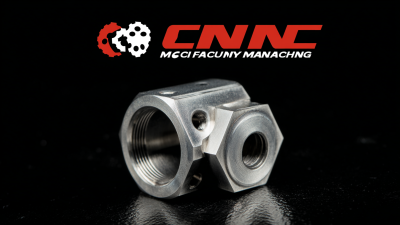
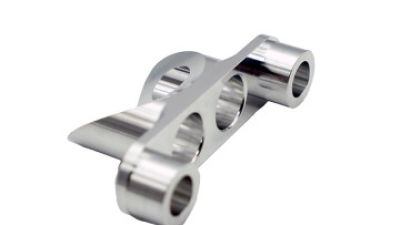
In the realm of industrial manufacturing, precision and durability are paramount. The benefits of CNC precision-machined aluminum connectors cannot be overstated, particularly in applications where tight tolerances and seamless integration are required. Crafted through advanced CNC machining techniques, these aluminum connectors boast tolerances as precise as ±0.01mm, setting a new standard for quality and reliability. This level of precision is crucial for applications where even minor discrepancies can lead to significant operational issues, thereby enhancing overall performance and longevity.
According to a report by the International Journal of Manufacturing Technology and Management, utilizing CNC machining in the production of connectors improves dimensional accuracy and reduces production time by up to 30%. This efficiency not only minimizes waste but also allows manufacturers to allocate resources more effectively, optimizing processes without sacrificing quality. The sleek and ergonomic design of these connectors further aids in assembly processes, ensuring that engineers can achieve robust and reliable connections even in the most complex systems.
Moreover, the smooth metallic finish achieved through CNC machining enhances the connector's aesthetic appeal while providing superior resistance to wear and environmental factors. Enhanced durability is essential, as aluminum connectors are increasingly used in diverse industries, from aerospace to automotive, where performance standards are exceptionally high. The use of precision-machined components is projected to rise significantly, as industries seek to leverage advancements in manufacturing technologies for better performance outcomes. The combination of optimized performance and long-lasting durability makes CNC precision-machined aluminum connectors an invaluable asset in the landscape of modern industrial applications.
FAQS
: The product aims to improve daily efficiency and enhance user experience.
Follow the user manual for setup. Experiment with different settings for best results.
Yes, avoid exposure to moisture and extreme temperatures.
Check the troubleshooting section in the manual. Contact support if problems persist.
Yes, it is designed for all skill levels. Some initial learning might be required.
Regular cleaning is advised. Inspect components every few months for wear.
The package typically includes the main product and essential accessories.
Yes, there is a warranty period. Review the documentation for details.
Repair services depend on your location. Local options may vary significantly.
Some believe it's too complex. In reality, most users adapt quickly.
Conclusion
Achieving high CNC machine precision is a multifaceted process that involves several key factors. First, understanding and applying best practices in CNC machining is essential for maintaining tight tolerances, which directly impacts machine performance. Material selection plays a crucial role as different materials can affect not only precision but also the quality of the finish. Utilizing calibrated tools ensures that the accuracy in CNC operations is upheld, while advanced techniques can further enhance precision through refined strategies.
Additionally, routine maintenance is critical to sustaining CNC machine accuracy over time, preventing wear and tear from compromising performance. Lastly, the role of software and programming cannot be overlooked, as effective programming practices enable precise control of machining operations. By focusing on these areas, manufacturers can significantly improve their CNC machine precision, leading to better quality products and increased efficiency in production.