Leave Your Message
0%

When it comes to manufacturing, picking the right metal for Stamping is a pretty important decision. Every metal has its own unique qualities, and these can really influence things like the strength, weight, and overall cost of your final product. So, it’s definitely something companies need to think through carefully.

Figuring out which metal to use really depends on what you're trying to achieve with your project. For example, some metals are super malleable and easy to shape, while others are way more durable, but maybe a bit trickier to work with. Making the right choice here can impact not just how smooth your production runs go, but also how well the end product performs.

A lot of metal stamping sheet metal manufacturers face this challenge all the time—they need to find that sweet spot between quality and keeping costs in check. Sometimes, the decisions they make can lead to unexpected surprises. Looking back at past projects can really help guide better choices down the line. Knowing the ins and outs of each type of metal can make all the difference for getting better results overall.
2026 Best Metals for Stamping Which One Should You Choose?

2026 Overview of Metal Stamping Applications and Industries

2026 Best Metals for Stamping Which One Should You Choose?

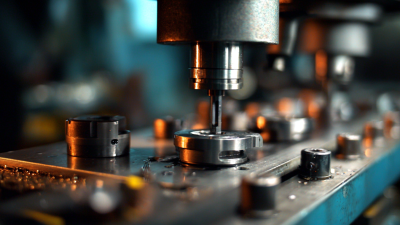
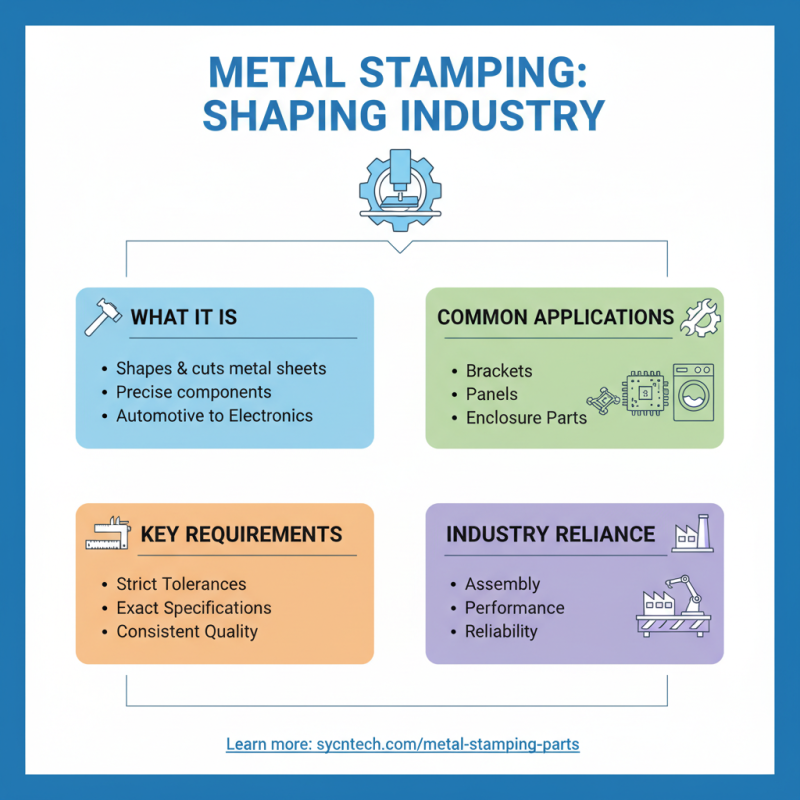
Metal stamping is a crucial process used in various industries, from automotive to electronics. This technique shapes and cuts metal sheets into precise components. Common applications include brackets, panels, and Enclosure parts.Metal Stamping Parts are often required to meet strict tolerances and specifications. Industries rely on consistent quality for assembly and performance.

In the aerospace sector, metal stamping is essential for producing lightweight and durable components. The need for innovation is clear. Manufacturers often face challenges in maintaining efficiency while ensuring high standards. In the furniture industry, metal stamping contributes to creating elegant designs with robust structures. The balance between aesthetics and functionality can be a tough nut to crack.

Each application presents its own set of obstacles. It’s not always easy to select the right metal for stamping. Factors like material strength, weight, and corrosion resistance come into play. Every decision impacts the end product. Companies must constantly review their processes to adapt to changing market demands. Sometimes, lessons learned from failures drive better outcomes.

Key Properties of Metals for Effective Stamping Performance

When choosing metals for stamping, understanding key properties is essential. Metals like steel, aluminum, and brass have unique characteristics that influence their performance. Steel offers exceptional strength, making it ideal for heavy-duty parts. Aluminum is lightweight and corrosion-resistant, suitable for intricate designs. Brass is malleable and conducts electricity well, perfect for electrical components.

Tips: Consider the intended application of your Custom Metal Stamping Parts. If durability is critical, opt for steel. If weight is a concern, aluminum may be the answer. test the metal samples before full production. This will help identify potential issues early.

The thickness and finish of the metal also play a role. Thicker materials can withstand stress but may require more energy during stamping. Surface finish affects how the part will look and fit. A rough finish can lead to friction that impacts performance.

Tips: Always assess the compatibility of materials used in stamping. A good metal choice aligns well with other materials in the assembly. Maintain communication with suppliers to address concerns. Refinement in selection can save time and cost. Remember, selecting the wrong metal can lead to significant setbacks.

2026 Best Metals for Stamping Performance

Top 5 Metals Used in Stamping: Strength, Ductility, and Cost Analysis

Metal stamping is an essential process in manufacturing. Choosing the right metal can significantly impact product quality and cost. Strength and ductility are two critical factors to consider. For example, high-strength low-alloy steel often combines excellent strength with good formability, making it popular in a variety of applications. According to industry reports, this steel can have a tensile strength of over 100,000 psi.

Aluminum is another metal frequently used in stamping. It is lightweight and resistant to corrosion. Its ductility allows for complex shapes. A study indicates that aluminum can be stamped into intricate designs without cracking. However, the cost can be higher than that of other metals. Price fluctuations depend on market demand and availability.

Stainless steel offers durability and aesthetic appeal but can be more challenging to work with due to its strength. A well-recognized report states that the energy required for stamping stainless steel is often higher than that for aluminum. This difference can lead to increased costs if not managed in a Metal Stamping Factory. Evaluating these metals' properties will guide your choice in production. Finding the right balance between strength, ductility, and cost remains crucial.

Comparative Review of Aluminum vs. Steel in Metal Stamping

When it comes to metal stamping, choosing the right material is crucial. Aluminum and steel are two popular options, each with its own pros and cons. Aluminum is lightweight and resistant to corrosion. It’s great for projects that require easy handling. However, it can be less durable than steel in high-stress situations.

On the other hand, steel offers excellent strength and toughness. It’s suitable for heavy-duty applications. But steel is heavier and may require more energy to process. The choice depends largely on your specific needs.

Tips: Consider the weight and strength requirements of your project. Think about the environment your Metal Stamping Bracket will encounter. Will it face moisture, chemicals, or harsh conditions? These factors can greatly influence the decision.

Aluminum can be easier to work with, but adjusting to different techniques may take time. Steel may present challenges during the stamping process, especially with complex shapes. It’s essential to evaluate both materials based on the final use of your product. Balancing these elements will lead to a more successful metal stamping project.

Environmental Impact and Sustainability of Stamping Metals in 2026

2026 Best Metals for Stamping Which One Should You Choose?

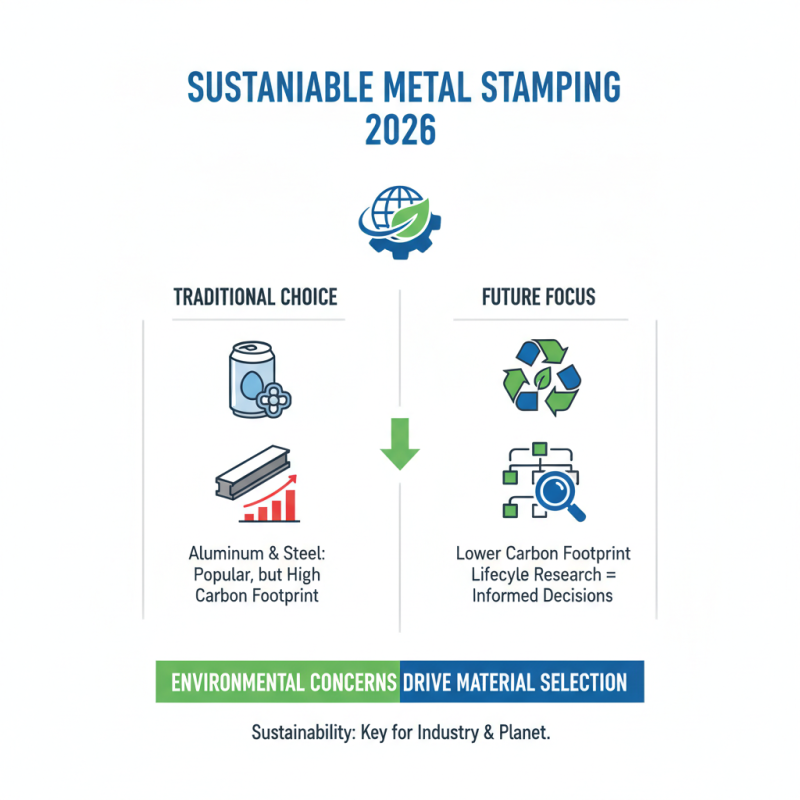
When selecting metals for stamping in 2026, sustainability is key. Environmental concerns drive decision-making. Many industries seek metals with lower carbon footprints. Aluminum and steel are popular, but their production impacts the planet. Researching the lifecycle of these materials can reveal surprising results.

Tips: Start with recycled metals. They often require less energy to produce. Choose suppliers who prioritize sustainability. This can lead to a more eco-friendly choice.

Consider alternative metals too. Titanium and magnesium are gaining traction. They are lightweight and durable. However, they pose their own challenges in sourcing and cost. Evaluating their environmental impact is essential before choosing.

Many stamping processes waste materials. It is vital to look for ways to minimize this. Techniques like nesting in dies can reduce scrap. Be open to experimenting with your methods. Analyzing your production can lead to better results.

Emerging Trends in Metal Stamping Materials for Future Innovations

The evolution of metal stamping materials reflects ongoing innovations. As industries push for lighter and stronger components, new materials are emerging. Advanced alloys and composites are changing the game, making stamping processes more efficient. These materials offer improved durability while reducing overall weight. For example, aluminum-lithium alloys lead to significant weight savings in aerospace applications.

However, companies must consider challenges when adopting these new materials. Some alloys may require different processing techniques, impacting production times. Additionally, the cost of these advanced materials can be higher, which not all manufacturers can absorb. Balancing these factors is crucial for successful implementation.

New coatings are also part of the emerging trends. They enhance corrosion resistance and increase the lifespan of stamped components. Companies need to explore these solutions to stay competitive. Yet, finding the right coating that fits specific applications can still be daunting. As innovation continues, the quest for the perfect stamping material remains an ongoing journey.

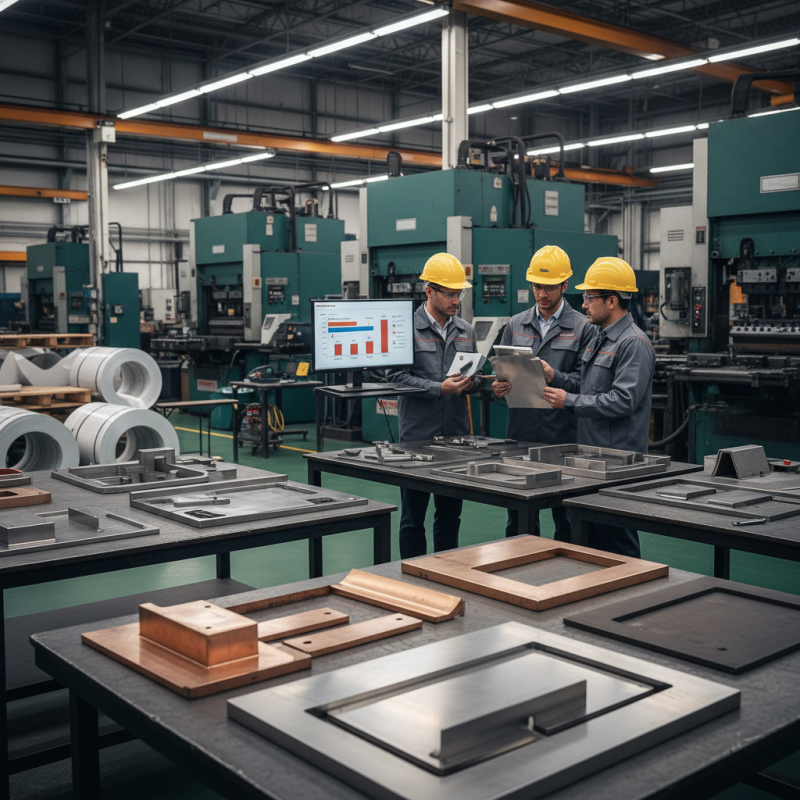
Cost-Benefit Analysis: Selecting the Right Metal for Your Project

Selecting the right metal for stamping can significantly impact your project's success. A cost-benefit analysis is essential in this process. Different metals come with various costs and advantages. Steel, for instance, offers strength and durability. However, it can be heavy and challenging to work with. Aluminum is lightweight, making it easier to handle. But it may lack the rigidity needed for some applications.

You're also faced with factors like production speed and waste management. Some metals can be processed quickly, reducing labor costs. Yet, this might mean sacrificing quality. Not every project requires the same material. For example, brass has great corrosion resistance but is more expensive. Evaluating the specific needs of your project helps narrow down options. But, the decision might still feel daunting.

Consider seeking input from experienced professionals. They can provide insights into which metals have worked in similar projects. This could save you time and money in the long run. Balancing these considerations can lead to a wiser decision. Remember, the perfect choice might not exist; understanding trade-offs is key.

Maximizing Functionality and Aesthetics: Insights from 2023 Market Trends on Precision Metal Knobs in Home and Industry

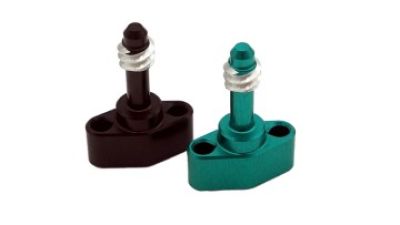
In 2023, the demand for precision metal knobs in both home and industrial applications highlights the growing consumer interest in products that combine functionality with visual appeal. Aesthetic elements are as crucial as performance, motivating manufacturers to innovate in design. With an array of stylish options, such as dark-toned and teal variants, these metal knobs not only enhance spatial aesthetics but also offer a tactile experience that elevates user interaction. The emphasis on design reflects a broader trend where the integration of form and function is paramount.

Advanced CNC machining has revolutionized the manufacturing of precision metal knobs, allowing for exceptional quality and accuracy that meet high industry standards. The intricate surface treatments applied to these knobs not only contribute to their durability but also enhance their finish, making them visually striking. Such precision engineering ensures that these knobs provide reliable performance, whether they are used in a home setting or a demanding industrial environment. As consumers prioritize both appearance and functionality, products like these metal knobs stand out as exemplary solutions catering to evolving preferences in the market.

FAQS

: What is the primary purpose of this product?

: The product aims to solve specific challenges. It enhances daily tasks and improves efficiency.

How do I use this product correctly?

Follow simple steps. Ensure proper setup before using. Refer to instructions for best results.

What should I do if I encounter issues?

Try troubleshooting steps. Check connections and settings. If problems persist, seek support.

Are there any side effects?

Some users report minor discomfort. Reactions can vary based on individual sensitivity. Monitor your response.

How can I maintain this product?

Regular cleaning is essential. Use appropriate tools. Avoid harsh chemicals that may damage it.

Is there a warranty or guarantee?

Yes, a limited warranty is provided. It covers specific issues under normal use. Carefully read the terms.

Can this product be used by everyone?

Most individuals can use it. However, consider personal health conditions. Consult a professional if unsure.

Where can I find more information?

Additional details are available online. User forums and reviews can provide insights and experiences.

Is it safe to use in all environments?

While generally safe, avoid extreme conditions. Keep it away from moisture and excessive heat.

What should I do if I'm not satisfied with my purchase?

Contact customer service for assistance. They may offer solutions or options to address your concerns.

Conclusion

The article "2026 Best Metals for Stamping: Which One Should You Choose?" provides an in-depth exploration of the key properties and applications of various metals in the stamping industry. It outlines the importance of selecting the right metal for stamping based on strength, ductility, and cost-effectiveness, emphasizing the top five metals commonly used in this field. A comparative review of aluminum and steel illustrates their respective advantages and drawbacks in metal stamping processes. Additionally, the article highlights the environmental implications and sustainability considerations associated with metal choices, alongside emerging trends that could shape the future of stamping materials.

As the industry evolves, the cost-benefit analysis presented in the article guides manufacturers in making informed decisions tailored to their specific project needs. Ultimately, choosing the most suitable metal for stamping is crucial for optimizing performance and ensuring sustainability in metalworking practices.
Ella

Ella

Ella is a dedicated marketing professional at Dongguan Shengyi Intelligent Technology Co., Ltd., where she leverages her extensive knowledge of the company's innovative products to drive engagement and awareness. With a keen eye for detail and a passion for technology, she regularly updates the......
Previous Innovative Approaches to Precision Metal Stamping for Global Manufacturers