In the busy world of manufacturing, picking the right Stamped Metal Parts can really make a big difference when it comes to efficiency and quality. Industry expert John Anderson from Precision Metal Solutions puts it simply: "Getting the right stamped parts can either make or break your whole production process." That really drives home just how important it is to choose high-quality materials.
Stamping is pretty versatile — it can create all sorts of complex shapes and intricate designs, which is why it’s so crucial in industries ranging from cars to Electronics. But, here’s the thing: not all stamped parts are the same. You’ve gotta pay attention to things like the quality of the material, the methods used during production, and how experienced your supplier actually is.
Even with all the fancy tech out there, there are still hurdles to clear when it comes to perfecting these parts. Unfortunately, some manufacturers might take shortcuts, which leads to inconsistent results. That’s why doing your homework and choosing your supplier carefully is super important. Considering all these factors can really help you make smarter decisions and set your manufacturing process up for success. At the end of the day, quality Stamped Metal parts can definitely give your business a boost — as long as you pick them wisely.
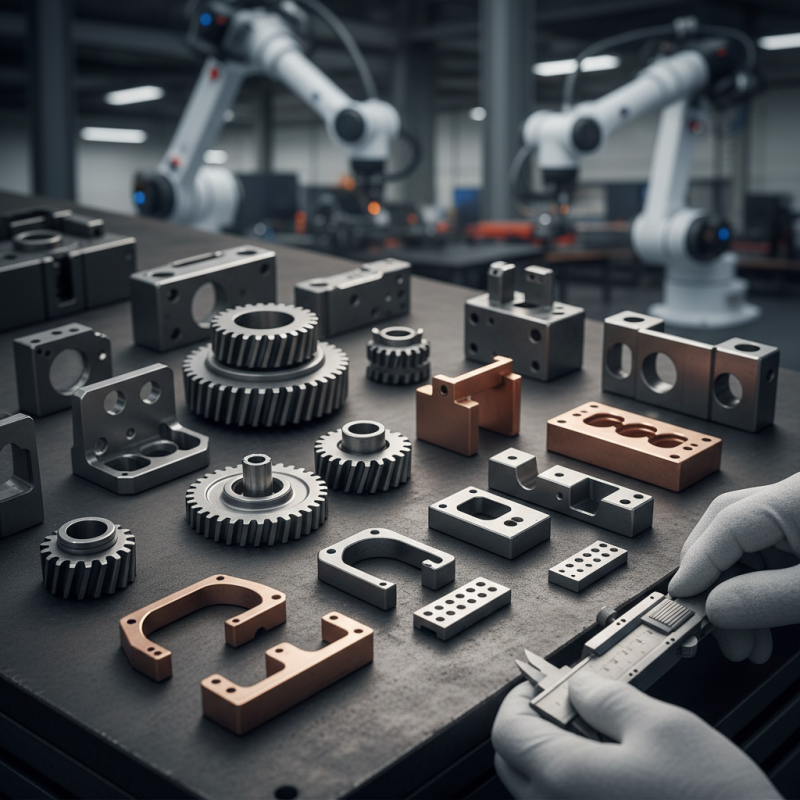
Understanding Stamped Metal Parts and Their Applications
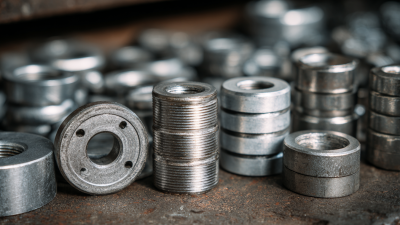
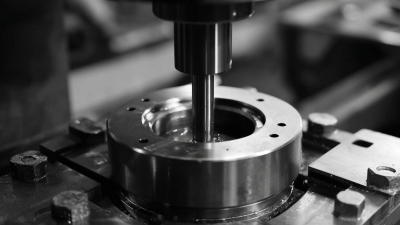
Stamped metal parts play a crucial role in various industries. They are made through a process that shapes metal sheets into desired forms. This technique ensures precision and consistency, which are vital for quality manufacturing.
Different applications exist for OEM Stamped Metal Parts. For instance, the automotive sector utilizes these components for brackets, support structures, and more. The electronic industry also relies on stamped parts for connectors and casing. Each application requires specific materials and tolerances, compelling manufacturers to evaluate their needs carefully.
However, challenges can arise in the stamping process. Material deformation can occur if not monitored closely. Tool wear and misalignment can result in defective parts. Reflecting on these issues is important. Proper maintenance and inspection protocols are necessary to ensure the quality of stamped metal parts in production.
Types of Stamped Metal Parts Used in Manufacturing
Stamped metal parts play a crucial role in modern manufacturing. Various types of stamped metal components are essential for creating products across multiple industries. These parts include brackets, panels, and connectors, each serving a unique purpose.
Brackets are often used to provide support and stability. They can be found in furniture, electronics, and automotive applications. Panels are vital in creating protective housings, particularly for electrical equipment. Stamping allows for precision in designs, ensuring that these panels fit perfectly. Connectors, on the other hand, facilitate the joining of components. They are critical in complex assemblies.
However, choosing the right stamped parts can be challenging. Not every part will fit every application. Manufacturers must evaluate their specific needs and production methods. Sometimes, the parts may not meet quality expectations. Conducting thorough testing is essential. This helps mitigate risks and ensures functionality. Embracing these challenges can lead to innovations and improvements in the manufacturing process.
Best Stamped Metal Parts for Your Manufacturing Needs
Key Materials for Stamped Metal Production
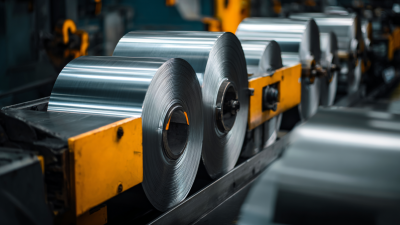
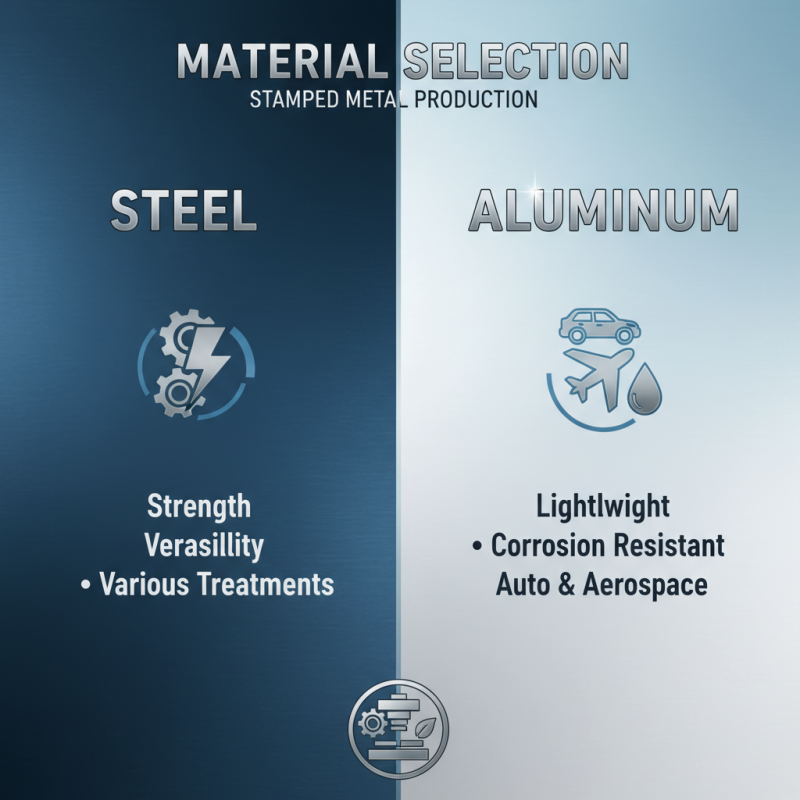
When selecting materials for stamped metal production, the choices can significantly impact the final product. Steel is a popular choice due to its strength and versatility. It can be treated in various ways. Aluminum, on the other hand, is lightweight and resistant to corrosion. This makes it suitable for automotive and aerospace applications.
Tips: Consider the specific requirements of your project. For instance, heavy-duty applications might necessitate harder metals. Conversely, lighter options may work better in mobile devices.
Copper is another excellent option. It has outstanding conductivity. Many electronic components benefit from its use. However, copper can be more expensive than other materials. Its cost can lead to budget considerations that need careful thought.
Keep in mind that metal stamping can introduce imperfections. Designs might not always align perfectly. Tolerances can vary based on the material. This makes it essential to prototype any new design before mass production. Always allow room for adjustments based on material response.
Benefits of Using Stamped Metal Parts in Manufacturing
Stamped metal parts offer numerous benefits in manufacturing. They provide remarkable precision, which is crucial for high-quality products. This accuracy reduces waste and improves efficiency. Manufacturers can achieve consistent results quickly. Such consistency is essential in competitive markets.
Another advantage is cost-effectiveness. Stamping processes can lower production costs by minimizing the need for secondary operations. This helps companies save money and allocate resources elsewhere. However, it’s important to consider whether the initial setup costs are justifiable. Sometimes, businesses hesitate due to these upfront expenses.
Durability is a significant factor as well. Stamped parts can withstand harsh conditions. This resilience is vital in various industries. Yet, it's essential to evaluate if a specific part must endure extreme stress. Not every stamped part will meet all durability requirements. Continuous assessment and adaptation are necessary for optimal outcomes.
Factors to Consider When Choosing Stamped Metal Parts
When selecting stamped metal parts, various factors need consideration. Evaluate the material used in production. Common choices include steel, aluminum, and brass. Each material has unique properties. Some are more suitable for specific environments. Understand the requirements of your project before deciding.
The design of the stamped part also matters. Complex shapes may require advanced technology. However, complicated designs can lead to higher costs and longer production times. Simpler designs may be more efficient. But they might lack some desired features. It’s a balance that should not be overlooked.
Consider the supplier's experience with ODM Stamped Metal Parts. Their expertise can affect quality. A reliable supplier will help you avoid potential issues. They should also provide good communication throughout the process.
Finally, don’t forget to analyze the durability and lifespan of the parts. This will save costs in the long run. Choose wisely, as each decision impacts the final product.
Top Industries Utilizing Stamped Metal Parts
Stamped metal parts play a crucial role in various industries. The automotive sector relies heavily on these components. According to industry reports, around 50% of automobile parts are produced through stamping processes. This method ensures precision and efficiency, allowing manufacturers to meet high-volume demands.
The electronics industry also leverages stamped metal parts. Devices like smartphones and computers require intricate and reliable components. Research shows that stamped metal parts contribute to approximately 30% of the total materials used in consumer electronics. However, some manufacturers struggle with maintaining quality during high-volume production. Challenges arise in keeping tolerances tight and ensuring consistency.
Additionally, the aerospace industry has a growing need for stamped metal parts. Components are designed to withstand significant stress while remaining lightweight. Industry surveys suggest that stamped metal parts can save up to 20% in material costs. Still, the complexity of aerospace designs often forces companies to reconsider their stamping methods. Balancing innovation with efficiency remains a persistent challenge.
Future Trends in Stamped Metal Manufacturing Techniques
In recent years, stamped metal manufacturing is evolving rapidly. Technology advancements have sparked new techniques and processes. Automation plays a vital role in enhancing efficiency. Companies are now capable of producing high volumes with improved precision. However, integrating advanced machinery can be challenging for many.
AI and machine learning are on the rise. These technologies can predict failures and optimize production schedules. This shift could lead to better resource allocation. Yet, the learning curve remains steep for many manufacturers. Adapting to such innovations requires training and investment.
Sustainability is becoming crucial in the manufacturing sector. More companies prioritize eco-friendly practices. Recycling scrap metal reduces waste and costs. However, the transition to sustainable methods is not without its hurdles. Cost implications and supply chain issues still linger. Choosing a reputable Stamped Metal Parts Company can help navigate these complexities effectively.
FAQS
: The service aims to provide personalized support for users in various areas.
Users reach out for help, and the team responds based on individual needs.
Some aspects may be free, while others could involve a cost.
Support is generally available during business hours but may vary.
Delays can happen. It’s recommended to follow up after a reasonable time.
Users should avoid illegal or harmful subjects when seeking help.
Feedback can be submitted via the dedicated section on the website.
Yes, users can express their preference and may be switched if necessary.
Precautions are in place, but it's critical for users to understand potential risks.
Users are encouraged to report their issues and seek alternative solutions.
Conclusion
Stamped Metal Parts play a crucial role in various manufacturing processes due to their versatility and efficiency. Understanding their applications is essential, as these parts are utilized in a wide range of industries, from automotive to electronics. Different types of stamped metal parts, made from key materials such as aluminum, steel, and brass, cater to diverse production needs.
The benefits of using stamped metal parts include cost-effectiveness, precision, and the ability to produce complex shapes at scale. When selecting the right stamped metal parts, factors like material selection, tolerances, and the specific requirements of the manufacturing process should be considered. As industries continue to evolve, future trends in stamped metal manufacturing will likely focus on advanced techniques and sustainability, further enhancing the importance of stamped metal parts in modern manufacturing.