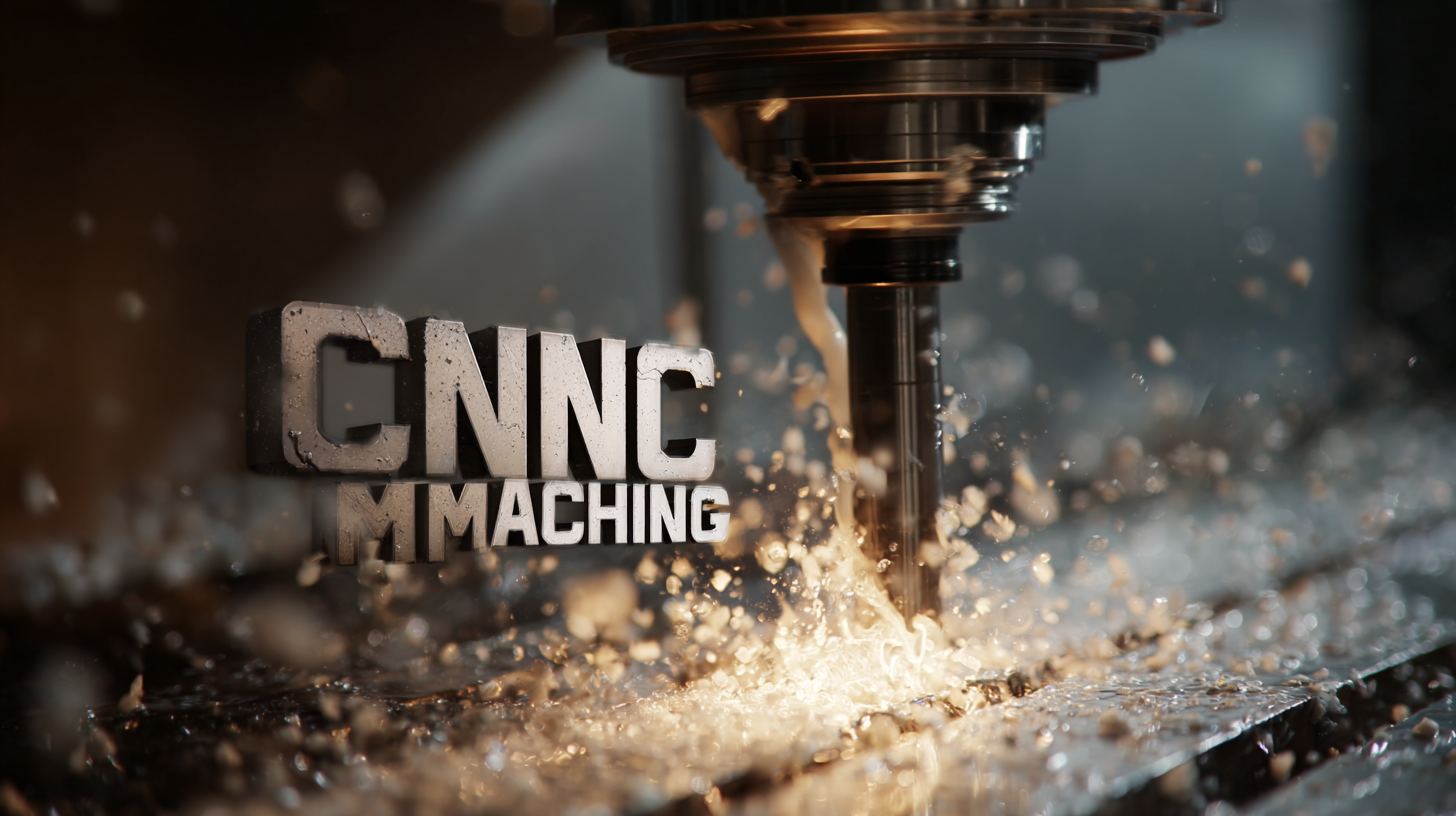
You know, when it comes to precision engineering, picking the right Cnc Machining metal is super important if you want your components to perform well and last a long time. It’s pretty wild—recent reports show that the global CNC machining market is projected to hit around$100 billionby 2026! That’s mainly thanks to cutting-edge manufacturing tech and a growing demand for top-notch Machining Parts.
Here at Shengyi Intelligent Technology Co., Ltd., we really focus on delivering CNC turning parts, CNC milling parts, metal stamping parts, springs, and wire molding products. Our goal is to make sure our clients get expertly crafted components that are just right for what they need. By understanding the different types of CNC machining metals and their uses, engineers and designers can make smarter decisions that really take their projects to the next level.
We’re all about research and development and, with our professional manufacturing skills, we’re dedicated to providing unmatched precision and reliability in every single product we create.
Understanding CNC Machining and Its Importance in Precision Engineering
You know, CNC machining, which stands for Computer Numerical Control machining, is such a game-changer in the world of precision engineering. It's this really cool manufacturing process where computer software controls machine tools. This means that we can create super intricate designs and shapes with incredible accuracy. Seriously, the role of CNC machining in precision engineering is huge! It helps us whip up components that stick to tight tolerances and meet strict specifications. Plus, it boosts productivity and cuts down on human error, making it a go-to choice for engineers all over the globe.
Now, when it comes to precision engineering, picking the right metal is just as important. You've got a range of metals out there—like aluminum, steel, and titanium—each with their own special properties that cater to different needs. For example, aluminum is lightweight and resistant to corrosion, which makes it a top pick for aerospace projects. On the other hand, stainless steel is super strong and durable, perfect for structural components. It’s crucial for engineers to really understand how these different metals interact with CNC machining to ensure that the final products perform well and last long. By utilizing CNC machining wisely, professionals can not only meet but often go beyond what’s expected, which really pushes the envelope in precision engineering.
Key Factors to Consider When Selecting Metal for CNC Machining
Choosing the right metal for CNC machining isn’t just a walk in the park—there are quite a few important things to think about to really nail down that precision you want in engineering. For starters, the type of metal you go with is super important. Metals like aluminum and stainless steel are usually favorites because they’re strong, lightweight, and easy to machine. But honestly, the right choice often boils down to what you need the component to do. Like, does it need to handle some serious heat? Or maybe it should be tough against corrosion or able to bear heavy loads? Those factors can really steer your decision.
Another thing to keep in mind is how easily the material can be machined. Some metals can be quite tricky, leading to longer production times and higher costs. That’s why it’s so crucial to get a solid grasp on machining properties, like how fast you can cut and how long your tools will last. And don't forget about the finish you want on the final product! Different metals and their treatments can give you totally different surface finishes, which can affect not just how it looks, but how well it functions in tougher situations. So, picking the right metal is all about boosting both the performance and efficiency of your precision engineering projects.
Comparison of Common Metals Used in CNC Machining for Precision Parts
CNC machining plays a huge role in the world of precision engineering, and you really can’t overlook how important metal selection is. Some of the go-to metals are aluminum, stainless steel, and titanium, each with its own perks depending on what you need for your project. A recent report from MarketsandMarkets suggests that the global CNC machining market is on track to hit a staggering $100.2 billion by 2025. That just goes to show how much the demand for precision parts has skyrocketed, and how crucial it is to pick the right metal for the job.
Aluminum tends to be a favorite choice because it’s so light and easy to work with. It makes up about 35% of all CNC machined components -- that’s pretty impressive! It’s super easy to fabricate and holds up well against corrosion. On the flip side, you’ve got stainless steel, which is heavier but packs a punch in terms of strength and durability. That’s why it’s the go-to in industries like aerospace, where reliability is non-negotiable. Interestingly, the demand for stainless steel parts has gone up by about 15%, likely thanks to stricter safety regulations.
Then there’s titanium. It's a bit on the pricier side, but boy, does it deliver! With its fantastic strength-to-weight ratio and great performance even in high-heat situations, titanium is a real game-changer. It’s especially important in things like medical implants and aerospace components, where you really need top-notch performance.
Evaluating the Mechanical Properties of Metals for Engineering Applications
Choosing the right metals for precision engineering can be quite a task, and honestly, it all boils down to checking out their mechanical properties. You know, things like tensile strength, ductility, hardness, and how well they resist fatigue really matter when you’re looking to make components that can stand up to tough conditions. Take aluminum alloys, for example – they’re super popular because they’re lightweight and resist corrosion pretty well. On the flip side, steel is where it’s at if you need something that’s tough and durable, making it a go-to choice for heavy-duty jobs.
Quick tip: When you’re picking your metal, think about the specific needs of your project. Are there weight restrictions? Will the metal be exposed to corrosive stuff? Do you need it to be super precise when machining? Taking a good look at the operating conditions will really help you narrow down your choices.
Oh, and don’t forget about machinability! This little aspect can make a big difference in how efficiently you produce your components and how much it’ll cost you. Metals that score high in machinability can help cut down on tooling wear and speed up production. If you’re working on something with intricate designs, materials like brass or certain grades of stainless steel might just be perfect because they’re known for being easy to machine.
Another tip: Always touch base with your suppliers or do some material testing. It’s super important to make sure the metal you pick will tick all the boxes for your design and performance needs. Trust me, taking this proactive step can save you both time and money later on, really setting you up for project success.
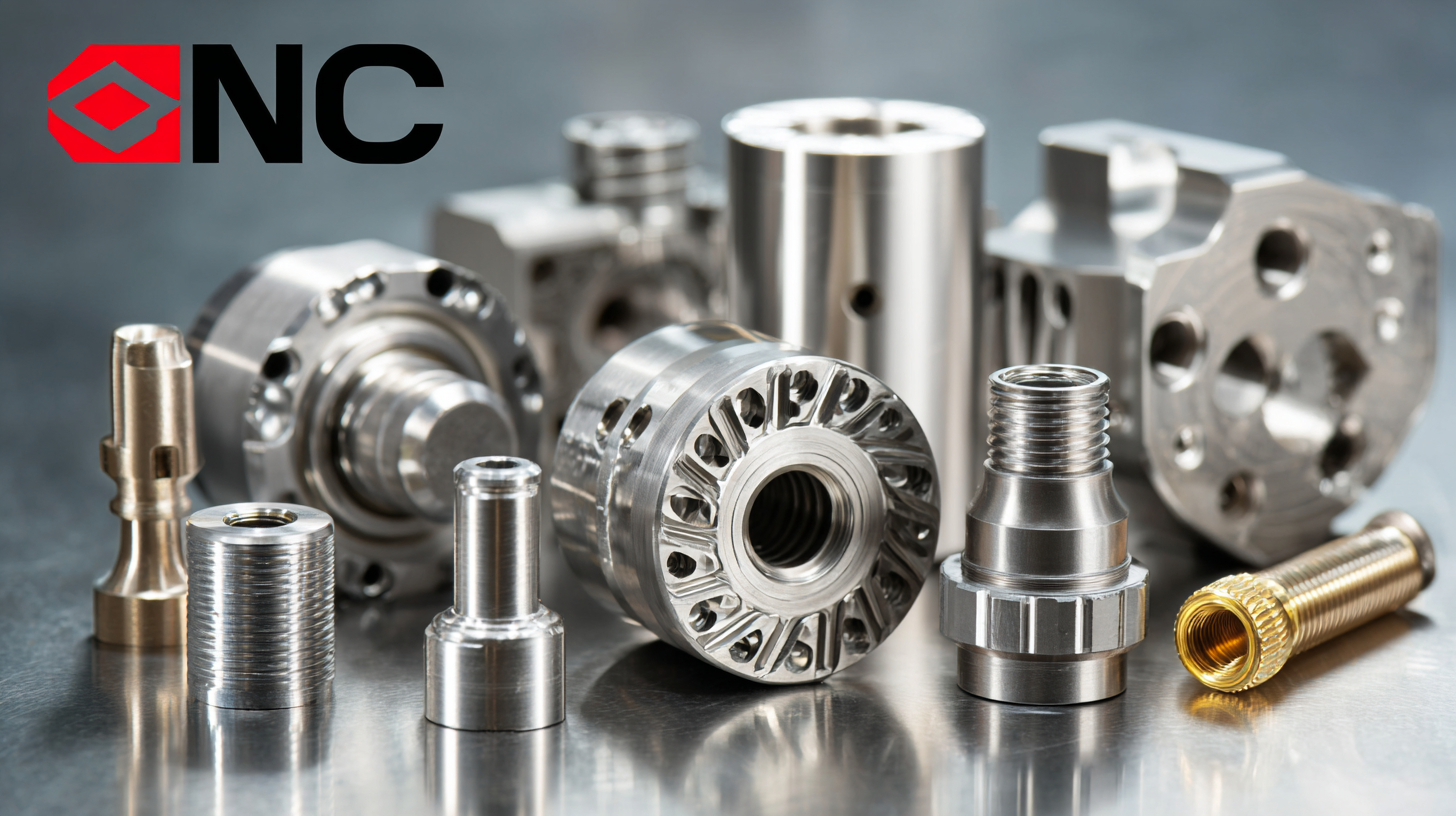
Cost vs. Performance: Choosing the Right Metal for Your Project
When it comes to picking the right CNC machining metal for precision engineering stuff, you really have to find a good balance between cost and performance. I recently read a report in the International Journal of Advanced Manufacturing Technology that dives into this. It turns out materials like aluminum, steel, and titanium each have their own performance quirks that can really affect production costs.
For example, aluminum is great because it's easy to machine and doesn’t break the bank for low-stress applications. But, it doesn’t have the same tensile strength as stainless steel, which might make it not the best choice if you’re working in high-stress environments. On the flip side, titanium is fantastic for its strength-to-weight ratio, but, oh boy, the price tag can stretch your budget quite a bit. So, it's super important to really think through the specific needs of each project.
At Shengyi Intelligent Technology Co., Ltd., we’re all about providing custom CNC turning and milling parts that fit a wide range of engineering needs—no one-size-fits-all here! We’ve got a lot of experience in metal stamping and wire molding, which means we can offer top-notch solutions without skimping on quality. When you’re deciding on which metal to go with, you should also consider how long you expect the component to last and what kind of environment it’ll be working in. With our deep understanding of material properties, we’re here to help our clients make smart choices that boost both performance and cost-efficiency, leading to project success in the end.
Future Trends in CNC Machining Metals for Enhanced Precision Engineering
You know, the CNC machining world is really changing. There’s a clear shift towards using advanced materials for precision engineering, and it’s pretty exciting. They’re predicting that the global CNC machine market is going to grow a lot, jumping from about $101.22 billion in 2025 to nearly $195.59 billion by 2032. That’s some serious growth—9.9% annually! It just shows how the industry is adapting to new needs and tech advancements.
One big trend I’ve noticed is the use of new materials like titanium and its alloys. These guys are really coming into their own for precision engineering. They’ve got some awesome properties, like great strength-to-weight ratios and they resist corrosion like champs. Plus, the rise of additive manufacturing, or 3D printing, is shaking things up big time in how we make components. It’s offering designers this crazy level of freedom and efficiency with materials.
**A couple of tips:** When you’re choosing CNC machining metals for your projects, don’t just focus on the mechanical properties. Think about how well they’ll fit with your specific machining methods. Keeping an eye on up-and-coming technologies—like hybrid machining and the latest in additive manufacturing—will be super helpful too. And hey, always look for ways to streamline your supply chain for these innovative materials so you can keep up with production demands easily.
FAQS
: Common metals used in CNC machining include aluminum, stainless steel, and titanium, each offering distinct advantages based on application requirements.
Aluminum is favored for its lightweight properties, excellent machinability, and good corrosion resistance, accounting for approximately 35% of all CNC machined components.
Stainless steel offers superior strength and durability, making it ideal for applications in industries like aerospace, especially due to its reliability and increasing demand driven by safety regulations.
Titanium, although more expensive, provides an exceptional strength-to-weight ratio and performs well in high-temperature environments, making it valuable for medical implants and aerospace components.
Key mechanical properties to evaluate include tensile strength, ductility, hardness, and fatigue resistance, as they dictate performance and longevity in demanding environments.
Machinability affects production efficiency and cost; metals with high machinability can reduce tooling wear and increase manufacturing speed, leading to more cost-effective production.
It is advisable to consult suppliers or conduct material testing to verify that the chosen metal aligns with design requirements and performance expectations.
Considerations should include weight limitations, exposure to corrosive elements, and the need for specific machining precision based on the project requirements.