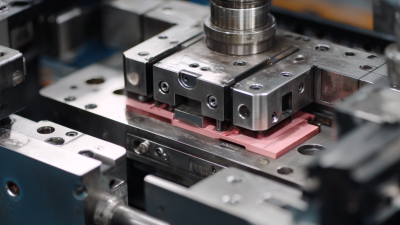
As industries keep changing and advancing, the need for precision-made components has really taken off—especially when it comes to Metal Stamping Parts. I recently read in a MarketsandMarkets report that the global metal stamping market is expected to hit around $299.6 billion by 2024, and it's growing at a steady rate of about 4.9% from 2019 onwards. This boom is mainly fueled by new manufacturing tech and the increasing demand for lightweight yet strong materials—think automotive, aerospace, and Electronics industries. AtShengyi Intelligent Technology Co., Ltd., we’re all about researching, developing, and producing top-quality metal stamping parts, along with CNC turning and milling parts, springs, and wire molding components. When it comes to picking the right metal stamping parts for your project, it’s super important to consider all the variables—like what materials work best, design specs, and your production capacity—to make sure everything functions smoothly and efficiently.
Understanding the Fundamentals of Metal Stamping: Key Techniques and Processes
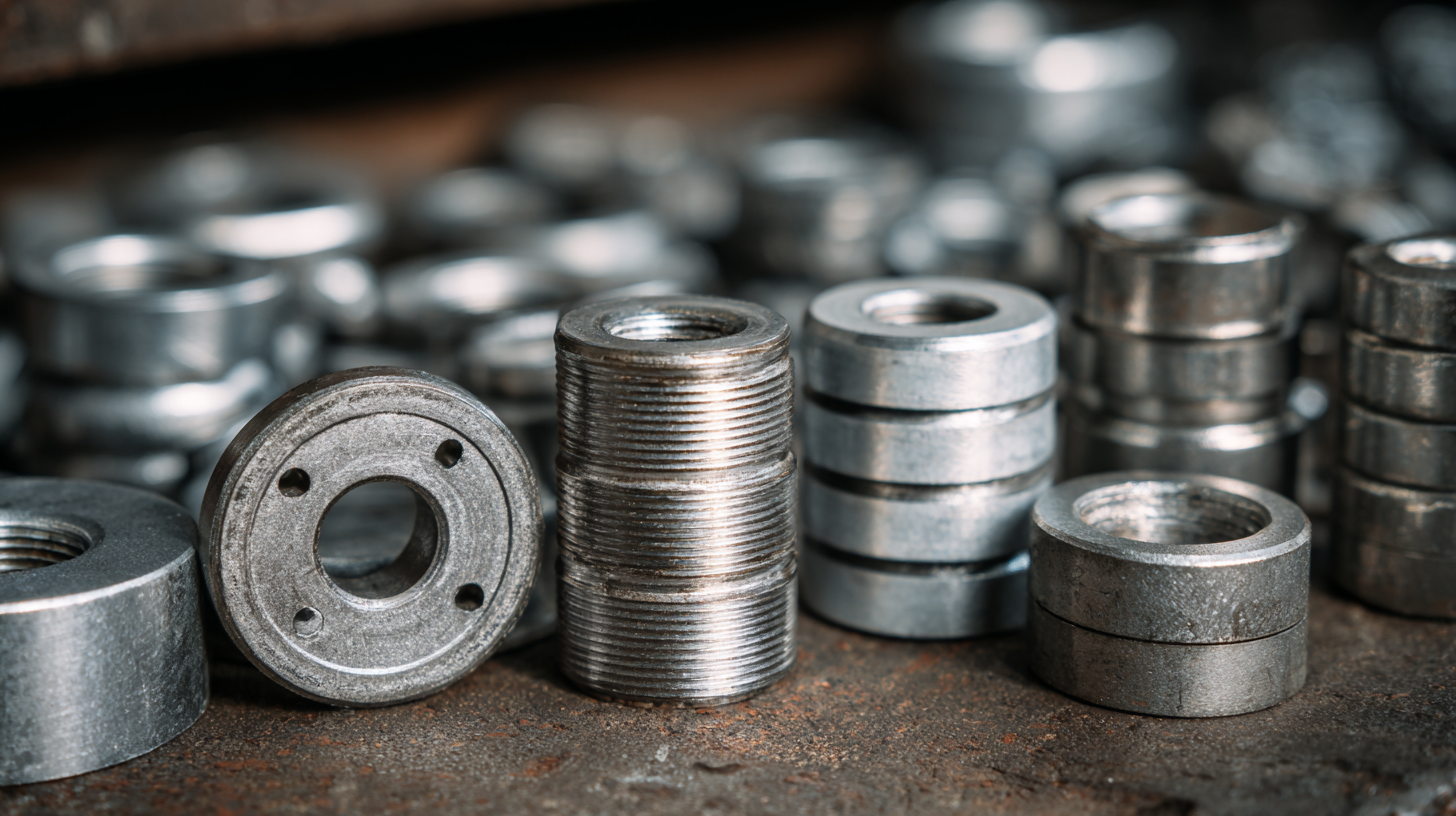
Metal stamping is pretty essential when it comes to manufacturing — it’s all about shaping metal using different techniques. Honestly, understanding these basics is super helpful when you're trying to pick the right parts for your project. The main methods you’ll hear about are blanking, piercing, bending, and embossing, and each one kind of gives your final product its own twist. For example, blanking is like cutting out a shape from a sheet of metal, while piercing is more about making holes or cutouts. Bending is when you change the angle or form of the metal, which comes in handy for certain designs, and embossing adds raised patterns—either for looks or added function.
On top of that, it's really important to think about what kind of metal you're using. Common choices include steel, aluminum, and brass—each with its own mix of strength, durability, and price. The material you pick doesn’t just affect how it looks, but also how easy and quick the production process is, plus how the finished piece performs in real life. If you get a good handle on these techniques and materials, you'll be able to make smarter decisions that really match what you need for your project.
Evaluating Material Selection: Choosing the Right Alloys for Durability and Performance
When you're choosing metal stamping parts for a project, it's super important to really think about the material. The right alloy can make a huge difference in how durable and performative your final product ends up being. I mean, different alloys have their own unique mechanical traits, and understanding these differences can totally impact the results. For example, did you know that the market for shape memory alloys is expected to nearly double—from around $14.8 billion in 2024 to an eye-watering $30.89 billion by 2031? That’s a pretty clear sign that there's a growing interest in materials that can remember their shape or spring back into place, especially in applications where resilience and adaptability are key?
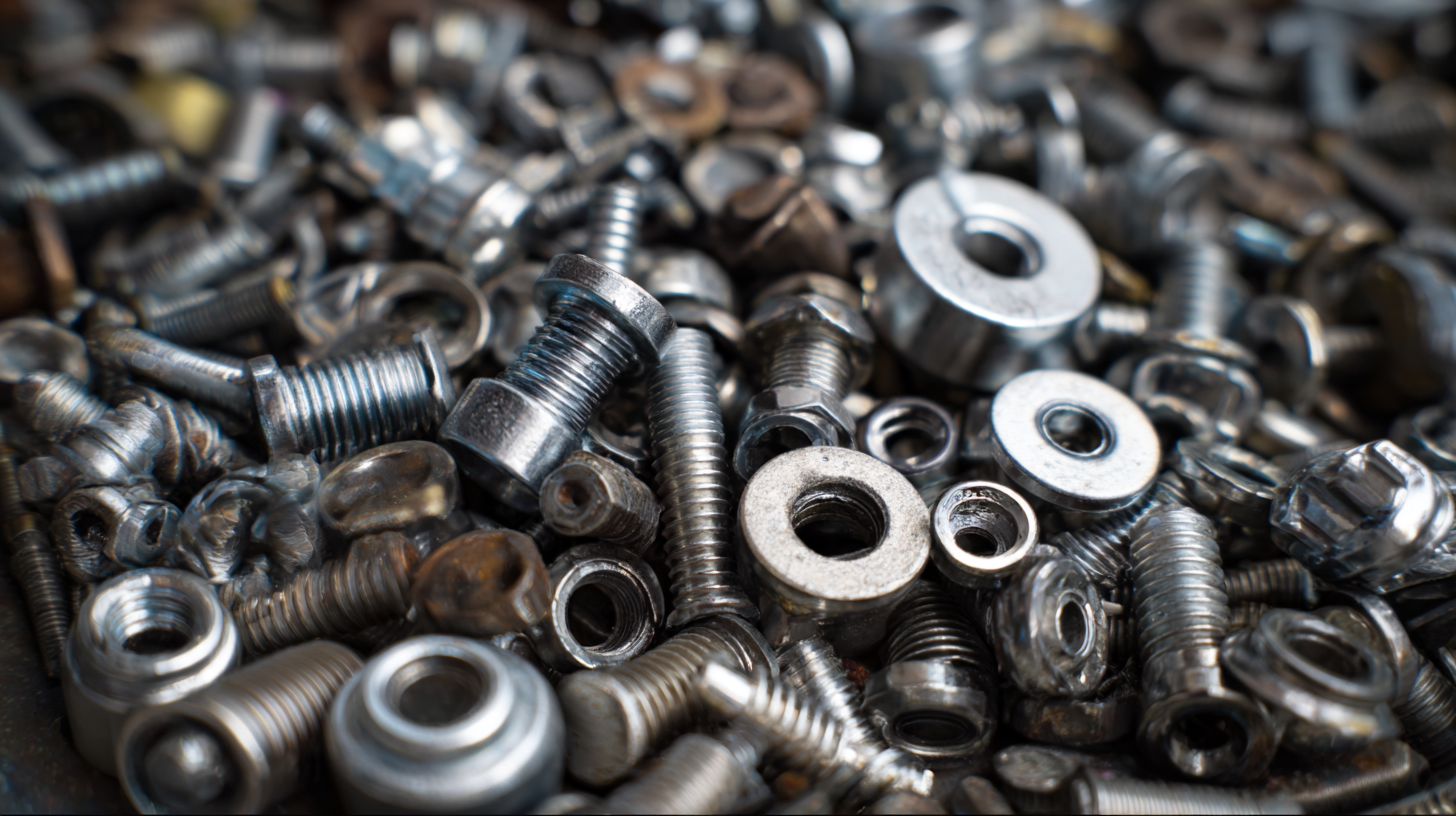
Plus, there are some pretty specialized alloys out there, like tungsten-copper composites, which bring some cool features to the table. The global market for these is expected to skyrocket from about $26.28 million in 2025 all the way up to $183.4 million by 2033. It seems like manufacturers are really keen on pushing the boundaries and investing more in advanced materials that excel in thermal and electrical conductivity. This trend toward developing new, better alloys shows a big drive for improving performance by carefully choosing the right materials. When engineers or designers make smart, informed decisions about what materials to use, they can be pretty confident their metal stamping parts will not only do their job well but last for the long haul, too.
Analyzing Design Specifications: How Tolerances Affect Functionality of Stamped Parts
When you're picking out metal stamping parts for your project, it’s really important to get a good handle on the design specs—especially how tolerances can impact how well everything works together. Tolerances, you know, are basically the allowable gaps or variations in the size of a part. They directly affect whether the component will fit and perform properly in an assembly. If you’re working on something high-performance—like in aerospace or automotive stuff—you might need pretty tight tolerances to keep everything running smoothly. But for less critical jobs, you can probably get away with looser tolerances without risking the overall performance.
Also, don’t forget that your choice of material and stamping method can play a big role in the tolerances you can achieve. Some metals have unique properties that can either make stamping easier or more complicated. For instance, metals with really high tensile strength might require more precise machining to keep things within the right specs. When you're figuring out what you need, think about what the stamped parts will do and what your stamping service provider can handle—this way, you won’t end up paying more or waiting forever because of unrealistic tolerance expectations.
How to Choose the Right Metal Stamping Parts for Your Project Needs
| Part Name | Material Type | Thickness (mm) | Tolerance (mm) | Application |
| Bracket | Steel | 3.0 | ±0.05 | Automotive Assembly |
| Panel | Aluminum | 2.5 | ±0.03 | Electronics Housing |
| Cover | Stainless Steel | 1.5 | ±0.02 | Industrial Equipment |
| Shims | Copper | 0.5 | ±0.01 | Precision Instruments |
| Connector | Brass | 1.0 | ±0.02 | Electrical Components |
Assessing Production Volume: Balancing Cost Efficiency and Quality Control in Metal Stamping
When you're picking the right metal stamping parts for your project, it's pretty important to consider how much you're planning to produce. Finding that sweet spot between keeping costs down and ensuring top-notch quality can really make or break things. Did you know, according to a report by Grand View Research, the global market for metal stamping is expected to hit around $210.9 billion by 2025? Most of that demand comes from the auto industry and the growing trend of automation in manufacturing. This just goes to show why it’s so crucial to partner with a manufacturer who can scale up production as needed — all while keeping standards high.
At Shengyi Intelligent Technology Co., Ltd., we’re pretty good at making CNC turning parts, CNC milling components, and metal stamping pieces that fit a wide range of needs. Whether you’re looking at small or large runs, we’ve got you covered. Our advanced tech means we can produce super precise parts, perfect for industries that require tight tolerances and reliable performance. So, if you match your volume needs with our high-tech manufacturing, you’re looking at a solution that’s not only cost-effective but also up to your quality expectations — simple as that.
Exploring Finishing Options: Enhancements that Improve Aesthetics and Corrosion Resistance
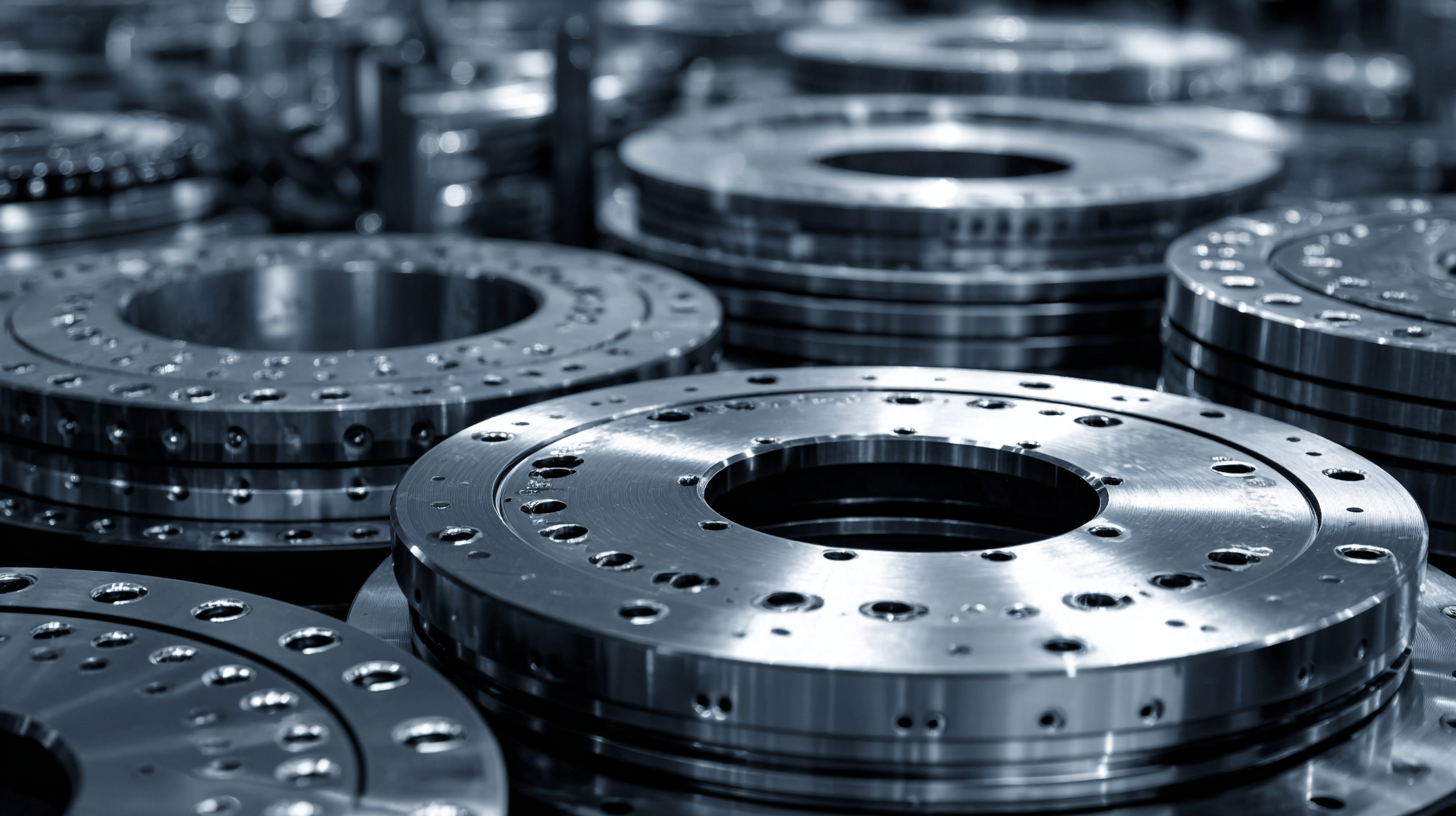 When it comes to metal stamping parts, the finishing options you choose are pretty important—they really make a difference in how the parts look and how well they perform. Picking the right finish can totally affect how these components stand up to different environments. For example, treatments like anodizing or powder coating aren’t just about giving a sleek look; they also add a protective layer that fights off rust and corrosion. Plus, these finishes come in lots of colors and textures, so designers can get creative with the vibe they want while making sure everything lasts longer, even in tough conditions.
And then there’s plating—things like zinc, nickel, or chrome plating—which not only look great but also boost protection against rust and wear. These are perfect if you're after durability. Some of the more advanced methods, like electroplating, can even give a really smooth, uniform finish that makes the final product feel just a bit more refined. All in all, by thoughtfully considering these finishing options, manufacturers can really customize their metal parts to look good and perform exactly how they need them to—sort of like tailoring the perfect suit for each project.
Identifying Tradeoffs: Weighing Customization Against Standardized Metal Stamping Solutions
When you're trying to decide on metal stamping parts for your project, it’s really important to think about the tradeoffs between going custom and sticking with standard options. Custom metal stamping has its perks — for example, it can be tailored to meet specific design needs and cater to unique functions. This personalized approach means the parts fit just right into your system, which can boost overall performance and make everything come together smoothly.
But, fair warning — custom solutions can get pretty pricey and might take longer to produce. It’s something to keep in mind if you're working within a tight timeline or budget.
On the flip side, standard metal stamping parts are usually cheaper and faster to get. They’re readily available, which can really cut down your lead times. The catch? It might be tricky to find a standard part that matches all your exact requirements. Sometimes, you end up with compromises in terms of performance or design, and that might impact your final product.
So, at the end of the day, it’s all about weighing these options carefully. Think about your budget, your timeline, and what your project needs most — that’ll help you decide what’s really the best fit.
Emerging Trends and Market Insights in the CNC Machined Stepped Metal Component Industry: A Comprehensive Analysis of Growth Factors and Innovations
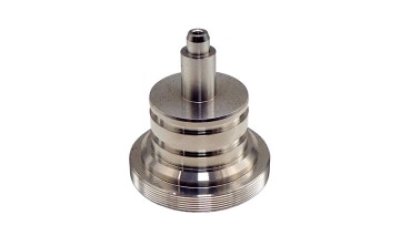
The CNC machined stepped metal component industry is witnessing significant advancements driven by emerging trends and innovative technologies. At the forefront of these developments are precision-turned components, which have become essential for specialized equipment across various sectors. These components feature a hierarchical cylindrical structure that allows for enhanced functionality and efficiency in assembly processes. The integration of advanced turning techniques ensures that these multi-stepped components meet rigorous quality standards, essential for maintaining operational reliability in high-demand applications.
One of the key facets of these innovations is the threaded base and precisely machined small-diameter top section, designed for seamless integration into sophisticated machinery. The meticulous engineering involved in crafting these components not only provides optimal performance but also addresses the growing need for lightweight yet robust materials. As industries continue to evolve, the emphasis on precision and adaptability in CNC machined stepped metal components becomes increasingly apparent, highlighting their role in facilitating new growth opportunities and market expansions.
FAQS
: When selecting materials for metal stamping parts, it's important to evaluate the mechanical properties of different alloys, as their differences can significantly impact durability and performance. Specialized alloys, like shape memory alloys or tungsten-copper composites, can enhance functionality, making informed material selection crucial.
The shape memory alloy market is expected to nearly double from $14.8 billion in 2024 to $30.89 billion by 2031, reflecting a compound annual growth rate of 11.09%, highlighting a growing interest in materials that offer resilience and adaptability.
Finishing options like anodizing or powder coating enhance aesthetics and provide corrosion resistance, while plating methods can improve wear resistance and visual appeal. These finishes can be customized to achieve desired colors and textures, contributing to the longevity of the parts.
Custom metal stamping solutions offer the advantage of meeting specific design requirements and unique functionalities, ensuring components fit precisely within the overall system, which enhances performance and integration.
Custom metal stamping can result in significant financial and time implications, often leading to longer lead times and higher costs compared to standardized solutions.
Standardized metal stamping solutions are more cost-effective and efficient, as they are usually readily available and can significantly reduce production times, which is beneficial for meeting tight deadlines.
The main challenge with standardized solutions is finding parts that precisely meet project specifications, which may require compromises in performance or design.
By carefully considering various finishing options, manufacturers can enhance both performance and aesthetics, ensuring that the metal stamping parts meet specific project needs effectively.
Material selection is crucial because it directly influences the durability and performance of the final product, helping engineers to ensure that the metal stamping parts fulfill both functional and long-term expectations.
Factors to consider include budget constraints, time limitations, and specific project specifications to ensure the best fit for project demands while making an informed decision.
Conclusion
When you're choosing metal stamping parts for your project, it’s really important to get a good understanding of the basic techniques and processes involved. I mean, stuff like selecting the right materials is a big deal—because the quality of the alloys you pick really affects how durable and reliable the final product will be. Also, paying close attention to the design specs and tolerances can make or break how well the parts work in real life, so it’s worth taking the time to analyze those details.
On top of that, thinking about your production volume is key—this helps you strike a balance between keeping costs down and making sure the quality stays high. Don’t forget, exploring different finishing options can really boost how good your parts look and help prevent rust or corrosion down the line. And it’s also a thing to consider: whether you want custom solutions or go with standardized ones, depending on what your project needs. At Shengyi Intelligent Technology, we’ve got tons of experience in these areas, offering complete solutions for metal stamping parts, plus our expertise in CNC turning, milling, and other manufacturing processes. Honestly, we’re here to help you find the right fit for your project.”