Starting a new project? One of the biggest decisions you'll face is picking the right components. Take Metal Stampings, for example—they're pretty vital across so many industries. I was chatting with David Thompson from Precision Metalworks recently, and he put it simply: “The quality of metal stampings can really make or break your project.” That says a lot about how important it is to choose wisely.
Think about what your project actually needs. Every type of metal stamping has its own perks, but honestly, the options can get a bit overwhelming. It's super important to weigh things like material, thickness, and design—pick the wrong combo, and you might end up wasting a lot of time and resources.
And don't forget to keep the long term in mind. Sure, a cheaper option might seem tempting, but if it doesn’t meet durability standards, you could be in trouble down the line. Steel your resolve (pun intended) and consider how these factors impact the final outcome. Making careful choices on these details will definitely pay off in the end!
Understanding Metal Stampings: Definition and Applications
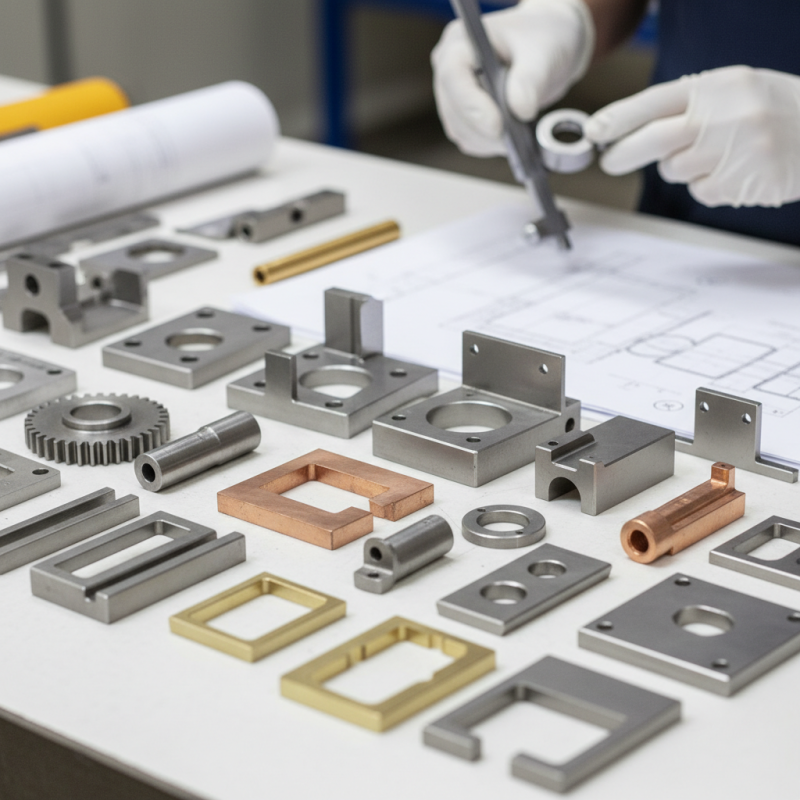
Metal stampings are essential components in various industries. They are created by pressing metal sheets into desired shapes. This process allows for intricate designs and precise dimensions. Understanding their definition and applications is crucial for any project.
In the automotive sector, metal stampings are used extensively. They form parts like brackets and panels. In electronics, metal stamps create Enclosures and connectors. Each application demands specific characteristics from the stampings. You may need to consider factors such asstrength and flexibility. ODM Metal Stampings offer custom solutions tailored to unique designs, but they also raise questions about cost and turnaround time.
Every project has its challenges. For instance, sourcing quality materials can be tricky. It can lead to production delays. Understanding the nuances of your application helps avoid these pitfalls. It's essential to reflect on your project needs and the potential trade-offs in material selection. Consider what works best for your design while balancing quality and cost.
Identifying Your Project Requirements for Metal Stampings
When planning your project, it’s essential to identify specific requirements for metal stampings. Begin by determining the material specifications. According to industry reports, steel and aluminum are among the most commonly used materials for stampings, but selecting the right alloy can influence durability and performance. For instance, high-strength low-alloy (HSLA) steel may be necessary for demanding environments.
Next, consider the thickness and complexity of the metal part. Different projects will require varying tolerances. Precision stampings often demand a thickness range of 0.5 mm to 3.0 mm. Complexity also affects manufacturing costs. A report by the Precision Metalforming Association suggests that simpler designs can save up to 30% on production expenses. However, don't overlook the value of intricate stampings, especially when they provide unique functional benefits.
Another critical factor is the volume of production. High volumes can justify the investment in custom dies, whereas lower volumes may benefit from standard tooling. Balancing cost and quality is crucial. Inadequate foresight in this aspect can lead to wastage. A failure to adapt your design to production capabilities can also result in unnecessary delays and increased costs. Understanding these requirements is vital for making informed decisions.
Exploring Different Types of Metal Stampings Available
When exploring different types of metal stampings for your project, it's vital to consider the specific requirements of your design. Various metal stampings serve unique functions. Some are thin and lightweight, while others are thick and robust. The complexity of your design may demand more intricate shapes, which can influence the type of stamping you choose.
OEM Metal Stampings are often utilized in industries like automotive and electronics. They provide precision and quality, which are essential for performance. However, not all options are perfect. Some may lack durability or the finish you desire. It’s important to assess the end-use of the product. Think about how the stamping will be employed. Will it endure harsh conditions? This reflection can guide you toward the right choice.
In addition to functionality, the aesthetic appeal of your stampings matters. Unique textures or finishes can enhance visual quality. Choosing a stamping that fits your brand identity is crucial. Yet, it can be easy to overlook this when focusing on specifications. Balancing performance with appearance requires careful thought and reflection on your project's overall goals.
Evaluating Material Options for Durability and Performance
Choosing the right metal stamping material is crucial for project success. Durability and performance are key factors when evaluating options. Different metals offer unique properties that can affect the overall function of the stamped parts. For instance, stainless steel is known for its corrosion resistance, while aluminum is lightweight and malleable.
When considering materials, think about the project's specific needs. A study by the Metal Engineering Association revealed that 40% of failures in metal components are due to inadequate material selection. This highlights the importance of choosing the right metal for your application. If your project requires high tensile strength, consider steel alloys. If you need excellent conductivity, copper could be the better option.
Tips for choosing materials include testing samples before making large orders. This can provide insight into how each metal behaves under stress or corrosion. Another tip is to consult with industry experts or engineers who have experience with specific materials. Don’t hesitate to ask questions about performance metrics. Sometimes, what seems like a perfect choice during research might fall short in practical applications. It's essential to reflect on these aspects before finalizing your material selection.
Assessing Cost Factors in Metal Stampings Selection
When selecting metal stampings for your project, assessing cost factors is crucial. The price of metal stampings can vary significantly. Material choice plays a vital role in the overall cost. Stainless steel may cost more, but it offers durability. Alternatively, aluminum is lighter and often less expensive.
Look into the production volume too. Large orders may reduce per-unit costs. However, smaller batches can increase prices due to setup and labor. This factor impacts budgets greatly. Consider the nuances of custom designs, as they may require additional resources. This can lead to higher expenses.
Tip: Always request multiple quotes from different Metal Stampings Factories. This will help in comparing prices and services effectively.
Moreover, evaluate the total cost of ownership. Sometimes, cheaper options may lead to higher long-term costs due to poor quality. Keep an eye on the manufacturing process as well. Understanding how the factory operates can reveal hidden costs. Precision in production might lead to better fitting parts, reducing waste and overall expenses.
Cost Factors in Metal Stampings Selection
Reviewing Manufacturing Processes for Precision and Quality
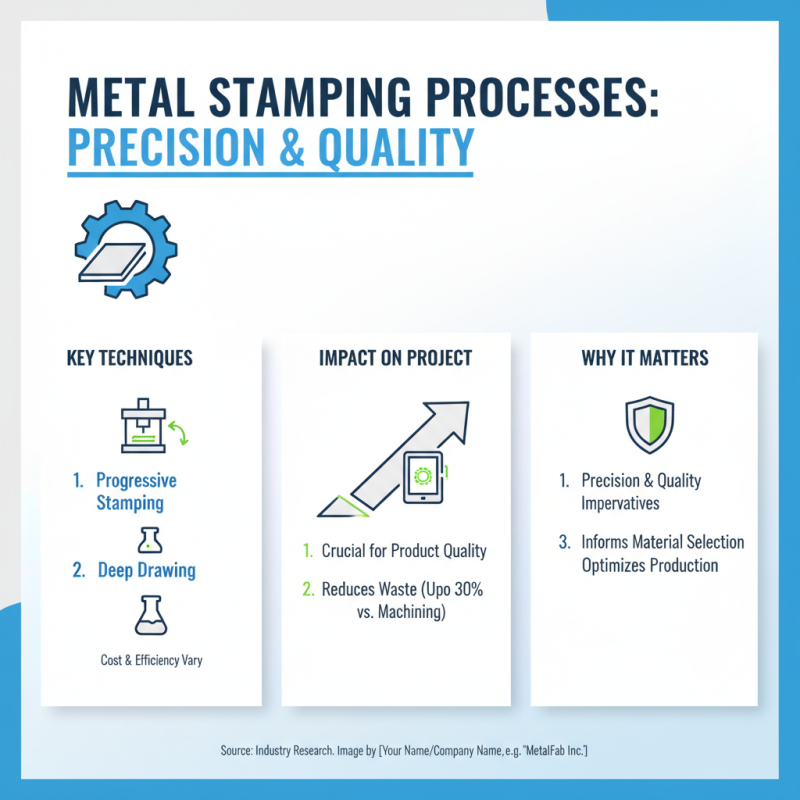
When selecting metal stampings for your project, understanding the manufacturing processes is crucial. Precision and quality are imperatives that directly impact the end product. The metal stamping process includes techniques like progressive stamping and deep drawing. These methods vary greatly in cost and efficiency. Research indicates that precision stamping can reduce waste by up to 30% compared to traditional machining methods.
The choice of materials also plays a significant role. Aluminum and stainless steel are popular due to their excellent strength-to-weight ratios. However, the wrong material choice can lead to issues. A study by the Fabricators & Manufacturers Association found that nearly 15% of projects fail due to material inconsistencies. Attention to detail in material selection ramps up the likelihood of success.
Quality control measures should not be overlooked. Statistical Process Control (SPC) can minimize production fluctuations. Implementing automated inspection can also bolster quality assurance. Yet, some manufacturers still experience discrepancies. In fact, industry reports show that up to 20% of stamped parts may not meet specifications. This highlights the importance of continuous improvement and reflection on manufacturing processes.
Choosing a Reliable Supplier for Your Metal Stampings Needs
Choosing a reliable supplier for your metal stampings needs is crucial for your project's success. The quality of your final product often depends on the expertise and reliability of your chosen Metal Stampings Company. Start by identifying suppliers with a solid history in your industry. Ask for references and check their previous work. Look for those who have experience with similar projects.
Tips: Always evaluate the supplier’s certifications. Quality control processes matter. A company with robust quality assurance often has fewer defects in their products. Also, pay attention to their communication style. A responsive supplier can make a difference during challenging phases of your project.
Consider other factors, such as delivery times and customer service. A great Metal Stampings Company should meet deadlines without sacrificing quality. Reflect on your past experiences with suppliers. Did they meet your expectations? Were there misunderstandings? Learning from these reflections can guide your next choice. A well-chosen partner can elevate your project significantly.
The Ultimate Guide to Enhancing Your Writing Experience with a Stylish Metal Pen Clip
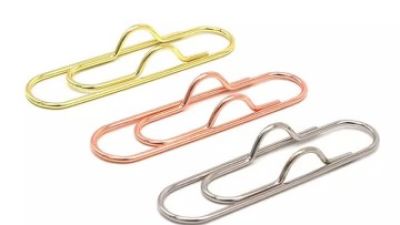
In today's fast-paced world, where digital communication often overshadows traditional writing, the tangible act of writing with a quality pen remains an art form. This is where the addition of a stylish metal pen clip can significantly enhance your writing experience. Designed for both functionality and aesthetic appeal, these clips offer outstanding elasticity and durability. According to industry studies, accessories like metal pen clips can improve user satisfaction by up to 30%, as they provide a secure way to attach pens to notebooks or folders without compromising the integrity of the writing instruments or the surfaces they adhere to.
The precision manufacturing of metal pen clips ensures that they not only hold pens firmly but also protect them from damage during transport. A survey conducted by a leading stationery market research firm indicates that a staggering 70% of professionals consider clip quality as a critical factor when selecting writing tools. With an elegant design, these clips seamlessly bridge the gap between practicality and style, allowing users to express their personal tastes while benefiting from enhanced functionality.
Beyond their aesthetic value, metal pen clips contribute to better organization, making it easier for writers to access their favorite pens quickly. This functionality is particularly crucial in environments where creativity and efficiency are paramount. As the demand for quality writing instruments remains steady, incorporating a metal pen clip is a simple yet effective means to elevate your writing experience, marrying form with function in an elegant package.
FAQS
: You can ask about topics like health, lifestyle, and personal development. Keep it relevant.
Look for sources that offer practical tips. Research multiple viewpoints to get a balanced view.
Not all online content is accurate. Always verify facts with credible sources.
Consider both pros and cons. Reflect on past choices to identify patterns.
Take a moment to breathe. Journaling your thoughts might provide clarity.
Yes, asking for help can be a sign of strength. It shows you're willing to improve.
Engage in activities you enjoy. Regular exercise also helps reduce stress levels.
Everyone makes mistakes. Reflect on what went wrong and learn from that experience.
Practice gratitude daily. Positively framing situations can reinforce a healthier mindset.
It encourages personal growth. Self-reflection helps you understand your emotions and decisions better.
Conclusion
When selecting the best metal stampings for your project, it's important to first understand what metal stampings are and their various applications. Take the time to identify your specific project requirements, as this will guide you in choosing the appropriate type of metal stampings that align with your needs.
Next, consider the different types of metal stampings available, along with material options that will ensure durability and performance. Cost factors also play a crucial role in the selection process, so be sure to evaluate these aspects thoroughly. Additionally, reviewing the manufacturing processes used for precision and quality can significantly impact the success of your project. Finally, choosing a reliable supplier will ensure that your metal stampings meet the highest standards, ultimately contributing to the overall success of your endeavor.