Picking out the right materials for your custom metal stampings isn't just a minor detail — it's a pretty big deal that can really affect how good the final product turns out, how long it lasts, and how it performs overall. Here at Shengyi Intelligent Technology Co., Ltd., we’ve been in the game for a while, specializing in CNC turning and milling parts, metal stamping, Springs, and even wire molding. We totally get that every industry has its own set of standards and needs, so choosing the right material isn’t just about the specs. You have to think about things like strength, weight, and how well it resists rust, but also where and how you're gonna use the stamped parts. This guide is aimed at helping you sort through all the options, making sure you stick to industry standards — so your projects not only do their job but also tick all the box for quality and compliance.
Understanding Industry Standards for Custom Metal Stampings Selection
When you're choosing materials for custom Metal Stampings, it's really important to get a good grasp of the industry standards that come into play. Different sectors have their own must-haves — like durability, resistance to corrosion, and specific mechanical features — and those things often influence what materials you pick. For example, in the automotive world, they tend to go for super strong materials that can handle rough conditions, while in electronics, lightweight and good conductivity are more the name of the game. By making sure your material choices line up with these standards, you’re not just staying compliant, but also ensuring your stamped products perform their best.
Here at Shengyi Intelligent Technology Co., Ltd., we’re all about developing and manufacturing a variety of metal parts, including custom stampings made to meet the tight demands of different industries. Our know-how in CNC turning and milling, plus our solid understanding of materials and standards, helps us deliver solutions that often go beyond what our clients expect. When we bring industry standards into our processes, we’re able to guarantee that our products are reliable and efficient in their intended uses — basically, they’re built to perform and last.
Evaluating Material Properties: Strength, Durability, and Conductivity Criteria
When you're choosing materials for custom metal stampings, it's pretty important to consider industry standards, especially things like strength, durability, and conductivity. According to the folks over at ASTM, materials such as stainless steel and aluminum are often the go-to choices because they strike a good balance between strength and weight. For example, 6061 aluminum has a yield strength of around 40,000 psi, which makes it perfect if you're after something lightweight but still strong enough for many applications. On the other hand, stainless steel—particularly grades 304 and 316—is much stronger, with tensile values around 70,000 psi, so it’s better suited for tougher environments.
Durability is another biggie, especially if the parts are going to face harsh conditions. ISO standards highlight how corrosion resistance is a must-have for applications in marine or chemical industries. Stainless steel really shines here, with resistance ratings that can go over 12% depending on the conditions. As for electrical stuff, conductivity becomes key. Materials like copper and aluminum are popular because they conduct electricity really well. Copper, in particular, has the highest electrical conductivity, sitting at about 59.6 million Siemens per meter—perfect for reliable electrical connections. All in all, it's crucial to pick the right material based on these standards to make sure your stamped parts perform well and last a long time.
Comparative Analysis of Common Metals Used in Custom Stampings
When you're choosing materials for custom metal stamping, it's pretty important to get a feel for the different metals and what they’re good at. For example, steel, especially cold-rolled steel, is super popular because it’s strong and versatile — you can rely on it for a whole bunch of things. Plus, it resists wear really well and can be machined easily, which makes it a favorite for many applications. On the flip side, stainless steel tends to be the go-to when corrosion resistance and durability are key, like in food processing or pharma industries where keeping things hygienic is a must.
Then you've got aluminum and copper, which are also big players in the stamping world. Aluminum’s lightweight, resists rust, and conducts electricity pretty well — all reasons it’s often used in cars and airplanes. Copper, on the other hand, excels because it’s an awesome conductor of heat and electricity, making it crucial for electrical parts and heat exchangers. But here’s the deal — each metal has its own set of unique traits, so you’ve gotta match those up with what your end product needs, whether it's strength, weight, or environmental factors. That way, you’re more likely to get something that performs just right in the end.
Cost Efficiency vs. Performance: Balancing Material Choices in Manufacturing
In today's manufacturing world, choosing the right materials is pretty crucial. It’s all about finding that sweet spot between keeping costs down and making sure performance stays top-notch—especially with lightweight materials, which are really gaining traction these days. If you look at the global market, lightweight materials are currently valued at around $137 billion in 2023, and experts expect that number to climb to roughly $143 billion by 2024. And the growth isn’t stopping there — we’re talking about an annual increase of about 5.15% up until 2031. Manufacturers are on the lookout for options that are both affordable and high-performing, aiming to get the best quality without breaking the bank.
That said, some industries, like solar tech, are running into their own set of issues. They’re pushing hard to improve performance, but reliability keeps giving them headaches. With solar cell tech evolving so rapidly, controlling costs is more important than ever. Still, component failures are not uncommon — a surprisingly high 83% of manufacturers report at least one testing failure. That really puts the dilemma into focus: do you go for pricier materials that boost performance, or do you stick to cheaper options that might not be as reliable? It’s a tricky balancing act. So, for manufacturers working with custom metal stampings, understanding industry standards is a must. It helps make sure they pick the right materials—striking that perfect balance between saving money and ensuring top performance.
Impact of Environmental Regulations on Material Selection for Stampings
When you're choosing materials for custom metal stampings, it’s really important to keep industry standards and environmental regulations in mind. These rules can actually have a big impact on what materials you end up selecting, often nudging manufacturers toward more sustainable options. Companies like Shengyi Intelligent Technology Co., Ltd. are well aware of this—they focus on making sure their materials not only meet quality standards but also stay within environmental guidelines.
A good tip? Think about what your final product needs—like strength, flexibility, or resistance to rust—and pick your materials accordingly. It’s also smart to choose suppliers who really prioritize eco-friendly practices. And don’t forget to get familiar with industry-specific regulations like REACH or RoHS; knowing these can help you pick materials that tick all the boxes for compliance and sustainability.
Working with experienced manufacturers can make all the difference, too. Shengyi Intelligent Technology, for example, has tons of expertise dealing with different materials, so they can help ensure your metal stampings aren’t just compliant but also built for top performance in your specific industry. When you keep environmental impact in mind, your business can lead the way toward more sustainable manufacturing—while still hitting all those industry benchmarks.
Best Practices for Sourcing Quality Materials in the Metal Stamping Industry
When you're sourcing materials for custom metal stampings, it’s pretty important to stick to industry standards. Why? Because that’s the best way to make sure your final product is top-notch in quality and performs well. Getting a good handle on what specifications are needed for different kinds of applications can really make a difference when you’re picking your materials. Plus, tailoring your choice of materials to suit specific industry requirements doesn’t just improve durability and functionality — it also keeps you compliant with regulations.
Here’s a little tip: always try to source materials that meet or even surpass industry certifications. That way, you're not just assuring quality but also reducing the risks that come with non-compliance. It’s smart to work with trusted suppliers who can provide documentation and traceability — it really adds an extra layer of confidence.
Another thing to consider is evaluating the mechanical properties of the materials you’re thinking about. Think about things like tensile strength, ductility, and resistance to corrosion — especially depending on where your stamped parts will be used.
And here’s a pro tip: buddy up with engineers and your design team to really understand how your parts will be used. This way, you can pick materials that perform their best under specific conditions. Spending a little extra on high-quality materials upfront might seem costly at first, but it pays off in the long run with better durability and overall savings.
Material Selection for Custom Metal Stampings
Exploring the Benefits and Applications of CNC Precision-Machined Metal Components in Modern Manufacturing
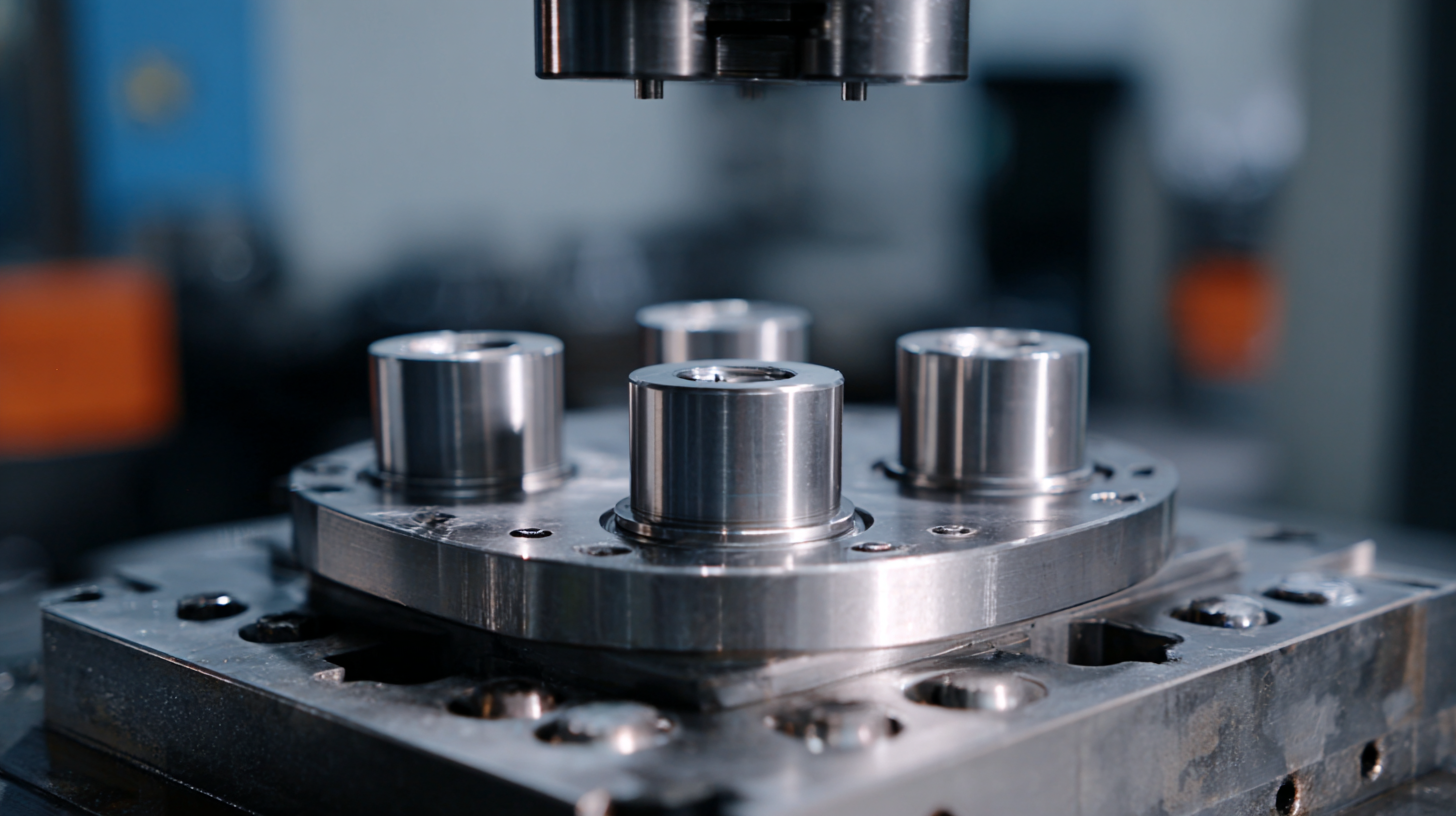
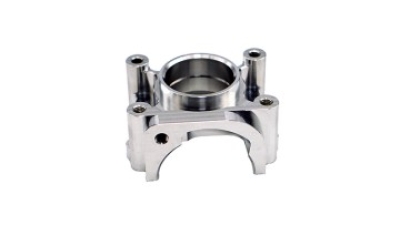
CNC precision-machined metal components are revolutionizing modern manufacturing by offering unparalleled benefits for various industrial applications. These components are meticulously crafted using advanced CNC machining techniques, which allow for a high degree of customization and precision. With tolerances controlled to within ±0.01mm, manufacturers can ensure that each part fits flawlessly into complex assemblies, enhancing the overall quality and performance of products.
The intricate, multi-feature design of these components provides significant advantages in functionality and efficiency. The smooth metallic finish not only contributes to aesthetic appeal but also minimizes friction in mechanical systems, which is essential for high-performance applications. Industries ranging from aerospace to automotive are increasingly relying on these precision-engineered components, as they enable the production of innovative designs that were previously unattainable with traditional manufacturing methods. As the demand for precision and reliability continues to grow, CNC machining stands out as a critical technology in achieving excellence in metal component fabrication.
FAQS
: When selecting materials, it's crucial to evaluate strength, durability, conductivity, and how these align with industry standards and specific requirements of the end product.
Commonly used materials include stainless steel and aluminum. Stainless steel, particularly grades 304 and 316, is favored for its high tensile strength, while aluminum, like 6061, is chosen for its excellent strength-to-weight ratio.
Industry standards dictate specific requirements like durability and corrosion resistance, ensuring that the selected materials comply with regulations and enhance product performance in their intended applications.
Environmental regulations encourage manufacturers to choose sustainable materials while ensuring compliance with quality demands, promoting eco-friendly practices in the manufacturing process.
Tips include assessing the end product's requirements, considering eco-friendly sourcing, and understanding specific industry regulations such as REACH or RoHS.
Shengyi Intelligent Technology Co., Ltd. integrates industry standards into its manufacturing processes, focusing on material properties and compliance to deliver reliable and efficient metal stamping products.
Durability and corrosion resistance are critical, especially in harsh environments, to ensure the longevity and performance of materials used in custom metal stampings.
Conductivity is essential for electrical applications, where metals like copper and aluminum are preferred due to their high electrical conductivity, ensuring optimal performance in electrical connections.
Collaborating with experienced manufacturers, like Shengyi Intelligent Technology Co., Ltd., can streamline the selection process, ensuring materials are compliant and optimized for performance in specific industries.
The yield strength of 6061 aluminum is approximately 40,000 psi, making it suitable for applications requiring lightweight yet strong components, especially in the automotive and aerospace industries.
Conclusion
Choosing the right materials for custom metal stampings is super important if you want the parts to perform well and stay compliant with industry standards. It’s really helpful to understand what different industry requirements are, so you can pick materials that tick all the necessary boxes. When you're evaluating options, keep in mind things like strength, durability, and conductivity — these really make a big difference in the overall quality and how well the stamped parts work.
On top of that, doing a side-by-side comparison of common metals used in custom stampings can give you a clearer picture of the trade-offs between cost and performance. And, of course, environmental rules and regulations shouldn’t be overlooked — sourcing the right materials with this in mind is key. Shengyi Intelligent Technology Co., Ltd. is all about following best practices in material procurement to make sure we produce top-notch custom metal stampings that meet both customer expectations and regulatory standards. It’s all about finding that balance between quality, compliance, and cost-efficiency.