When it comes to today’s manufacturing scene, picking the right metal for Stamping is honestly a game-changer. It can make all the difference in getting good quality and efficiency in your production. I was reading a recent industry report from Grand View Research, and it caught my eye — they’re estimating the global metal stamping market will hit around $308 billion by 2025. A big part of that growth? The rising need for precise parts in industries like automotive, aerospace, and Electronics.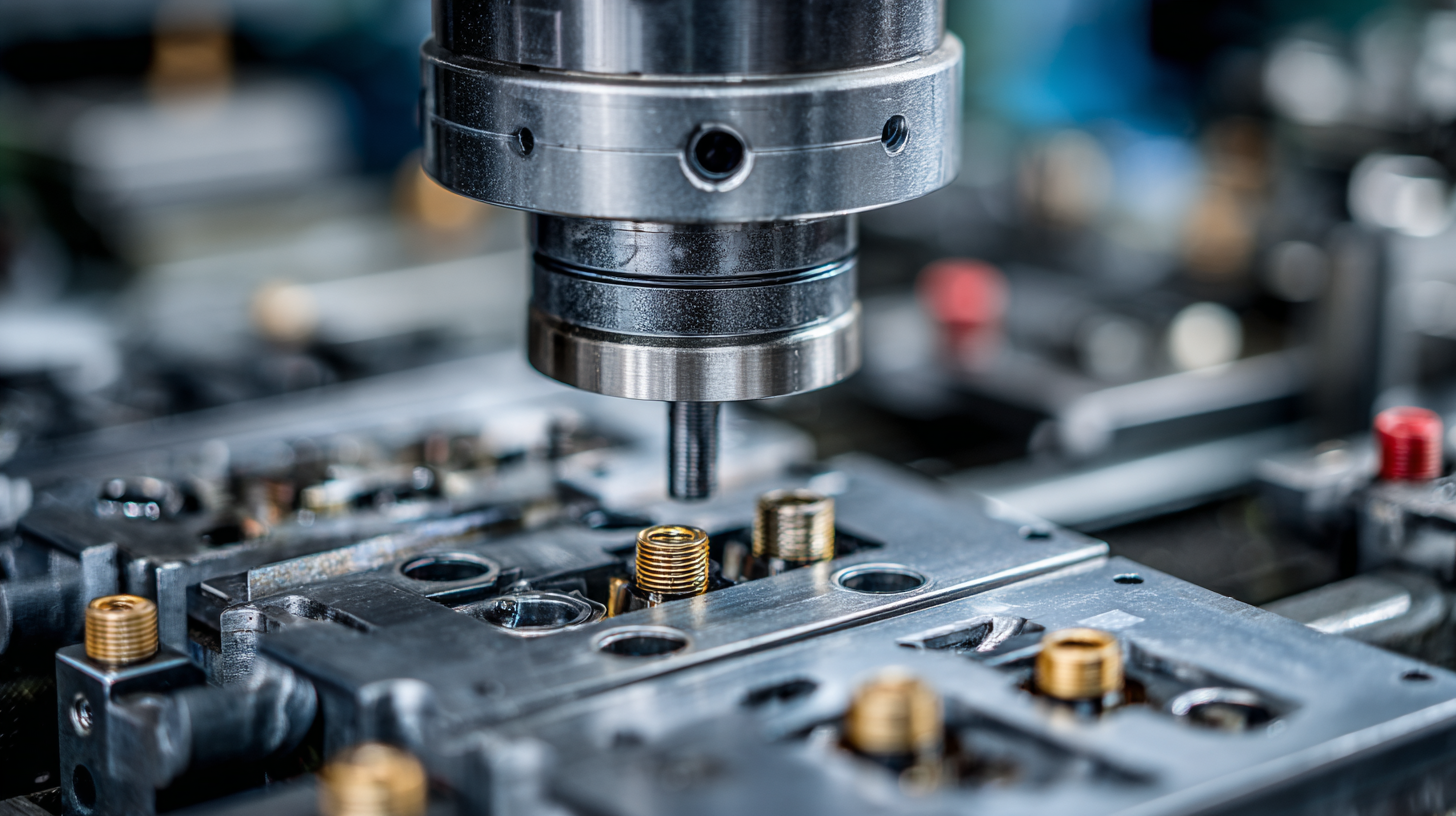 At Shengyi Intelligent Technology Co., Ltd., we’re experts in making Cnc turning parts, CNC milling components, metal stamped pieces, springs, and wire molding products. We totally get that choosing the right metal isn’t just about durability — it also affects costs and how quickly you can deliver. With options like aluminum, steel, and brass, each bringing their own perks, it’s super important for manufacturers to carefully weigh their choices so they can keep up with demand and keep their processes running smoothly.
Understanding the Different Types of Metals Used in Stamping Processes
When you're trying to pick the right metal for stamping in manufacturing, it's pretty important to get a good handle on the different types out there. Each metal comes with its own set of properties, and those can really impact how the finished product turns out—like its quality and performance. You’ve probably heard of metals like steel, aluminum, brass, and copper—they're the main players, each offering their own perks and occasional challenges. Interestingly, a recent report by Smithers Pira predicts the global metal stamping market will hit around 209 billion USD by 2025. That really highlights just how crucial choosing the right material is if you want things to be efficient and cost-effective.
For example, steel, especially carbon steel, is a favorite because it’s strong and durable. The American Iron and Steel Institute (AISI) mentions that carbon steel offers high tensile strength and good formability, which makes it perfect for those detailed stamping jobs. On the flip side, aluminum is usually preferred because it’s lightweight and resists corrosion pretty well. Plus, demand for aluminum is expected to grow around 4% each year, according to a recent market study by Grand View Research. Knowing these little details about each material helps manufacturers not only streamline their production but also end up with a final product that works better and lasts longer.
Factors to Consider When Choosing Metal for Stamping Applications
When you're choosing the right metal for stamping projects, there are a few key things you'll wanna keep in mind to make sure everything runs smoothly and the final product turns out great. First off, the mechanical properties of the metal are super important. For example, options like steel and aluminum each have their own strengths, flexibility, and how easily they can be shaped—these differences can really influence how the stamping process goes. According to the Metal Forming Association, going for high-strength steel doesn't just make the stamped parts more durable, but it also helps cut down on weight. That’s a pretty big deal these days, especially in industries like auto manufacturing where reducing weight means better fuel efficiency.
Another thing to think about is how well the metal works with the stamping process itself—things like thickness and how nice the surface looks. Take stainless steel, for example. It’s popular because it resists rust and looks good, which is important when you need a sleek finish and something that lasts. The National Association of Manufacturers notes that stainless steel parts hold up well in tough environments, so they last longer and can save you money in the long run. Of course, you also gotta consider costs. While high-performance alloys might be the way to go performance-wise, they can also bump up your expenses for materials and processing. So, finding that balance between quality and budget is key to getting the best results without breaking the bank.
Evaluating Strength and Durability Requirements for Stamped Parts
When you're choosing the right metal for stamping, it’s pretty important to keep the strength and durability of the final parts in mind. Basically, the metal needs to handle the stresses it'll face in its actual use. For example, if those stamped parts are gonna take a lot of heavy loads or be used in rough environments, materials like high-strength steel or aluminum alloys are often the way to go — they have great tensile strength and aren't so easy to deform. It’s a good idea to think about the conditions they'll be exposed to, like temperature swings or exposure to corrosive stuff, just to make sure the metal can handle everything without losing its integrity.
On top of that, the way you manufacture those parts also plays a role in how durable they’ll be. The metal you pick should not only be strong but also easy to work with for stamping without sacrificing quality. For instance, softer metals might be a lot easier to shape, but they might not cut it for tough applications where strength matters more. Conversely, harder metals can help your tools stay in good shape longer and resist wear during production. In the end, balancing how strong and durable the material is with how easy it is to work with is usually the best approach — it just leads to better parts that perform well for what they’re designed for.
How to Choose the Right Metal for Stamping in Your Production Process - Evaluating Strength and Durability Requirements for Stamped Parts
| Metal Type | Yield Strength (MPa) | Tensile Strength (MPa) | Durability Rating (1-10) | Corrosion Resistance | Typical Application |
| Steel | 250 | 400 | 8 | Moderate | Automotive Parts |
| Aluminum | 150 | 300 | 7 | High | Aerospace Components |
| Copper | 210 | 350 | 6 | Very High | Electrical Connectors |
| Stainless Steel | 300 | 550 | 9 | High | Kitchen Equipment |
| Titanium | 400 | 800 | 10 | Moderate | Medical Implants |
Cost-Effectiveness: Balancing Material Quality and Budget
When you're choosing the right metal for stamping in your production process, it's really important to think about the balance between cost and quality. Basically, you want a material that's good enough without breaking the bank. I read a report from the Freedonia Group, and it said that demand for metal stamping in the US is expected to grow around 3.5% each year. This growth is mainly coming from industries like automotive and electronics—places that really care about efficiency and producing top-notch products. Picking the right material isn’t just about making the final product strong; it also affects how much you spend during production.
Now, metals like stainless steel and aluminum might cost more upfront, but they often pay off in the long run because they’re so durable and resistant to wear and tear. There’s even a study from the International Journal of Production Economics which points out that companies willing to invest a bit more initially in higher-quality materials can actually save about 20% on maintenance and replacements over the lifespan of the product. So, it really pays to do your homework—look at the properties and think ahead about the costs—to find that sweet spot where quality and budget meet comfortably.
The Role of Metal Thickness and Formability in Stamping
When you're trying to pick the right metal for stamping in industrial stuff, it’s pretty important to get a good handle on how thick the metal is and how easily it can be shaped. I mean, the thickness not only influences how strong and durable the metal is, but it also plays a big role in how smooth or difficult the stamping process might be. I came across a report from Grand View Research that mentioned the demand for precise metal stamping is actually expected to shoot up, thanks mainly to industries like automotive and electronics. In those fields, choosing the right metal can really make or break the performance and reliability of the final product. Now, thicker metals tend to last longer and stand up better, but they often need tougher tools and more energy when being stamped—so, of course, that bumps up the costs and makes things a bit more complicated.
Another key thing to think about is formability, which basically means how easily a metal can be bent or stretched without breaking. Metals like aluminum or certain kinds of steel are pretty flexible and lend themselves well to these kinds of shaping processes. A study in the Journal of Materials Processing Technology pointed out that using metals with good formability doesn’t just make life easier but also helps cut down on waste and boosts overall yield—so it’s a real win financially. All in all, finding the right balance between thickness and how easily the metal can be shaped is super important. It helps manufacturers hit that sweet spot between quality and efficiency without breaking the bank or losing deadlines.
Sustainability Considerations in Selecting Stamping Materials
These days, when it comes to manufacturing, sustainability isn’t just a buzzword anymore — it’s really a key factor, especially when you're choosing materials for stamping. More and more companies are trying to go green, and picking metals that are better for the environment can make a big difference in reducing your company's carbon footprint. Did you know that, according to the World Economic Forum, processes like metal stamping make up about 7% of all global greenhouse gas emissions? That number really highlights just how important it is to pick metals that not only get the job done but also support sustainability goals.
At Shengyi Intelligent Technology Co., Ltd., we’re all about making eco-friendly choices. We focus on sourcing recyclable metals and use energy-efficient machining methods for manufacturing our CNC turned parts, CNC milled parts, and metal stamping components. For example, using materials like aluminum or lightweight steel can help cut down on energy use, thanks to their great strength-to-weight ratio. In fact, the Aluminum Association notes that recycling aluminum can save up to 95% of the energy needed to produce new aluminum from scratch. That’s a huge win — it cuts emissions and still makes good business sense because today’s consumers are really into products that are sustainable.
If manufacturers take the time to thoughtfully pick their materials, they’re not just helping the planet — they're also boosting product performance and showing that eco-friendly and efficient manufacturing can go hand in hand. It’s all about balance, after all, right?
The Essential Guide to CNC Machined Stepped Metal Components: Applications, Benefits, and Best Practices
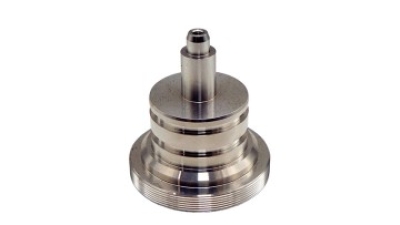
CNC machined stepped metal components play a vital role in modern manufacturing, especially in specialized equipment where precision and functionality are paramount. These components, known for their hierarchical cylindrical structures, are manufactured using advanced CNC turning processes that ensure high accuracy and repeatability. The threaded base and meticulously machined small-diameter top section are engineered to meet stringent assembly requirements, making them ideal for applications that demand reliability and durability.
The benefits of CNC machining for stepped metal components extend beyond precision; they also include enhanced material properties and reduced production waste. By utilizing advanced machining techniques, manufacturers can create intricate designs that optimize performance and minimize the weight of the final product. This is particularly crucial in industries such as aerospace and automotive, where even minor improvements can lead to significant efficiency gains. With best practices in CNC machining, including careful selection of materials and thorough quality control, these components can be produced to meet the highest industry standards.
FAQS
: Mechanical properties such as strength, ductility, and formability are crucial when selecting metal for stamping applications.
High-strength steel enhances the durability of stamped components and reduces total weight, which is important for achieving fuel efficiency in automotive applications.
Compatibility includes considerations like thickness and surface finish, which significantly impact the efficiency of the stamping process and the quality of the finished product.
Stainless steel is known for its corrosion resistance, making it ideal for applications that require an aesthetic finish and prolonged longevity in harsh environments.
Higher-performing metals, such as high-strength alloys, may come with increased material and processing costs, necessitating a balance between performance and financial feasibility.
The metal should withstand operational stresses, including heavy loads, temperature fluctuations, and exposure to corrosive substances, ensuring that it maintains integrity without compromising quality.
The selected metal needs to facilitate efficient stamping while ensuring adequate strength. Softer metals may be easier to work with but may lack necessary strength, while harder metals can improve wear resistance and extend tool life.
Analyzing operational conditions helps ensure the chosen metal can endure specific challenges such as stress and environmental factors, securing performance and longevity of the stamped components.
Manufacturability affects the ease of working with the material while ensuring the finished parts meet strength and durability requirements, which is key to successful stamping outcomes.
A balanced evaluation of strength, durability, manufacturability, and cost should be achieved for optimal performance and efficiency in stamped components.
Conclusion
When you're trying to pick the right metal for stamping in your manufacturing process, there are a few key things you really gotta consider to get the best results. Knowing the different metals out there—like aluminum, steel, and brass—can make a pretty big difference in how good your stamped parts turn out, as well as how they function. Things like strength, durability, and cost are super important, so you'll want to weigh those in your decision. Finding that sweet spot between quality and budget is kinda like walking a tightrope—you want your products to be solid without blowing your profits, right?
Also, don’t forget to look at the thickness and how easily the metal can be shaped. These factors really matter because they affect how smoothly the stamping process goes. And let’s not ignore the environment—more and more, we need to be mindful of the environmental impact of the materials we choose. Here at Shengyi Intelligent Technology Co., Ltd., we’re all about helping you navigate these choices. We specialize in top-notch CNC and stamped metal parts, so whether you’re a newbie or a pro, we’re here to help you pick the right metal and get your production running smoothly and efficiently.