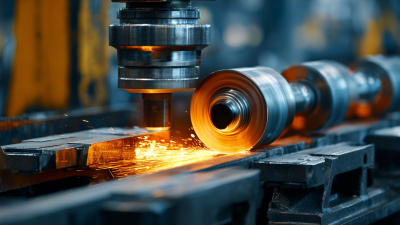
When it comes to any project, picking the right Metal Processing techniques really matters — it can make or break your success. There are so many methods out there, each with its own perks, so getting a clear idea of what your project needs is key to choosing the best approach.
Metal processing isn’t one-size-fits-all; it includes things like cutting, welding, and shaping, and each has its own purpose. For example, if you’re aiming for super precise cuts, laser cutting might be your best bet. But, heads up — it can get pricey and might require some pretty specialized equipment. On the other hand, traditional methods like Stamping can sometimes do the trick, especially if you're on a budget or need something quick and straightforward.
Looking back at past projects can also be pretty helpful. Ever had delays because you picked the wrong technique? Those experiences are gold for learning what works and what doesn’t. And sure, companies like Steel Fabricators Inc. offer tons of options, but it’s always smart to keep your project’s specific needs in mind. Remember, choosing the right metal sheet metal processing method can really make a big difference in your final results.
Understanding the Basics of Metal Processing Techniques
Understanding the basics of metal processing techniques is crucial for any project. Metal processing involves various methods, each with unique characteristics. Techniques like forging, casting, and machining are commonly used. Forging shapes metal using high pressure and heat, creating strong parts. However, it can be costlier and requires skilled labor.
Casting involves pouring liquid metal into molds. This method is efficient for intricate shapes but may leave imperfections. Machining removes material to create precise dimensions. The flexibility is high, but it can waste material and require extensive setup time. Evaluating your project's requirements is essential.
Sometimes, it’s difficult to choose between these methods. Experience plays a role here. Consider the tolerances, production volume, and desired material properties. Reflect on the challenges you may face. Each method has pros and cons that can affect your project. Making informed choices involves understanding these details.
Key Factors in Selecting Metal Processing Methods
When selecting metal processing methods, several key factors come into play. Understanding the project requirements is critical. The type of material, desired finish, and end use must align. According to industry reports, nearly 70% of metal manufacturers prioritize precision in their processes. This precision influences durability and performance.
Tips for choosing techniques: Consider scalability early. Techniques like laser cutting excel at high volumes but may underperform in small batch scenarios. Evaluate the technology's compatibility with all aspects of your design. Engaging with experts in OEM Metal Sheet Metal Processing can lead to improved outcomes.
Another essential consideration is cost. While some methods, such as stamping, offer low production costs per unit, setup costs can be high. It's vital to balance upfront expenses with long-term production efficiency. Remember, not all approaches fit every situation. Analyzing your specific needs will help avoid missteps. Sometimes, sticking with familiar processes is tempting but can hinder innovation. Aim for flexibility in your choices.
Comparative Analysis of Common Metal Processing Techniques
When selecting metal processing techniques, consider their strengths and weaknesses. For example, Cnc machining offers precision, which is vital for intricate designs. It's efficient but may require expensive initial investments. Sheet metal fabrication, on the other hand, is cost-effective for larger runs. However, this method can struggle with complex geometries.
Another technique, 3D metal printing, allows for rapid prototyping. It excels in creating unique shapes. Yet, it can be cost-prohibitive for mass production. Laser cutting provides clean edges and can handle various materials. Despite its advantages, it may not be the best choice for very thick metals.
Understanding the specifics of each method is crucial. ODM Metal Sheet Metal Processing serves various industries but might not suit every project. Reflecting on project needs and potential trade-offs helps in making informed choices. Always keep in mind that the right technique hinges on balancing quality, cost, and project timelines.
Evaluating Cost-Effectiveness in Metal Processing Choices
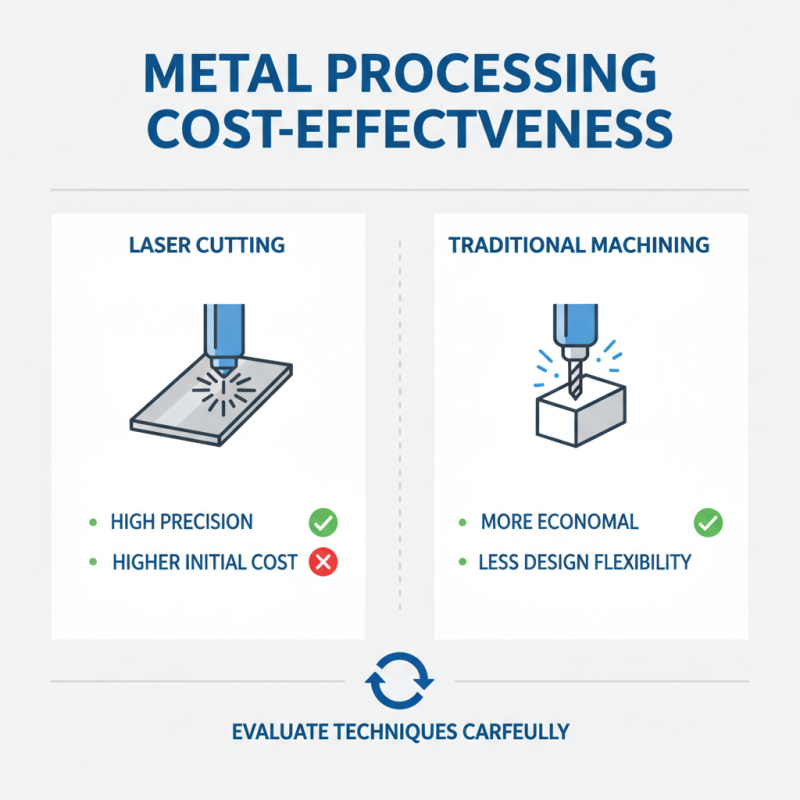
When evaluating cost-effectiveness in metal processing, consider various techniques carefully. Each method has its own expenses and benefits. For instance, laser cutting may be precise but involves higher costs. On the other hand, traditional machining can be more economical, though it may not meet all design specifications.
Think about your project’s specific needs. Some projects may require high precision, while others can sacrifice detail for lower costs. If time permits, explore economies of scale. Bulk processing can reduce overall costs. However, it's crucial to balance quality and budget constraints. Frequent adjustments to techniques might be necessary to optimize outcomes.
Also, reflect on long-term impacts. Choosing a cheaper technique might save costs initially but lead to failures down the line. Budget for potential rework or adjustments. This could inflate costs unexpectedly. Always reassess your choices based on the project's evolving requirements. Cost-effectiveness shouldn't mean compromising on quality. Strive for the right balance to achieve lasting results.
Material Properties and Their Impact on Processing Selection
Choosing the right Metal Processing techniques relies heavily on understanding material properties. Each metal has unique characteristics that influence how it can be shaped and formed. For example, aluminum is lightweight and malleable, making it ideal for extrusion. In contrast, steel is much stronger but requires more energy for machining.
*Tip: Always test material samples before selecting a processing technique. This can save time and costs.*
Temperature can also affect processing choices. Metals may expand or contract, impacting tolerances. For instance, heat treatment alters the microstructure of steel, enhancing its strength. However, some processes might lead to unexpected brittleness.
*Tip: Consider the environmental impact of your metal processing methods. Sustainable options often have long-term benefits.*
By paying attention to these factors, you can optimize your processing selections. The complexity of metal processing is often underestimated. Each project is unique, requiring careful consideration of how material properties align with the intended processing techniques.
How to Choose the Right Metal Processing Techniques for Your Project?
| Metal Type | Key Properties | Recommended Processing Techniques | Typical Applications |
| Aluminum | Lightweight, corrosion-resistant, good thermal conductivity | Extrusion, Machining, Welding | Aerospace components, automotive parts, structural applications |
| Steel | High strength, durability, good machinability | Stamping, CNC Machining, Forging | Construction, machinery, automotive manufacturing |
| Copper | Excellent electrical conductivity, corrosion resistance | Casting, Extrusion, Fabrication | Electrical wiring, plumbing, electronics |
| Titanium | High strength-to-weight ratio, excellent corrosion resistance | Machining, Casting, Welding | Aerospace, medical devices, marine applications |
| Nickel | Corrosion resistance, high-temperature resistance | Casting, Machining, Electroforming | Chemical processing, aerospace, electronics |
Industry Standards and Best Practices in Metal Processing
When selecting metal processing techniques, understanding industry standards is critical. Different methods have various applications and suitability. For example, welding is common in construction. However, it may not be ideal for intricate designs. Choosing the wrong process can lead to structural weaknesses. This aspect often requires careful consideration.
Best practices emphasize precision and quality. Techniques like CNC machining ensure accuracy, yet they can be expensive. Not every project can absorb such high costs. Sometimes, simpler methods like casting or forging may suffice. However, these options come with trade-offs, primarily regarding detail and finish. A project’s requirements dictate whether to prioritize finish over cost.
Additionally, staying updated on regulatory standards is vital. Compliance impacts material selection and processing methods. Inconsistent adherence to these principles can lead you to overlook potential pitfalls. Reflect on past experiences to learn and adapt. Each project can teach valuable lessons about what works best.
Future Trends in Metal Processing Technologies and Techniques
The future of metal processing technologies is rapidly evolving. Advanced techniques, like additive manufacturing, are becoming game-changers. Reports indicate this market is projected to grow at a CAGR of over 20% by 2025. This shift allows for increased customization and efficiency, which is essential for industries like aerospace and automotive.
However, there are challenges to address. Not all manufacturers can adapt easily to these new technologies. Quality and precision are paramount. Metal Precision Parts Processing Manufacturers must ensure they can maintain these standards while exploring innovative techniques. Traditional methods, like CNC machining, still hold significance. They are often more reliable for certain applications, especially for high-volume production.
Another emerging trend is automation in metal processing. The integration of AI and robotics can significantly boost productivity. Still, companies must be cautious. High initial costs and the need for skilled workers can be barriers. Balancing these factors is crucial for sustainable growth in the industry. Innovation must align with practical capabilities to achieve the best outcomes.
Maximizing Efficiency and Durability with CNC Precision-Machined Metal Brackets in Modern Engineering Applications
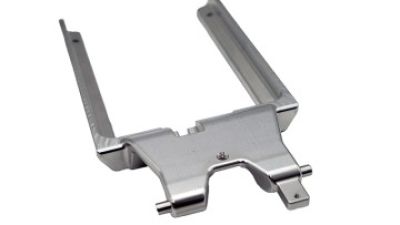
In the realm of modern engineering, the demand for precision and efficiency is paramount, especially when it comes to components like metal brackets. CNC (Computer Numerical Control) machining has emerged as a revolutionary technique in manufacturing, providing unmatched accuracy and the ability to produce complex geometries with ease. This technological advancement allows for the creation of metal brackets that meet stringent tolerances, often down to ±0.01mm. Such precision is crucial in high-stakes environments where even the slightest deviation can lead to costly operational failures.
Consider the performance of CNC-machined brackets in industries such as aerospace and automotive, where reliability and durability are non-negotiable. According to industry reports, precision-engineered components can reduce assembly time and improve overall system performance by up to 30%. The sleek, angular designs facilitated by CNC machining not only enhance aesthetic appeal but also contribute to optimal weight distribution and structural integrity, paramount for high-load applications. As engineering solutions continue to evolve, the integration of advanced CNC machining processes ensures that metal brackets can withstand extreme conditions while maintaining superior performance.
Moreover, the smooth metallic finish of these brackets, achieved through meticulous machining practices, further enhances their compatibility with various materials in complex assemblies. This level of craftsmanship not just simplifies the fitting process but also minimizes wear over time, prolonging the lifespan of assemblies and reducing the frequency of replacements. As industries increasingly seek to maximize efficiency and durability, investing in CNC precision-machined components is proving to be a game-changer in modern engineering applications.
FAQS
: Users often report improved performance and higher satisfaction. Many feel it enhances daily activities significantly.
It operates by utilizing advanced technology. Users find it user-friendly and easy to set up.
Some users experience mild discomfort initially. It's important to monitor your body's reaction.
Most individuals can use it safely. However, it's wise to consult with a healthcare professional.
Results can vary. Some users notice changes within days, while others may take weeks.
Many offer return options. Reflect on your reasons before making a decision.
Yes, customer service is usually accessible. Response times can depend on the demand.
Generally yes, but it's crucial to verify compatibility. Mixed reactions can occur.
Proper storage is essential. Keep it in a cool, dry place to maintain quality.
Dosage varies per individual. It's important to follow guidelines for optimal results.
Conclusion
Choosing the right metal processing techniques for your project is essential to ensure efficiency, cost-effectiveness, and quality. Understanding the basics of various metal processing methods, such as welding, forging, and machining, lays the foundation for making informed decisions. Key factors to consider include material properties, required tolerances, and the specific industry standards that govern the processes.
Moreover, a comparative analysis of common techniques reveals their strengths and weaknesses, helping to pinpoint the most suitable method for your application. Evaluating cost-effectiveness is crucial, as it directly impacts project budgets. Keeping an eye on future trends in metal processing technologies will also position you ahead in a rapidly evolving industry. By integrating these elements, you can optimize your metal processing choices to achieve the desired outcomes.