In today’s really competitive manufacturing world, nailing the right level of precisionwith your Cnc machines is pretty essential. It’s not just about getting high-quality products out the door — it’s also about doing it efficiently and smoothly. AtShengyi Intelligent Technology Co., Ltd., we totally get how tricky it can be to choose the perfect CNC machine that fits your specific needs. We’re a pro manufacturerspecializing in CNC turning parts, CNC milling components, metal stamping parts, Springs, and wire molding products, so we know how crucialprecision is at every step of the process.
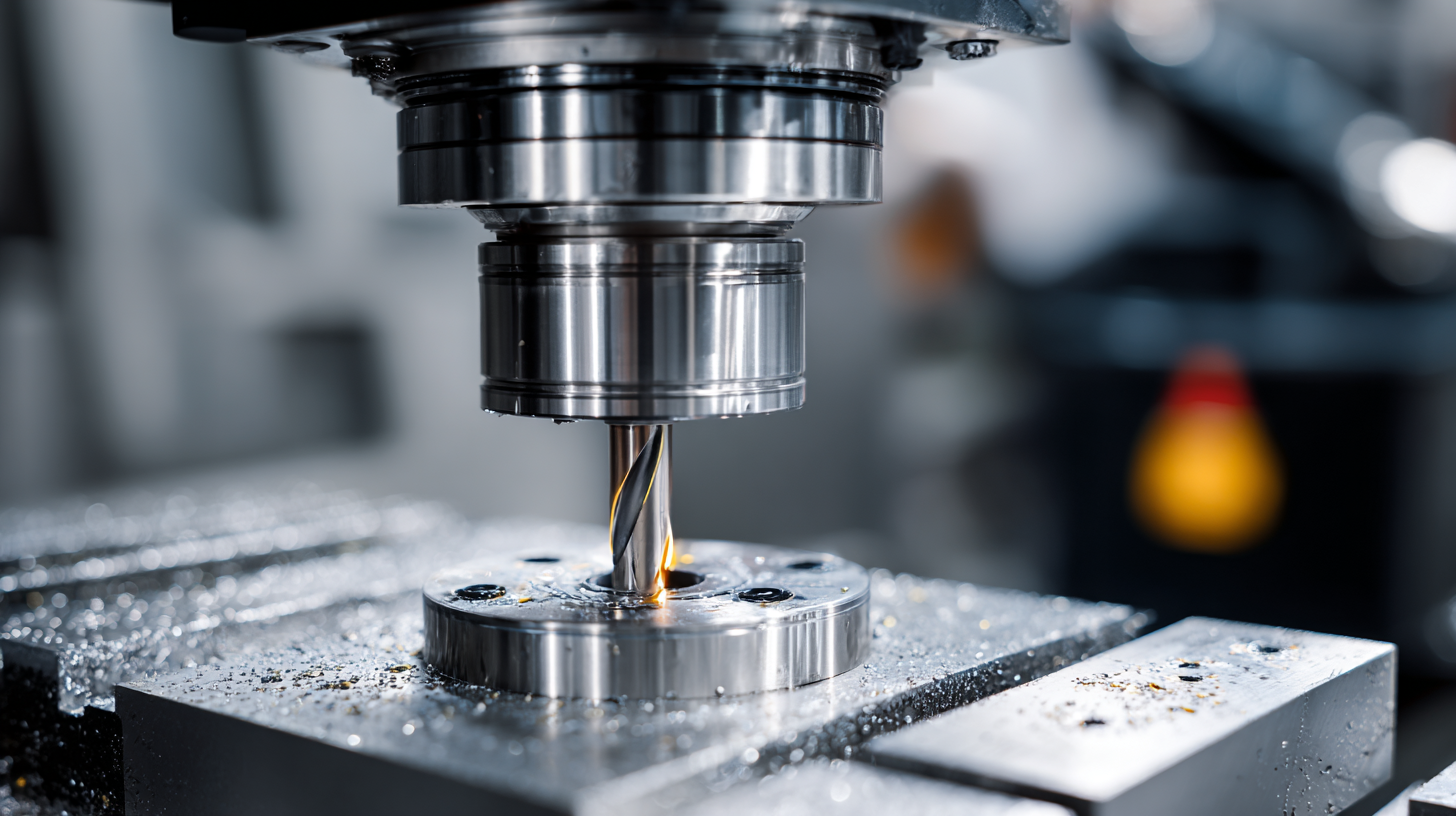
This blog is here to help you figure out what to look for when selecting a CNC machine that boosts your accuracy and helps you keep up with customer expectations. The goal is to give you some handy insights so you can make smarter decisions, resulting in better outcomes and continued success for your business. Trust me, a little bit of know-how can go a long way in making your manufacturing process smoother and more reliable.
Understanding Different Types of CNC Machines and Their Precision Capabilities
So, if you're trying to find the best CNC machine for really precise manufacturing, it’s super important to get a good handle on the different types out there and what they can do. You’ve got options like milling machines, lathes, laser cutters, and water jet cutters — each one has its own quirks and specs tailored to different tasks. For example, water jet cutters that move dynamically are becoming quite popular because they can slice through tough materials with crazy accuracy. They’re especially handy when you need really detailed designs without worrying about thermal distortion messing things up.
On another note, the CNC market on a global scale is looking pretty strong. It’s expected to grow a lot between 2025 and 2032, jumping from about $101 billion to nearly $196 billion — that’s almost double! The main drivers? Cool technological upgrades and how versatile CNC machines have become, allowing manufacturers to hit high precision marks in all sorts of applications.
Getting to know what these machines can do really helps you make smarter choices, and in turn, can boost your manufacturing game and beef up the quality of your products.
Key Features to Look for in a High-Precision CNC Machine
When you're on the hunt for a high-Precision Cnc machine for your manufacturing setup, there are a few key features you really wanna keep in mind to make sure everything runs smoothly and accurately. First off, the build quality of the machine is a big deal. Things like a sturdy frame made from cast iron or similar materials help cut down on vibrations and give you better stability — which is crucial when you're aiming for super precise cuts. Also, check if the machine has high-precision linear guides and ball screws; these parts play a huge role in boosting accuracy and consistency every single time you run it.
Another thing to consider is the CNC control software. Nowadays, good software with an intuitive, user-friendly interface can make a huge difference — especially if you're dealing with complex shapes and designs. Features like adaptive feed rates, dynamic toolpath optimization, and real-time monitoring aren’t just fancy names; they really help improve precision and efficiency in the long run. And let’s not forget about the spindle speed and torque — having a machine that supports different tooling options and can handle various speeds is a total game-changer, especially when you're working with different materials. By paying attention to these aspects, you’ll be able to pick a CNC machine that really helps bump up your production quality and output.
How Material Compatibility Affects CNC Machine Performance
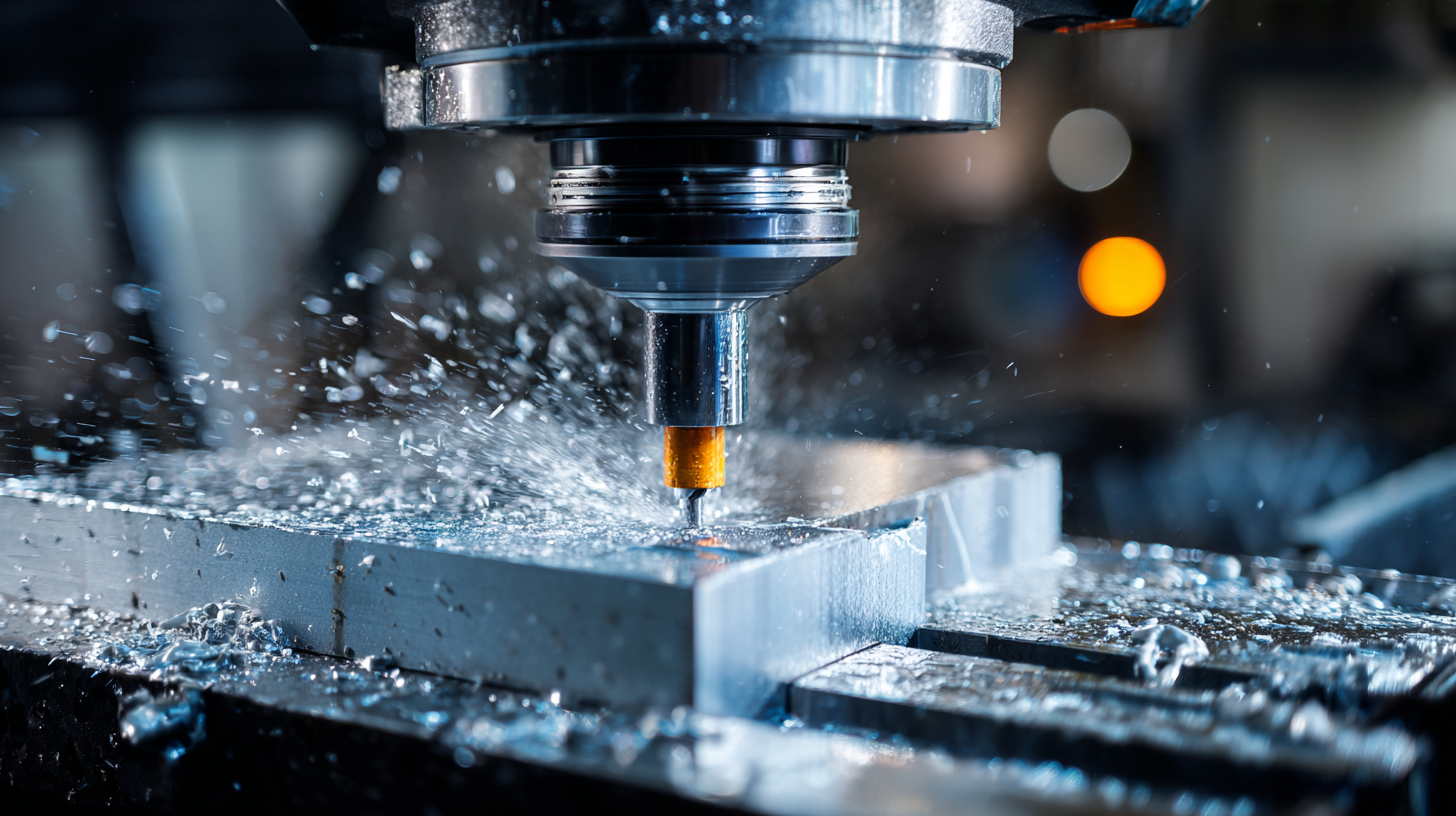
Picking the right CNC machine for your manufacturing setup isn’t just about price or brand — it’s really about how well it works with the materials you're planning to use. You see, different materials, like metals versus plastics, each have their own quirks that affect how the tools cut and how the machine performs. For example, if you're working with tough stuff like steel, you’ll need a machine that's solid and precise enough to handle the strain. On the flip side, softer materials like aluminum can move faster through the machine, but if you're not careful, they can produce a bunch of chips and mess things up.
Also, the type of CNC machine you pick should match what you're working with. Machines have specific spindle speeds and torque that make them better suited for certain materials. Take woodworking CNC routers — they do a great job with different kinds of wood, but they might not be the best choice if you're trying to work with metal unless you make some serious tweaks. Knowing which machines suit which materials can really improve your accuracy, cut down on cycle times, and make your whole process more efficient. Spending a bit of time researching and choosing a CNC that’s compatible with your materials can save you from costly mistakes and a headache or two down the line.
Evaluating Software and Control Systems for Optimal Precision
So, when you're choosing a CNC machine for your manufacturing setup, it's super important to pay close attention to the software and control systems. The right software can really boost how smoothly everything runs—think real-time monitoring, automatic tweaks, and all that good stuff. Just make sure it's compatible with different file types and easy enough to use; that can save you a ton of headaches and speed up your workflow.
Here's a little tip: before you lock in your decision, ask if you can get a demo of the software. It’s a great way to see how it actually works and figure out if it’s a good fit for what you need.
And don’t forget about the control system! A solid control system does more than just keep things moving; it also makes a big difference in how precise your machine can be. Look for models with advanced control features, like closed-loop feedback systems—they help ensure everything comes out exactly right.
Another tip: take a peek at reviews from other users. Their experience can give you some behind-the-scenes insights into how well the control systems perform and how reliable they really are—sometimes specs don’t tell the whole story.
Cost Considerations: Balancing Budget and Precision Needs
When you're trying to pick out the best CNC machine for your manufacturing setup, it’s really all about finding that sweet spot between how much it costs and the level of precision you need. A good, high-quality CNC can seriously boost your accuracy—no joke—but, of course, you want to make sure it doesn’t break the bank. So, start by taking a good look at what your operations actually require. How precise do your projects need to be? Pinpointing that will help you choose a machine with the right specs without overspending or overcomplicating things.
**Tip 1:** Don’t just settle for the first quote you get. It’s smart to get multiple quotes from different suppliers. Not only can you compare prices, but you’ll also get a sense of what features come with each machine. Sometimes, those packages include extra tools or software that add a lot of value—way more than what you might initially think.
**Tip 2:** Keep in mind the real long-term costs, like maintenance, training, and possible upgrades. Spending less upfront on a cheaper CNC might seem tempting, but it could end up costing you more over time with repairs or downtime. Sometimes, shelling out a bit more for a reliable, proven model can save you loads of hassle and cash down the line.
Ultimately, the goal here is to find that balance—getting a machine that hits your precision needs without stretching your budget too thin. That way, your manufacturing process can grow sustainably, without surprises.
How to Choose the Best CNC Machine for Precision in Your Manufacturing Process - Cost Considerations: Balancing Budget and Precision Needs
| Machine Type | Precision Level (µm) | Cost Range ($) | Material Compatibility | Recommended Applications |
| CNC Milling Machine | 5 - 50 | 5,000 - 150,000 | Aluminum, Steel, Plastic | Aerospace, Automotive, Prototyping |
| CNC Lathe | 10 - 25 | 10,000 - 120,000 | Metal, Wood | Manufacturing, Custom Parts |
| CNC Router | 20 - 100 | 2,000 - 25,000 | Wood, Foam, Plastic | Sign Making, Furniture, Arts |
| CNC Plasma Cutter | 1 - 3 | 5,000 - 40,000 | Metal Sheets | Metal Fabrication, Art |
| CNC Waterjet Cutting | 0.1 - 1 | 30,000 - 250,000 | All Materials | Aerospace, Medical, Automotive |
Maintenance Tips for Ensuring Long-Term Precision in CNC Operations
Keeping your CNC machines running precisely isn’t just about fixing things when they break — it’s really about staying on top of regular care. You want to make a habit of scheduled maintenance checks to make sure everything’s working smoothly, from spindles to linear guides and ball screws. Trust me, setting up a routine for lubrication is a game-changer. It helps prevent parts from wearing down prematurely and keeps your machine accurate during all those important cuts. Oh, and don’t forget to keep an eye on the coolant levels and its quality — those little things make a big difference since they control heat and friction during operation.
Another key part of keeping things in check is calibration. It’s a good idea to do it regularly because over time, things can get out of alignment, whether because of wear and tear or changing conditions. Using precise measuring tools during calibration can really help confirm your machine is still hitting the right marks. Plus, training your operators on proper machine handling and routine upkeep can go a long way in making sure your CNC stays reliable and accurate. If everyone pitches in and treats the equipment with care, you’ll get better results, faster, and avoid costly surprises down the line.
FAQS
: Evaluating software and control systems is crucial for achieving optimal precision in CNC operations. The right software can enhance effectiveness through features like real-time monitoring and automated adjustments, while a robust control system impacts machine responsiveness and accuracy.
Look for software that is compatible with various file formats, has a user-friendly interface, and offers capabilities that streamline workflow and reduce errors.
It is advisable to request a demo of the software to explore its capabilities firsthand and determine if it meets your specific needs.
The control system dictates the machine's responsiveness and directly impacts how accurately it can execute designs. Advanced options, like closed-loop systems, provide feedback to enhance precision.
Regular maintenance is essential for ensuring that all components function optimally. It prevents wear and tear, sustains accuracy, and helps avoid discrepancies in machine performance over time.
Key practices include scheduling regular maintenance checks, implementing a routine lubrication schedule, monitoring coolant levels, and conducting frequent calibration checks.
Frequent calibration checks using precision measuring tools can help identify discrepancies due to wear or changes in operational conditions, ensuring the machine's output meets required specifications.
Training operators on best practices for machine handling and routine maintenance procedures fosters a culture of care and significantly enhances the longevity and precision of CNC operations.