Picking the right metal for Stamping isn't just a technical choice — it's pretty much the key to making sure your product performs well. Different industries depend on specific materials to get that perfect balance of durability and efficiency. Honestly, choosing the right one can really boost your product's quality and how easy it is to use.
There are quite a few things to think about when selecting metals for stamping. Stuff like strength, ductility, and how well it resists rust or corrosion all come into play. For example, some metals are better suited for really tough, high-stress environments, while others are more flexible and easier to shape. Basically, the metal you pick should match up with your production needs and your design.
Of course, not every metal is perfect — they all have their little quirks. Some alloys might cost more or be tougher to find. That's why teaming up with trustworthy Metal Stamping Sheet Metal Manufacturerscan really help you make smarter choices. It’s all about weighing your options and zeroing in on what really fits your specific project. When in doubt, doing a bit of research and testing never hurt — it can save a lot of headaches down the line.
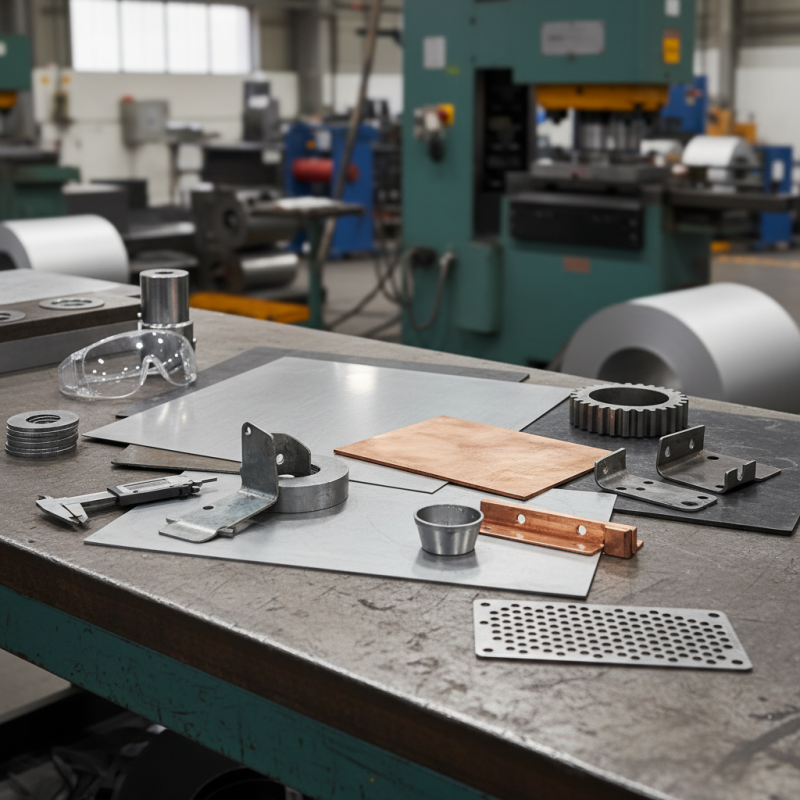
Understanding Stamping Applications and Their Requirements
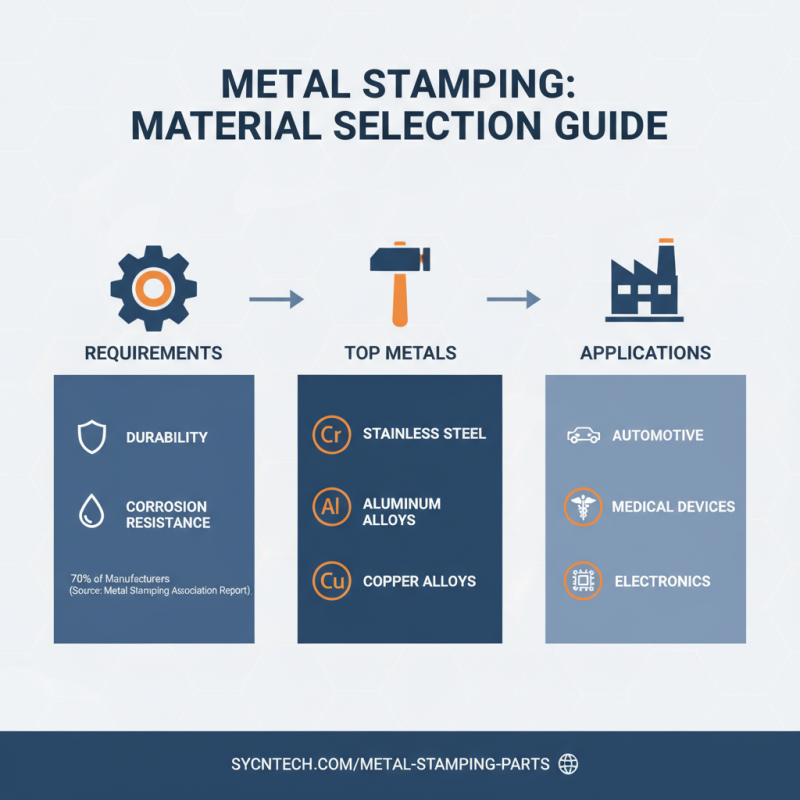
When selecting the best metal for stamping applications, understanding the requirements is crucial. Different industries demand specific properties from their materials. A report from the Metal Stamping Association indicates that nearly 70% of manufacturers seek enhanced durability and corrosion resistance in their Metal Stamping Parts.
Steel is commonly used due to its strength and adaptability. However, aluminum is gaining popularity for its lightweight nature and excellent corrosion resistance. This switch can lead to challenges, as Aluminum Parts may deform under pressure more easily compared to steel. Manufacturers must consider these trade-offs during the design phase.
Data from industry studies show that over 50% of stamping failures stem from material choices. This highlights the importance of evaluating specific application needs thoroughly. Factors like yield strength and ductility can significantly affect the performance of metal stamping parts. A miscalculation here can lead to costly redesigns or product failures. Balancing cost and quality is often a complex task that requires careful consideration and reflection.
Key Properties of Metals for Stamping Processes
Choosing the right metal for stamping applications is crucial. Several key properties influence this decision. Ductility stands out. Metals like aluminum can undergo significant deformation without breaking. This quality helps create intricate shapes.
Tensile strength is another vital property. According to industry reports, high tensile strength allows materials to resist stretching. Steel often excels here, providing durability in challenging environments. However, it can be more challenging to process. This trade-off can impact production timelines and costs.
Formability also matters. Metals should be easy to work with under pressure during the stamping process. For instance, copper and its alloys are known for excellent formability. Yet, they can be softer, leading to wear over time. This softening can affect long-term performance. It's essential to balance these properties against your specific application needs.
Metal Properties Comparison for Stamping Applications
Common Metals Used in Stamping: An Overview
When selecting metals for stamping applications, understanding common options is crucial. Steel is a leading choice, known for its strength and versatility. Reports indicate that around 70% of stamped parts are made from steel. It's often used in automotive and industrial components. However, its weight can be a drawback for some applications.
Aluminum is another popular metal in the stamping industry. It is lighter than steel, making it a preferred option for aerospace and consumer goods. Studies show that the use of aluminum in stamping is rising by approximately 5% annually. This growth is driven by its excellent corrosion resistance and ability to be formed into complex shapes. Yet, aluminum can be more costly than steel, and some manufacturers might be hesitant due to price.
Copper and brass are also common in the stamping process. Copper offers excellent electrical conductivity, so it's a top pick for electrical components. Brass, an alloy of copper and zinc, provides good machinability. However, both metals can be less durable than steel and aluminum. Manufacturers often need to evaluate trade-offs carefully. The choice of metal impacts not just performance but also production costs and efficiency in stamping operations.
Factors Influencing Metal Selection for Stamping
Choosing the right metal for stamping applications is essential. Several factors influence metal selection. The first consideration is the metal's mechanical properties. Strength, ductility, and hardness affect how well the metal can withstand the stamping process. These properties determine whether the metal will deform or break during stamping.
Another important factor is corrosion resistance. Specific applications may require metals that can endure harsh environments. This includes exposure to moisture or chemicals. Metals like stainless steel or aluminum often excel in these situations. Thickness is another detail to consider. Thicker metals may provide strength but could complicate the stamping process.
Ultimately, the goal is to create high-quality Custom Metal Stamping Parts. Balancing performance, cost, and appearance is tricky. Manufacturers must weigh these elements carefully. What works well in one application may not suit another. Reflection on the materials used at each stage can lead to better decisions in the future.
Cost Considerations in Choosing Stamping Materials
When selecting materials for stamping, cost considerations play a crucial role. Different metals come with varying price points, influenced by factors like availability and market demand. For instance, aluminum is often cheaper and easier to stamp than stainless steel. Yet, it may not endure harsh conditions. Choosing a material that aligns with budget constraints is vital, but it should also meet performance needs.
Many companies face decision-making challenges. They prioritize low costs, sometimes overlooking durability. This can lead to frequent replacements and higher long-term expenses. For example, opting for a low-cost metal might save money initially, but can result in failures under stress. It is essential to analyze the total cost of ownership when evaluating stamping materials.
Additionally, unexpected losses due to poor material choices can affect a company's reputation. Investing in quality metals might not seem cost-effective at first. However, it can prevent costly production delays and safety issues in the future. Balancing cost and quality is an ongoing challenge. Ultimately, the choice of stamping material should reflect both immediate and future needs.
How to Choose the Best Metal for Stamping Applications? - Cost Considerations in Choosing Stamping Materials
| Metal Type | Cost per Pound ($) | Strength (MPa) | Corrosion Resistance | Formability |
| Steel | 0.70 | 250 | Moderate | Good |
| Aluminum | 1.50 | 150 | Excellent | Very Good |
| Stainless Steel | 2.50 | 350 | Excellent | Good |
| Brass | 3.00 | 200 | Good | Excellent |
| Copper | 4.00 | 210 | Good | Very Good |
Evaluating Metal Formability and Strength for Stamping
When evaluating metal for stamping, formability is critical. Not all metals bend and shape equally. Some exhibit excellent ductility, allowing them to be formed into complex shapes. Others may crack or break under pressure. Understanding these properties will guide your material selection.
Strength is another vital factor. Strong metals withstand pressure without deforming. Yet, too much strength can hinder forming processes. It's a fine balance. Consider what your Metal Stamping Factory can achieve with different materials. You might find the strongest metal doesn't always yield the best results in stamping.
Furthermore, it's easy to overlook cost in favor of qualities like strength and formability. Sometimes, a cheaper metal may perform adequately for certain projects. Reflect on your specific application needs and lifecycle. A thorough evaluation may reveal that different metals can lead you to better solutions. So, experiment with various options and approach this decision with flexibility.
Environmental Impact and Sustainability in Metal Selection
Choosing the right metal for stamping applications involves careful consideration of environmental impact. The global metal industry accounts for around 8% of total greenhouse gas emissions. The production processes can be energy-intensive, leading to significant ecological footprints. That's why making sustainable choices is imperative in metal selection.
Recycled metals present a promising alternative. By utilizing recycled aluminum or steel, manufacturers can reduce energy consumption by up to 95% compared to virgin materials. This drastically lowers the carbon footprint. Moreover, metals like aluminum and copper can be recycled multiple times without losing quality. This can drive costs down for products like a Metal Stamping Bracket.
However, challenges persist. Not all recycled metals meet the quality required for critical applications. There are concerns about contamination during recycling. As a result, manufacturers need to balance sustainability with performance. Continuous improvement in recycling technology and processes is essential. Only then can true sustainability in metal stamping be achieved.
FAQS
: It aims to enhance daily convenience for users. Many find it helpful in time management.
Users report a simple interface. Some may still face challenges initially. Practice helps.
Generally, there are no age limits. However, minors should use it with adult supervision.
Yes, it is designed for repeated use. Regular use can improve user experience over time.
Try reviewing the manual first. If issues persist, contacting customer support might help.
A limited warranty is available with the purchase. Terms and conditions may vary.
Many users believe it performs well. However, preferences vary widely among individuals.
Yes, a return policy is in place. Ensure you follow the guidelines for returns.
Don't worry. User manuals are accessible. Watching tutorial videos might also be helpful.
Regular cleaning is encouraged. Neglecting maintenance can lead to decreased performance.
Conclusion
When selecting the best metal for stamping applications, it's crucial to understand the specific requirements of the process. Key properties such as formability, strength, and ductility are essential in ensuring that the chosen metal can withstand the stresses of stamping. Commonly used metals include steel, aluminum, and brass, each offering distinct advantages depending on the application.
Additionally, various factors influence metal selection, including cost considerations, the desired finish, and the environmental impact. Evaluating the formability and strength of metals is vital, as it directly affects the efficiency and quality of the stamping process. By taking these elements into account, manufacturers can make informed decisions in choosing the most suitable metal for stamping, ultimately leading to successful and sustainable production outcomes.