In today’s fast-changing world of manufacturing tech, you can’t really talk about success without mentioning how crucial Cnc machine precision is. I mean, according to the 2021 Global Manufacturing Report, precision machining doesn't just affect product quality—it also plays a big role in making the whole process more efficient and saving costs. Surprisingly, just a tiny 1% bump in precision can boost productivity by up to 5%.  Shengyi Intelligent Technology Co., Ltd. really stands out in this space. They’re experts in Cnc Turning and milling, metal Stamping, and wire molding. What’s cool is their focus on blending cutting-edge tech with super precise engineering, so they can meet the tough standards across different industries. As manufacturers work hard to stay competitive these days, understanding and tightening CNC machine precision isn’t just anice-to-have anymore—it’s really essential for hitting those efficiency goals and pushing innovation in product design.
The Importance of CNC Machine Precision in Today’s Manufacturing Landscape
You know, in today's manufacturing world, the accuracy of CNC machines is absolutely crucial—it's what really helps boost productivity and ensures high-quality products across all sorts of industries. As digital manufacturing keeps getting more advanced, being able to hit those meticulous precision levels with CNC machining is becoming more and more vital. I recently came across a market report that says the sector for precision turned products is expected to hit around $196 billion by 2034. That just shows how much companies are counting on precision now more than ever.
And on top of that, there’s some pretty exciting progress happening with end milling machines, especially in metalworking. These machines are offering way better accuracy and efficiency than before. The market for end milling machines is set to grow a lot from 2025 to 2035, which really shows there's a big demand for high-precision tools that can keep productivity high. Companies jumping on this technology can really cut down on waste and tighten up quality control—fitting right into the industry's shift toward more automated, precise manufacturing methods.
Understanding the Essential Role of Cnc Machine Precision in Modern Manufacturing Technologies
| Dimension | Measurement | Impact on Manufacturing |
| Accuracy | ±0.01 mm | Ensures high-quality parts that fit perfectly in assemblies. |
| Repeatability | ±0.005 mm | Allows for consistent production runs, reducing scrap rates. |
| Speed | 1800 rpm | Faster cuts lead to shorter lead times and increased output. |
| Surface Finish | Ra 0.8 µm | Higher surface quality improves products’ aesthetics and functionality. |
| Tool Wear | Measured in mm | Monitoring leads to optimized tool changes, minimizing downtime. |
Key Benefits of Precision in CNC Machining for Quality Control
You know, when it comes to modern manufacturing, the precision of CNC machining really can’t be overstated—especially for quality control. And with the global market for CNC machines expected to jump from around $101 billion in 2025 all the way up to nearly $196 billion by 2032, paying attention to accuracy becomes more important than ever. Industry experts are seeing a compound annual growth rate of about 9.9%, which just shows how much companies are realizing that super precise CNC work directly affects the consistency and quality of their products. When manufacturers nail that precision, they can produce parts that meet even the strictest specs, leading to less waste and more reliable products overall.
In fields like making medical devices, using advanced tech—think laser-integrated CNC machines—really boosts not just precision but also surface finish and edge quality. Machines that can resolve down to nanometer levels let manufacturers control every tiny detail of the process. Plus, more and more folks are turning to digital twin tech in CNC operations, which basically means creating a virtual replica of the manufacturing process. That way, companies can get it right the first time, slash costs, and improve efficiency. All this blending of real and digital worlds isn’t just fancy tech talk; it’s key to pushing innovation and boosting productivity. Places like North Penn, for instance, are even seeing rapid growth, with precision CNC turning really helping create jobs and grow the local economy.
How CNC Machine Precision Enhances Production Efficiency
You know, when we talk about CNC machine tech, it’s really a game-changer for boosting production efficiency across all sorts of industries. With advanced CNC turning methods, manufacturers can produce parts with incredible accuracy and consistency—it's pretty impressive. This not only cuts down on material waste but also helps speed up setups and adjustments, which means companies can get more done in less time. Places like North Penn, PA, are actually seeing their manufacturing processes transform, sparking innovation and creating new jobs as they jump into these cutting-edge tech trends.
And it’s not just about being faster or more efficient—companies like Shengyi Intelligent Technology Co., Ltd. are showing us how important quality really is. Their expertise in CNC turning and milling means clients get custom-made parts that perform well and last longer. As more industries shift toward automation and digital production, focusing on precision is only going to get more important. It’s path toward keeping manufacturers competitive on the global stage, and honestly, it’s pretty exciting to see how it all unfolds.
The Relationship Between CNC Precision and Technological Advancements
You know, when we're talking about modern manufacturing, the connection between CNC precision and tech upgrades is a big deal. As industries keep moving forward, using CNC technology has really boosted both how quickly stuff gets made and the quality of the products. Honestly, the worldwide market for CNC machines is expected to grow a lot—by 2033, the CNC controller market alone might hit around $7.2 billion, with a yearly growth rate of about 8.3% from 2024 to 2033. It just shows how essential precision machining is becoming across so many different sectors.
For manufacturers out there, investing in CNC tech isn’t just a nice-to-have anymore—it's a real game-changer. Companies that get on board with these advanced machines can produce super precise parts, cut down on waste, and run more efficiently overall. And get this—they’re expecting the market for precision turned products to reach around USD 196.11 billion by 2034. That’s a pretty clear sign that there’s huge demand for detailed, accurate components in all kinds of applications.
Pro tip: If you want to stay competitive out there, it’s smart to embrace the latest CNC tech in your operations. Keeping your team trained, and continuously upgrading your machinery, can really boost your precision and product quality—things that really matter in today’s fast-paced, high-demand markets.
Challenges in Maintaining CNC Machine Precision in Modern Facilities
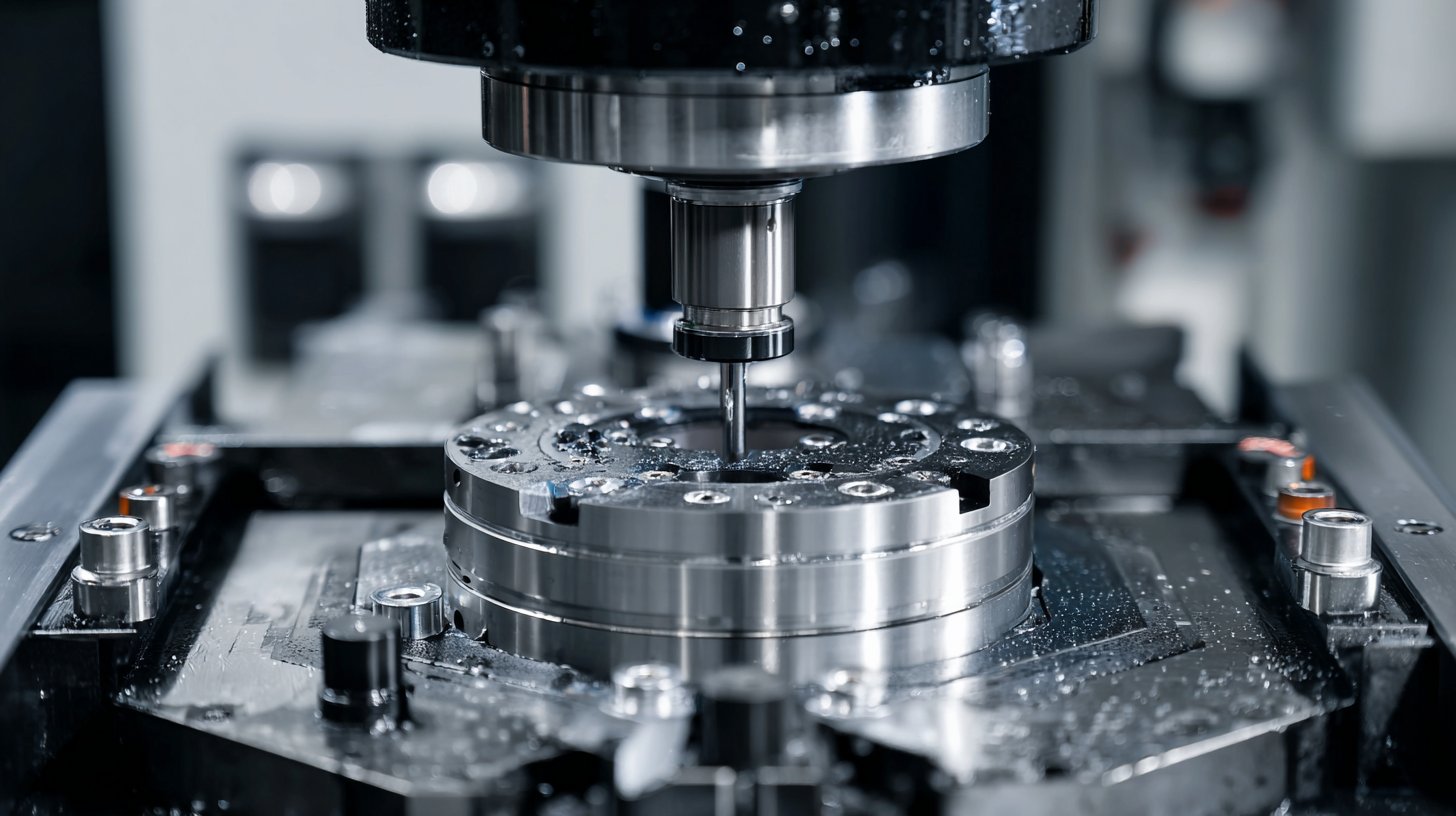
Keeping precision in CNC machining isn’t something manufacturers can take lightly, especially with how fast the industry’s growing these days. Did you know that the global market for CNC machines is expected to jump from around $101 billion in 2025 to nearly $196 billion by 2032? That’s a pretty huge leap, at nearly 10% annual growth! It really shows just how much companies are counting on CNC tech to produce top-notch parts across all kinds of industries. That said, hitting and maintaining that level of precision isn’t always straightforward. There are everyday challenges like machine wear and tear, environmental factors, and the constant need for calibration to keep things running smoothly.
One thing that’s really heating up lately is the integration of smart robotics into CNC operations. Sure, they can boost accuracy and efficiency, but let’s be honest—you’re adding more pieces to the puzzle, which complicates everything. Making sure that these robotic systems work seamlessly with CNC machines isn’t always a walk in the park. Oh, and safety's a big deal, too. Things like installing fire suppression systems—think mist extractors or clean agent setups—are crucial to keep things safe for everyone and protect the equipment. All of these points really emphasize how important it is for manufacturers to invest in solid solutions that not only deliver precision but also handle potential risks like safety hazards or equipment damage.
Future Trends in CNC Machine Precision and Their Manufacturing Impact
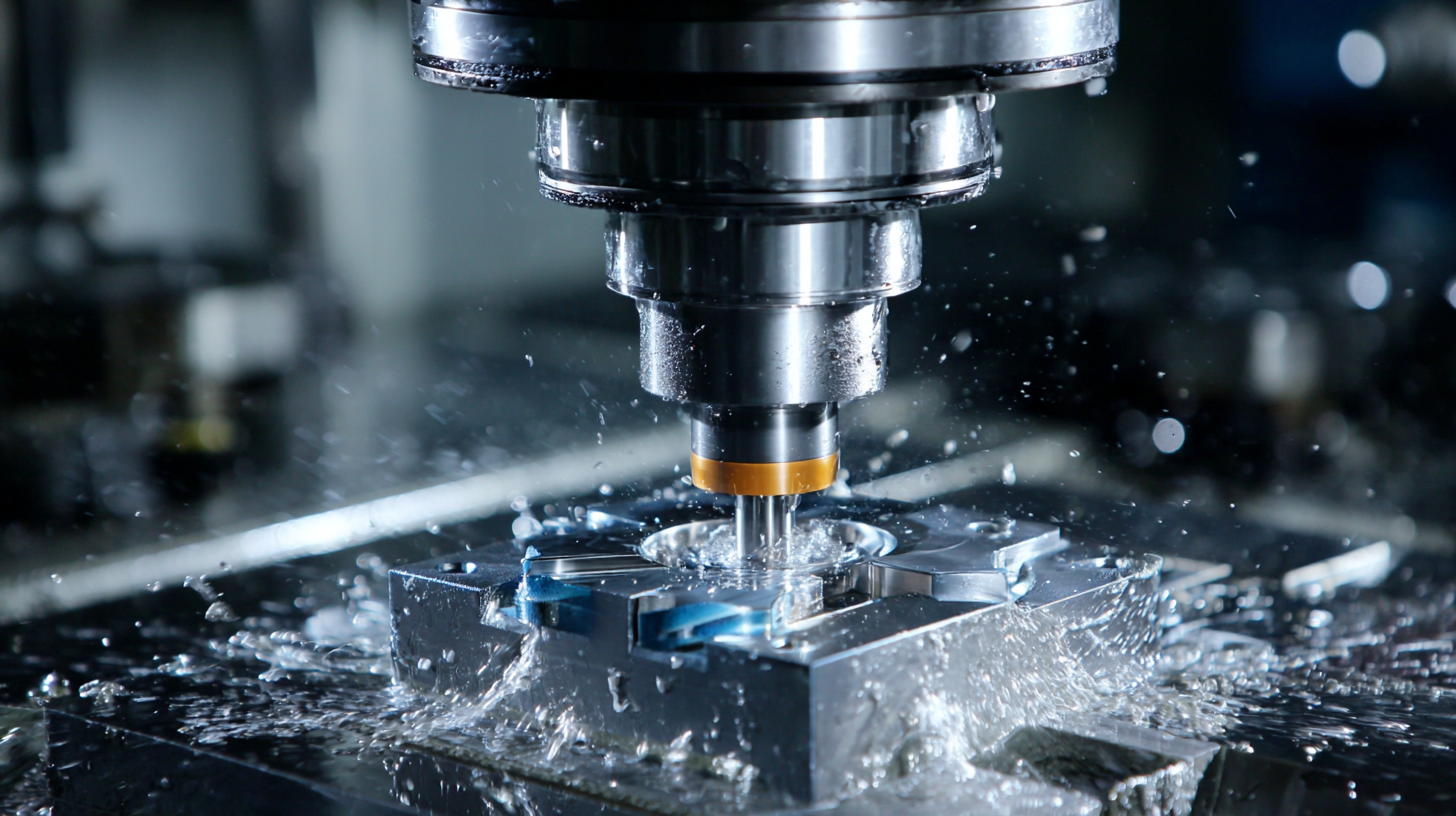
Looking ahead, the world of CNC machine precision is on the brink of some exciting changes. More industries are jumping on board with the latest digital manufacturing tech, which is pretty cool. One big reason? There’s a growing push for high-precision, multi-axis machining centers—these are the real workhorses for crafting complex parts with crazy accuracy. The global market for CNC tools is expected to see solid growth, hinting at a promising future for precision engineering, especially in fields like aerospace and medical device manufacturing.
And let’s not forget AI. As it keeps shaking things up in manufacturing, companies that hop on this train can seriously boost their efficiency and precision. AI-powered tools aren’t just fancy; they help get more done, waste less material, and keep workflows smoother than ever.
**Tip:** If you want to stay ahead of the game, investing in training your team on these new technologies is a must. Keeping skills fresh and up-to-date means your staff can run and maintain these advanced CNC machines like pros, which fuels innovation and boosts productivity all around. Embracing these trends isn’t just about growth—it’s about building a culture that’s adaptable and committed to excellence in making things with precision.
**Tip:** Don’t forget, regular maintenance and calibration of your CNC machines is key. Setting up a preventative maintenance routine can save you from costly downtime and keep your machines running at peak performance. After all, staying ahead in this constantly evolving market means your gear needs to stay in top shape—simple as that.
FAQS
: Precision is crucial in CNC machining as it directly correlates with maintaining consistent quality standards and producing components that meet stringent specifications, leading to reduced waste and enhanced product reliability.
The global CNC machine market is projected to grow from $101.22 billion in 2025 to $195.59 billion by 2032, with a compound annual growth rate (CAGR) of 9.9%.
Advanced technologies such as laser integration and those offering nanometer resolution significantly improve precision and enhance surface and edge quality in CNC machining.
CNC machining enhances production efficiency by allowing manufacturers to produce components with remarkable accuracy, reducing material waste and minimizing setup time, leading to increased overall productivity.
Manufacturers face challenges such as wear and tear on machinery, environmental factors, the need for regular calibration, and the complexity introduced by integrating intelligent robotics into CNC processes.
Digital twin technology is vital for ensuring a "first time right" approach in CNC operations, enhancing efficiency, and lowering costs by allowing meticulous control over the manufacturing process.
Precision CNC machining fosters innovation and transforms manufacturing processes, which can lead to job creation and economic growth in regions embracing these advanced technologies.
Quality is significant as precision CNC machining solutions provide tailored products that enhance performance and reliability, increasingly important as industries adopt automation and digital manufacturing.
Manufacturers can ensure safety and efficiency by implementing effective fire suppression systems, such as mist extractors and clean agent systems, which protect both the machinery and the workforce.
While automation can improve precision in CNC machining, it also introduces challenges in ensuring interoperability between CNC machines and robotic systems, necessitating careful integration.
Conclusion
In today’s fast-paced manufacturing world, having super accurate CNC machines isn’t just a nice-to-have—it’s actually essential for producing top-notch quality and staying efficient. Companies like Shengyi Intelligent Technology Co., Ltd. really get how crucial precision is in CNC machining because it directly affects product quality, cuts down on wasted materials, and boosts overall productivity. With the latest tech in the mix, precision has become a key pillar of modern manufacturing — no joke.
That said, keeping those CNC machines precise isn’t always smooth sailing. There are quite a few hurdles, like regular calibration, equipment wear and tear, and finding skilled folks who truly understand the machinery. Looking ahead, the trends in CNC precision, driven by continuous tech innovation, are pretty exciting—they’re poised to reshape how manufacturing works. So, for companies to stay competitive, they’ll really need to keep investing in precision tech and adapt to these changes if they want to keep up and thrive in this ever-evolving landscape.