You know, Cnc Machining is really changing the game in manufacturing. It’s all about getting precise results quickly, and honestly, it’s a huge deal right now. If you look at what Statista says, the global market for CNC machining is expected to hit around $100 billion by 2026 — pretty impressive, right? This just shows how important it’s becoming. So, if your business wants to step up its production, picking the right CNC machining service is honestly a pretty big deal.
James Turner, who’s pretty much one of the go-to guys in this field, points out, ‘Choosing the right service can really make or break the quality and speed of your projects.’ That’s especially true when you’re working on things like aluminum profiles, where precision isn’t just nice to have — it’s needed. Companies should definitely take a close look at how experienced their potential partners are, what kind of tech they use, and how supportive they are. Trust me, partnering with a reliable provider can save you a lot of headaches.
But, let’s be real — it’s not all smooth sailing. There are still issues with inconsistent quality, delays, or poor customer service that can mess things up. So, businesses need to stay sharp and really do their homework before committing. Taking a little extra time to pick the right partner can lead to better results and quicker turnarounds. And in this fast-moving industry, really understanding what CNC machining involves is key if you want to stay ahead of the game.
What is CNC Machining? An Overview of the Process and Applications
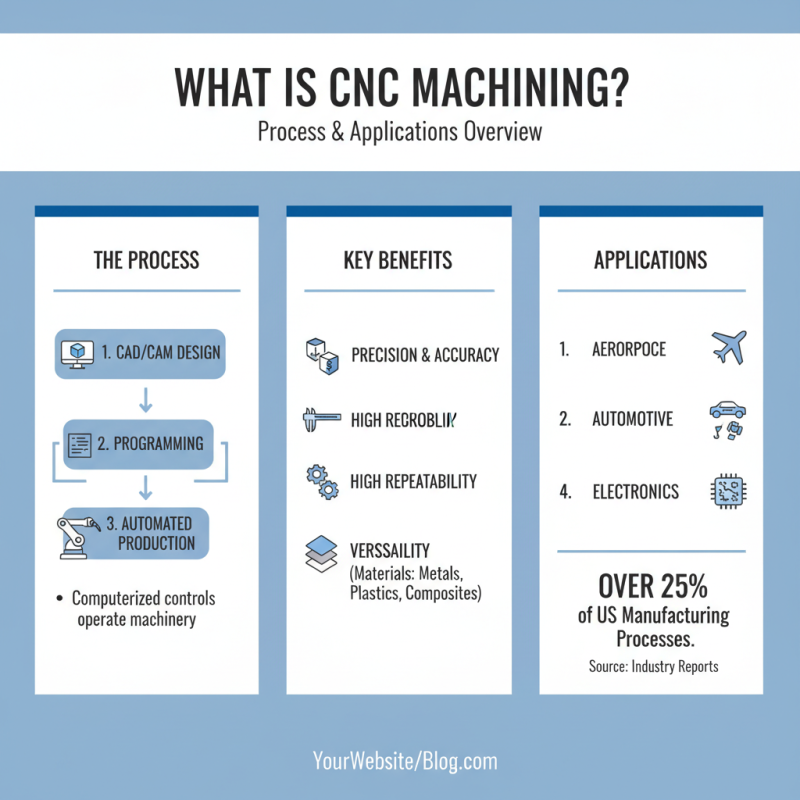
CNC machining, or Computer Numerical Control machining, is a modern manufacturing process that utilizes computerized controls to operate machinery. It automates the production of precise parts and components from various materials, including metals, plastics, and composites. According to industry reports, CNC machining accounts for over 25% of all manufacturing processes in the U.S., highlighting its significant role in various industries.
The applications of CNC machining are vast. It is utilized in aerospace, automotive, Electronics, and medical device manufacturing, to name a few. The precision offered by CNC machining is crucial for the production of complex shapes and components. For instance, Zinc Alloy CNC machining is particularly popular due to the material's excellent mechanical properties and corrosion resistance. This combination results in products that not only meet but often exceed industry standards.
Tips: When choosing a CNC machining service, consider their experience and production capabilities. Evaluate their quality control processes thoroughly. A reliable service provider should also offer a diverse range of materials, including various alloys. Not every provider can handle complex designs, so ask for examples of their previous work before committing.
Key Benefits of CNC Machining in Modern Manufacturing
CNC machining has transformed modern manufacturing. Its precision and efficiency make it essential for many industries. The benefits of CNC machining are multiple, from reducing waste to improving product quality. This technology uses computer-controlled tools to shape materials like metals and plastics. One popular material is copper, known for its conductivity and durability.
Choosing the right CNC service can be complex. Look for one that specializes in materials relevant to your project. Copper material CNC machining requires specific expertise. Pay attention to the level of detail in their previous projects. Ensure they have the necessary certifications.
Here’s a tip: ask for samples of their past work. It provides insight into their capabilities. Additionally, communication is key. Ensure they understand your specifications. This proactive approach can eliminate misunderstandings before production starts. Remember, not every CNC service will meet your needs, so take your time in the selection process.
Types of CNC Machines and Their Specific Functions
CNC machining offers various types of machines, each designed for specific tasks. Understanding these types is essential for choosing the right service. A report by MarketsandMarkets reveals the CNC machine market is expected to reach $100 billion by 2026. This growth stems from industries recognizing the precision and efficiency CNC technology provides.
Lathes, for example, are perfect for cylindrical parts. They efficiently create items with a rotational symmetry. Mills, on the other hand, are versatile. They can handle various shapes and sizes, making them ideal for complex projects. A recent survey noted that 60% of manufacturers prefer milling machines for their adaptability. Waterjet cutters are excellent for materials like glass and metal. They use high-pressure water to create intricate designs without compromising material integrity.
While CNC technology is advanced, challenges remain. Maintenance can be costly and time-consuming. Additionally, programming these machines requires skilled professionals. A study from the American Society of Mechanical Engineers highlights that training is crucial for optimizing production efficiency. Effective training programs can reduce operational errors by up to 25%. Understanding the specific functions of CNC machines can cut costs and enhance project outcomes.
Factors to Consider When Choosing a CNC Machining Service
When selecting a CNC machining service, several key factors come into play. The type of material is crucial, especially when considering options like stainless steel. Different services may specialize in various materials, affecting their capabilities. Be sure to inquire about their experience with stainless steel CNC machining. Understanding service options and material compatibility enhances your project’s success.
Quality assurance is another essential aspect. Look for companies that provide certifications and have robust quality control measures. Inadequate quality checks can lead to defects. Evaluate their past work through samples or case studies to assess their precision and reliability. It's easy to overlook this, but skipping this step may impact your outcomes significantly.
Timeliness and communication also matter. Delays in machining can halt your entire production line. Engage with potential services about their delivery timelines. Transparent communication is critical. A service that doesn’t provide clear updates can lead to misunderstandings. Effective dialogue can save time and reduce errors, which is vital in industries heavily reliant on stainless steel CNC machining.
CNC Machining Service Comparison
Industry Standards and Quality Assurance in CNC Manufacturing
In the world of CNC manufacturing, understanding industry standards is crucial. These standards ensure that every component produced meets specific quality benchmarks. Companies often undergo rigorous assessments to achieve certifications for precision machining processes. This leads to reliability in ODM Zinc Alloy CNC Machining. However, not all services adhere to these standards equally. Researching a service’s track record can illuminate potential issues.
Quality assurance in CNC machining involves regular inspections and testing. Manufacturers may implement checks at various production stages. This proactive approach helps identify defects early. Yet, maintaining consistent quality can be challenging. Even experienced machinists may overlook minor details. It's essential to scrutinize documentation and verify outcomes. This vigilance safeguards against mishaps in the final product.
Choosing the right service requires a focus on these quality indicators. Consider previous client testimonials and reviews. A solid reputation in the industry often speaks volumes. However, personal experience still plays a vital role in evaluating options. Sometimes, even the most established services can falter. Awareness of these potential pitfalls can guide better decision-making in selecting a CNC service that meets your needs.
Cost Analysis: Understanding CNC Machining Pricing Structures
Understanding CNC machining pricing structures involves several factors. Customization options, material selection, and complexity significantly influence costs. Different processes, like milling and turning, carry unique price points. Shorter production runs can raise per-unit costs, while bulk orders often reduce them.
When assessing service providers, it's crucial to request detailed quotes. Some may provide a lower base price, hiding extra charges. Watch for potential costs in setup, tooling, and delivery. Transparency is key; reliable companies will clarify every aspect with no hidden fees.
Budgeting for CNC machining also requires considering quality vs. cost. Cheaper options may lead to subpar results, impacting long-term investments. Reviewing past work and customer testimonials can provide insights. Prices do not always equate to quality, so a thorough analysis is essential before making a decision.
Future Trends in CNC Machining Technology and Innovations
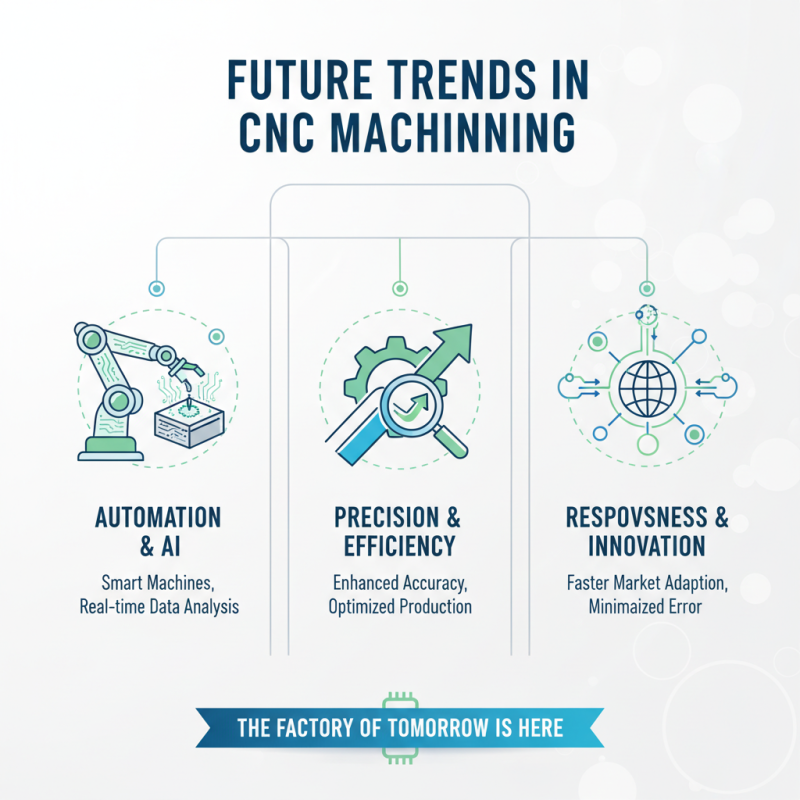
The future of CNC machining technology promises exciting innovations. Rapid advancements in automation and artificial intelligence are reshaping the industry. Smart machines can now analyze data in real-time, enhancing precision and efficiency. This shift minimizes human error and optimizes production schedules. Consequently, manufacturers can respond more swiftly to market demands.
Another trend is the integration of additive manufacturing with CNC machining. This hybrid approach allows for more complex geometries and can drastically reduce material waste. However, the learning curve for implementing these technologies can be steep. Some businesses might struggle initially, hesitant to fully embrace the changes.
Sustainability is becoming increasingly important in CNC machining. Companies are exploring eco-friendly materials and energy-efficient processes. Despite good intentions, efforts can sometimes fall short due to cost and availability. Firms must navigate this balance between innovation and practicality to remain competitive. Adopting new technologies requires a commitment to ongoing training and adaptation.
Harnessing Innovation: The Importance of CNC Precision-Machined Metal Components in Modern Manufacturing
In the ever-evolving landscape of modern manufacturing, the role of CNC precision-machined metal components has become increasingly critical. These components are not just parts; they are the backbone of complex industrial applications, meticulously engineered to meet the rigorous demands of today's manufacturing processes. According to a report by IBISWorld, the CNC machining industry has seen a growth rate of 5.0% annually, reflecting the increasing reliance on precision engineering in sectors such as aerospace, automotive, and medical devices.
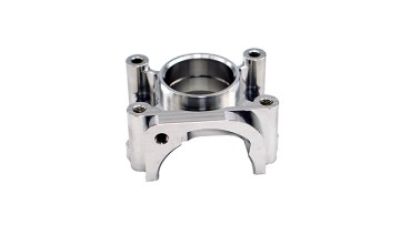
The advanced techniques employed in CNC machining allow for the creation of intricate, multi-feature designs that maintain tight tolerances as precise as ±0.01mm. This precision is paramount, particularly in high-stakes industries where even the slightest deviation can affect the performance and reliability of the final product. The smooth metallic finish of CNC machined components is not merely aesthetic; it signifies a standard of quality control that supports seamless integration within complex assemblies, minimizing assembly time and enhancing overall product efficiency.
Data from a recent analysis by Research and Markets highlights that the global CNC machining market is projected to reach USD 89.37 billion by 2025, showcasing an increasing demand for high-precision components across manufacturing sectors. This trend underscores the importance of harnessing innovation to keep pace with technological advancements, ensuring manufacturers remain competitive in a global marketplace. The integration of CNC precision-machined components is thus essential for driving efficiency, improving quality, and fostering innovation in modern manufacturing practices.
FAQS
: CNC machining is a manufacturing process that uses computer controls to operate machinery for precise part production.
CNC machining works with various materials, including metals, plastics, and composites.
It's crucial for producing complex shapes and improving product quality across many industries.
Look for experience, production capabilities, and quality control processes in the service provider.
Request examples of their work and inquire about their certifications and expertise with your chosen materials.
Industry standards ensure components meet quality benchmarks, leading to greater reliability in production.
It includes regular inspections and testing at various stages to catch defects early.
No, research is necessary. Some services may not strictly adhere to quality standards or certifications.
Clearly express your specifications and expectations upfront to minimize misunderstandings later.
Even skilled machinists can overlook small details, affecting final product quality. Regular scrutiny helps mitigate this risk.
Conclusion
CNC machining is a revolutionary manufacturing process that uses computer-controlled machines to produce precise components across various industries. This article provides an overview of CNC machining, highlighting its diverse applications and the significant benefits it offers, such as enhanced accuracy and efficiency. It also explores the different types of CNC machines and their specific functions, helping manufacturers select the right tools for their operations.
When choosing a CNC machining service, several factors should be considered, including industry standards and quality assurance practices that ensure optimal results. Additionally, a cost analysis of CNC machining pricing structures can aid businesses in making informed decisions. The article concludes with a look at future trends and innovations in CNC machining technology, emphasizing its ongoing evolution and importance in modern manufacturing.