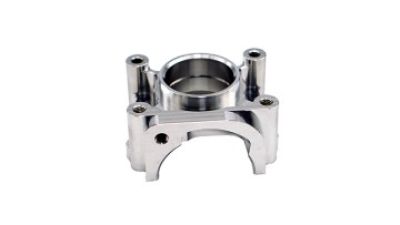
Hey there! So, the 139th Canton Fair coming up in 2026 is really shaping up to be pretty exciting, especially for folks interested in Cnc Machining Parts. It’s happening from April 15 to May 5, and this year, they're really focusing on big areas like advanced manufacturing and new materials—kind of cutting-edge stuff. One cool thing being rolled out is an AI-powered search and navigation system. Basically, it helps buyers find suppliers faster, especially those with specific certifications like ISO or CE. It’s a smart move to make navigating this huge 1.55 million square meter event a lot easier.
CNC machining parts are gonna be pretty much at the spotlight, showing off the latest tech and trends. Companies will bring their best precision components that meet top industry standards. But, of course, it’s not all smooth sailing—smaller exhibitors might have a tough time standing out in such a packed crowd. Also, not everyone’s fully on board with the AI tools yet, which could mean missing out on some opportunities. Getting feedback from participants will be super important for making future fairs even better.
All in all, the 139th Canton Fair’s looking like a lively and insightful showcase of CNC machining parts. You’ll get a good mix of high-tech and industry diversity, offering some valuable takeaways. If you’re attending, it’s a good idea to think about your approach so you can make the most of this awesome event!
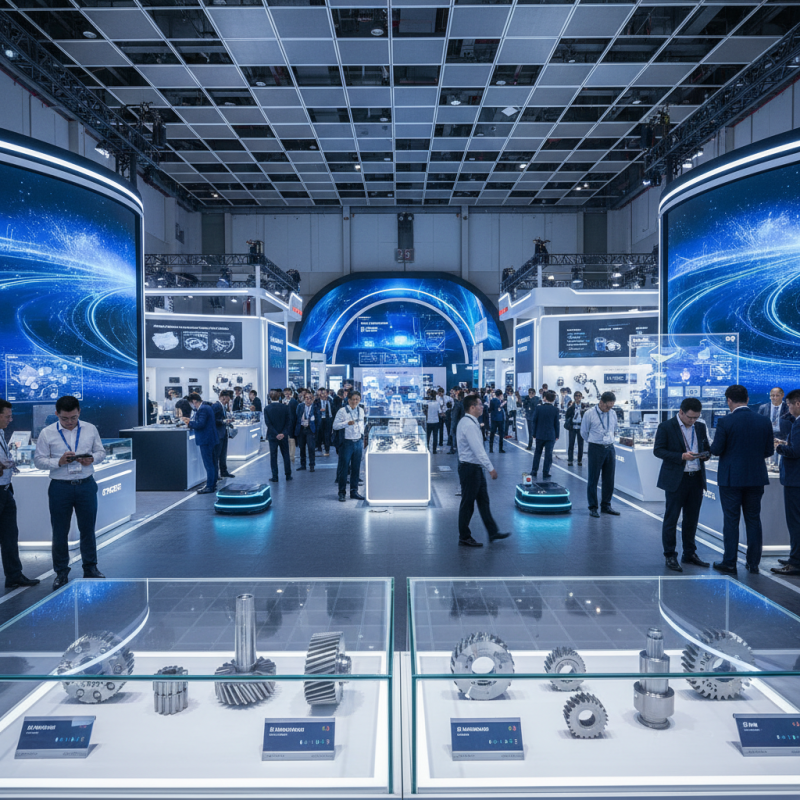
Emerging Technologies in CNC Machining at the Canton Fair 2026
The 139th Canton Fair in 2026 promises to showcase cutting-edge innovations in CNC machining. Emerging technologies will redefine how businesses approach manufacturing processes. From automation advancements to artificial intelligence integration, the landscape is evolving rapidly. Many exhibitors are eager to demonstrate their latest tools and techniques.
One notable trend is the rise of smart CNC machines. These devices utilize sensors to collect data in real-time. They can adjust operations on the fly, improving accuracy and efficiency. This technology enables manufacturers to pivot quickly, catering to changing demands. However, integrating these systems poses challenges. Companies must train staff to leverage these new tools effectively.
Additionally, sustainability remains a hot topic. Eco-Friendly machining practices are gaining traction. Techniques that minimize waste and energy consumption are becoming priority. Despite optimism, many firms struggle to balance sustainability and production costs. The journey toward greener practices is complex and not without hurdles. Observing these trends at the Canton Fair will be crucial for industry leaders.
Top Parts CNC Machining Trends at 139th Canton Fair 2026
| Trend | Description | Emerging Technology | Applications | Impact |
| AI-Driven Optimization | Utilizing AI algorithms for process optimization in CNC operations. | Machine Learning | Manufacturing, Aerospace, Automotive | Increased efficiency and reduced waste. |
| 3D Printing Integration | Combining CNC machining with additive manufacturing for complex parts. | Hybrid Manufacturing | Medical Devices, Aerospace Components | Enhanced design flexibility and part customization. |
| Automation and Robotics | Increased use of robotic arms for handling and assembly in CNC operations. | Robotics | Production Lines, Warehousing | Reduced labor costs and faster production rates. |
| Sustainable Practices | Focus on energy-efficient machines and recyclable materials. | Eco-Friendly Manufacturing Technologies | Consumer Goods, Construction | Lower carbon footprint and compliance with regulations. |
Innovations in Materials for CNC Machined Parts
The 139th Canton Fair in 2026 showcases significant innovations in materials for CNC machined parts. As industries strive for lighter and stronger components, advancements in composite materials are gaining traction. According to recent industry reports, the use of carbon fiber reinforced plastics has surged by over 30% in the last five years. This trend highlights a growing demand for high-performance materials that can withstand extreme conditions.
In addition, metals like titanium and aluminum alloys are seeing enhanced applications in CNC machining. These materials offer a blend of durability and weight reduction. However, their cost can be prohibitive. Reports indicate that titanium, while excellent in strength, is about three times more expensive than steel. This price factor could limit its use in some sectors.
Despite these advancements, challenges remain. The CNC machining process can produce waste. The need for more efficient manufacturing methods is clear. Studies show that nearly 20% of materials are wasted during production. Efforts to minimize this waste are crucial for sustainability. As we move forward, balancing innovation and cost-effectiveness will be vital for the future of Parts Cnc Machining.
Environmental Sustainability Trends in CNC Machining
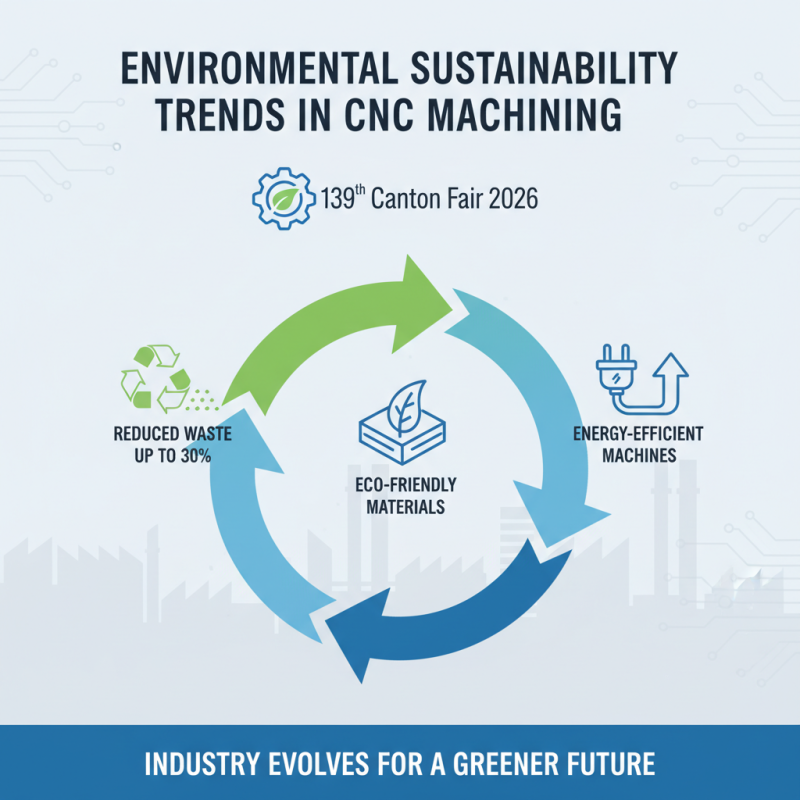
The CNC machining industry is rapidly evolving towards environmental sustainability. At the 139th Canton Fair in 2026, this shift is evident in the technologies showcased. Industry reports reveal that sustainable practices can reduce waste by up to 30%. Companies are increasingly investing in eco-friendly materials and energy-efficient machines.
The use of biodegradable lubricants is gaining traction. These alternatives not only reduce harmful pollutants but also enhance machine performance. Reports indicate that 50% of companies are adopting these sustainable lubricants. Recyclable components are becoming standard in new CNC machines. This trend reduces landfill waste and promotes a circular economy.
Tips: Consider integrating renewable energy sources in your operations. This can lower energy costs significantly. Evaluate your waste management practices. Small changes can lead to substantial improvements in sustainability. It’s important to engage with both suppliers and clients to promote green initiatives.
Automation and Robotics in CNC Machining Processes
The 139th Canton Fair in 2026 will showcase remarkable trends in CNC machining. A key focus will be on automation and robotics. These technologies are transforming the landscape of CNC machining processes. With machines becoming more autonomous, efficiency is on the rise. However, the integration is not without challenges.
On one hand, automated CNC machining can reduce human error and speed up production. Machines can operate continuously, producing high-quality Machining Cnc Parts. On the other hand, relying too heavily on automation can create a skills gap. Workers may lack essential skills as machines take over more responsibilities. Companies must find a balance.
Robotics also plays a critical role in this evolution. Collaborative robots, or cobots, work alongside humans, enhancing productivity. They can assist in tasks that are repetitive or hazardous. Yet, companies must carefully assess whether their staff is adaptable to these changes. Training and education are vital for a smooth transition. In the end, the benefits of automation in CNC machining are clear, but the need for human skills remains crucial.
Market Demands Shaping CNC Machining Trends
The CNC machining industry is evolving rapidly, with market demands driving these changes. According to recent studies, the global CNC machining market is expected to reach $100 billion by 2026, showcasing significant growth. The push for efficiency and precision is paramount. Businesses are increasingly seeking Precision Machining Parts to meet exact specifications.
One notable trend is the rise of automation in CNC machining processes. Automation can enhance production efficiency by up to 30%. However, the initial investment can be daunting for small manufacturers. Additionally, the demand for sustainable practices is shaping operational choices. Eco-friendly materials and waste reduction strategies are becoming necessary considerations for businesses.
Moreover, the customizability of precision machining parts is increasingly important. Customers desire tailored solutions that meet specific requirements. Yet, balancing customization with mass production remains a challenge. As demand fluctuates, companies must adapt quickly. The need for skilled labor is also on the rise, creating a skills gap that may hinder growth. Addressing these trends will require careful planning and strategic investment in workforce development to keep pace with market demands.
Networking Opportunities for CNC Machining Professionals
At the 139th Canton Fair in 2026, CNC machining professionals will find unique networking opportunities. This event aims to connect experts across the industry. Participants can engage with peers, share experiences, and explore the latest trends in Machining Parts. Meeting face-to-face fosters stronger relationships and creates an environment conducive to collaboration.
The fair will feature discussions on technological advancements in machining parts. Attendees can learn about innovations and best practices. Informal meetings and workshops will provide space for real-time feedback. Sharing challenges and solutions could lead to valuable insights. However, not every conversation will yield immediate results. Some issues may require deep reflection over time, but that’s part of the growth process.
Additionally, this gathering will attract a diverse range of professionals. Different perspectives can sometimes lead to misunderstandings. However, effective communication can bridge these gaps. The chance to learn from one another is invaluable. Every interaction will help shape the future of CNC machining. These connections may inspire new ideas that drive the industry forward.
Future Projections for CNC Machining in Global Markets
CNC machining is evolving rapidly. According to a recent industry report, the CNC machining market is projected to reach $100 billion by 2026. This growth is driven by automation and advancements in precision manufacturing. A notable trend is the increasing adoption of smart technologies. These technologies enhance efficiency and accuracy, but their implementation poses challenges for many businesses.
As more companies embrace Industry 4.0 principles, the integration of IoT devices with CNC machines becomes crucial. This integration allows for real-time monitoring and predictive maintenance. However, smaller firms often struggle with the upfront costs and technical expertise required. Data shows that companies investing in such technologies see an average productivity increase of 30%.
Sustainability is another critical concern. Many manufacturers are seeking eco-friendly materials and processes. A study indicated that 60% of manufacturers are prioritizing sustainability initiatives. However, transitioning to greener practices can be complex and expensive. Companies must navigate supply chain constraints and the availability of sustainable materials. This sector is not without its challenges, but the potential benefits are significant.
Unlocking the Potential of CNC Precision-Machined Metal Components for Modern Manufacturing Solutions
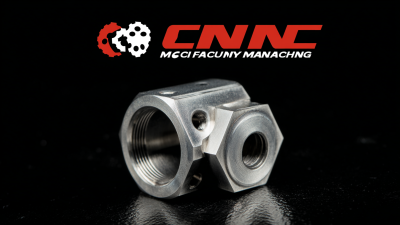
In the realm of modern manufacturing, the demand for precision and efficiency has never been greater. Unlocking the potential of CNC precision-machined metal components offers innovative solutions that cater to this need. These components are meticulously crafted using state-of-the-art CNC machining techniques, which ensure high precision and adaptability for various industrial applications. The intricate designs that can be achieved allow for the integration of multiple features without sacrificing performance.
One of the standout qualities of these components is the strict tolerance control, achievable to within ±0.01mm. This level of precision is essential in industries where even the slightest deviation can lead to significant operational issues. The smooth metallic finish not only enhances the aesthetic appeal of the components but also ensures their compatibility within complex assemblies. Such features make CNC precision-machined metal parts an ideal choice for manufacturers aiming to enhance the functionality and reliability of their products. By leveraging this advanced machining technology, industries can create components that meet the rigorous demands of today’s manufacturing landscape.
FAQS
: The industry is focusing on eco-friendly materials and energy-efficient machines to reduce waste and enhance sustainability.
Sustainable practices can cut waste by up to 30%. Small changes in operations can make a big difference.
Biodegradable lubricants are gaining popularity. They reduce pollutants and can improve overall machine performance.
Using recyclable parts minimizes landfill waste and promotes a circular economy within the industry.
Integrating renewable energy sources can significantly lower energy costs, enhancing overall sustainability.
A heavy reliance on automation can create a skills gap, leaving workers without essential abilities.
Cobots assist human workers with repetitive or hazardous tasks, boosting productivity and safety.
Education ensures that staff can adapt to new technologies, maintaining the balance between machines and human skills.
While automation improves efficiency, it may lead to a decreased workforce engagement in critical skills.
Engaging with suppliers and clients is vital to foster green practices and enhance sustainability efforts.
Conclusion
The 139th Canton Fair in 2026 is poised to showcase significant advancements in Parts CNC Machining. Emerging technologies will revolutionize processes, while innovations in materials will enhance the functionality and durability of CNC machined components. Environmental sustainability is a key focus, with trends emphasizing eco-friendly practices and materials in manufacturing. Additionally, automation and robotics are set to streamline CNC machining processes, increasing efficiency and precision.
Market demands are driving these trends, as the need for high-quality, customizable parts continues to rise globally. The fair will also provide valuable networking opportunities for professionals in the CNC machining industry, fostering collaboration and knowledge exchange. Looking ahead, future projections suggest that Parts CNC Machining will evolve, adapting to technological advancements and market needs, thereby reinforcing its critical role in global manufacturing.