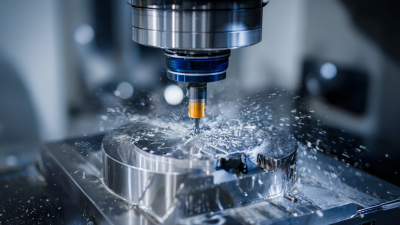
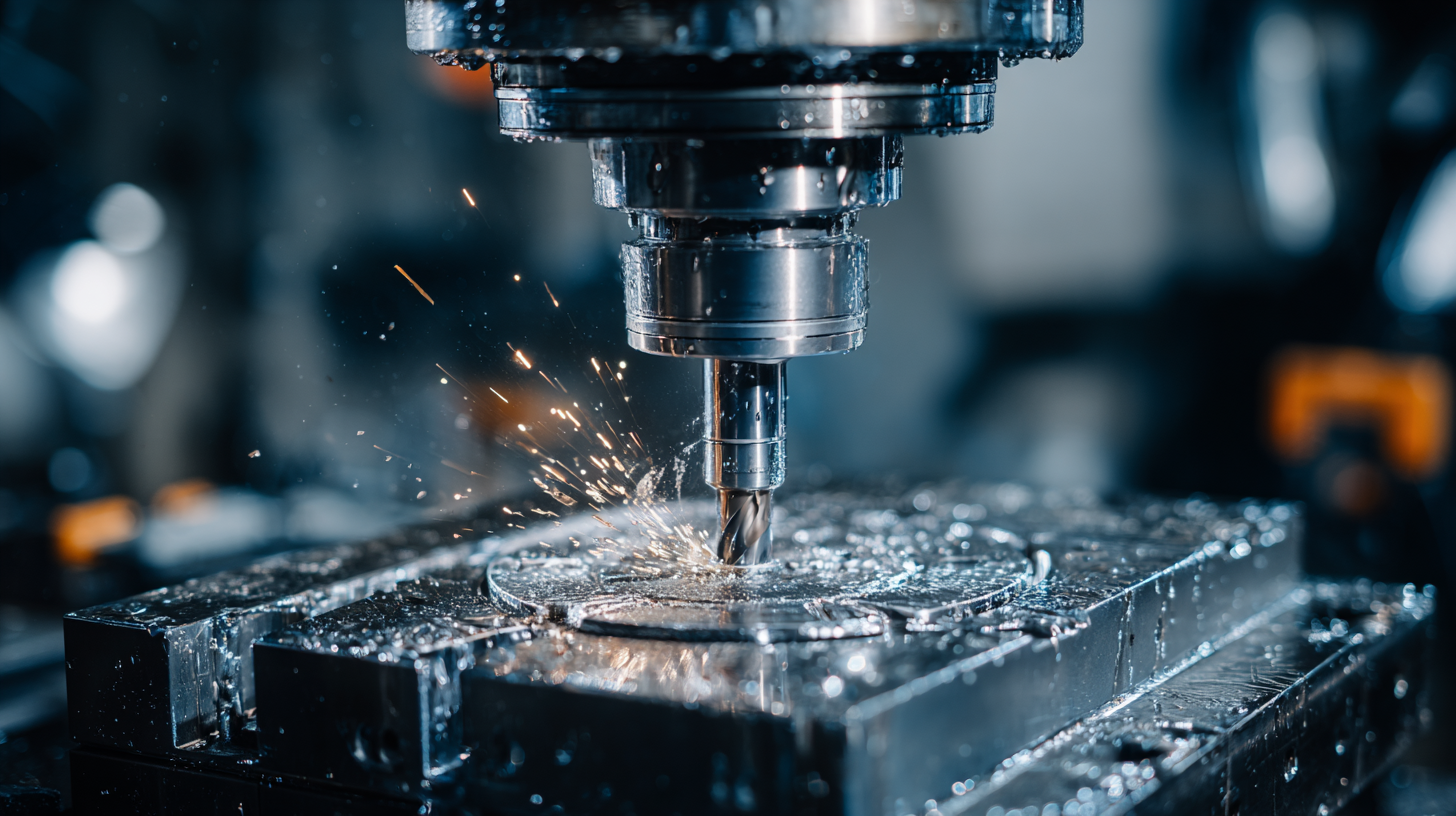
Today’s manufacturing world is pretty competitive, and the demand for high-quality Precision Cnc Machining Services is just keepin’ on growing. Industries that need top-notch precision and efficiency in their production are really driving this trend. If you’ve seen recent reports, they say the global CNC machining market could hit around $100 billion by 2025—that’s a huge leap and shows how much companies are betting on advanced manufacturing tech lately. Firms like Shengyi Intelligent Technology Co., Ltd., who specialize in CNC turning and milling parts, plus metal Stamping components, are really leading the charge here. They’re constantly coming up with innovative solutions that boost both precision and efficiency. As manufacturers look to get the most out of their operations, it’s pretty clear that exploringalternative strategies for precision machining is becoming more and more essential to meet the high standards of today’s market.
Understanding CNC Machining: Key Concepts and Terminology
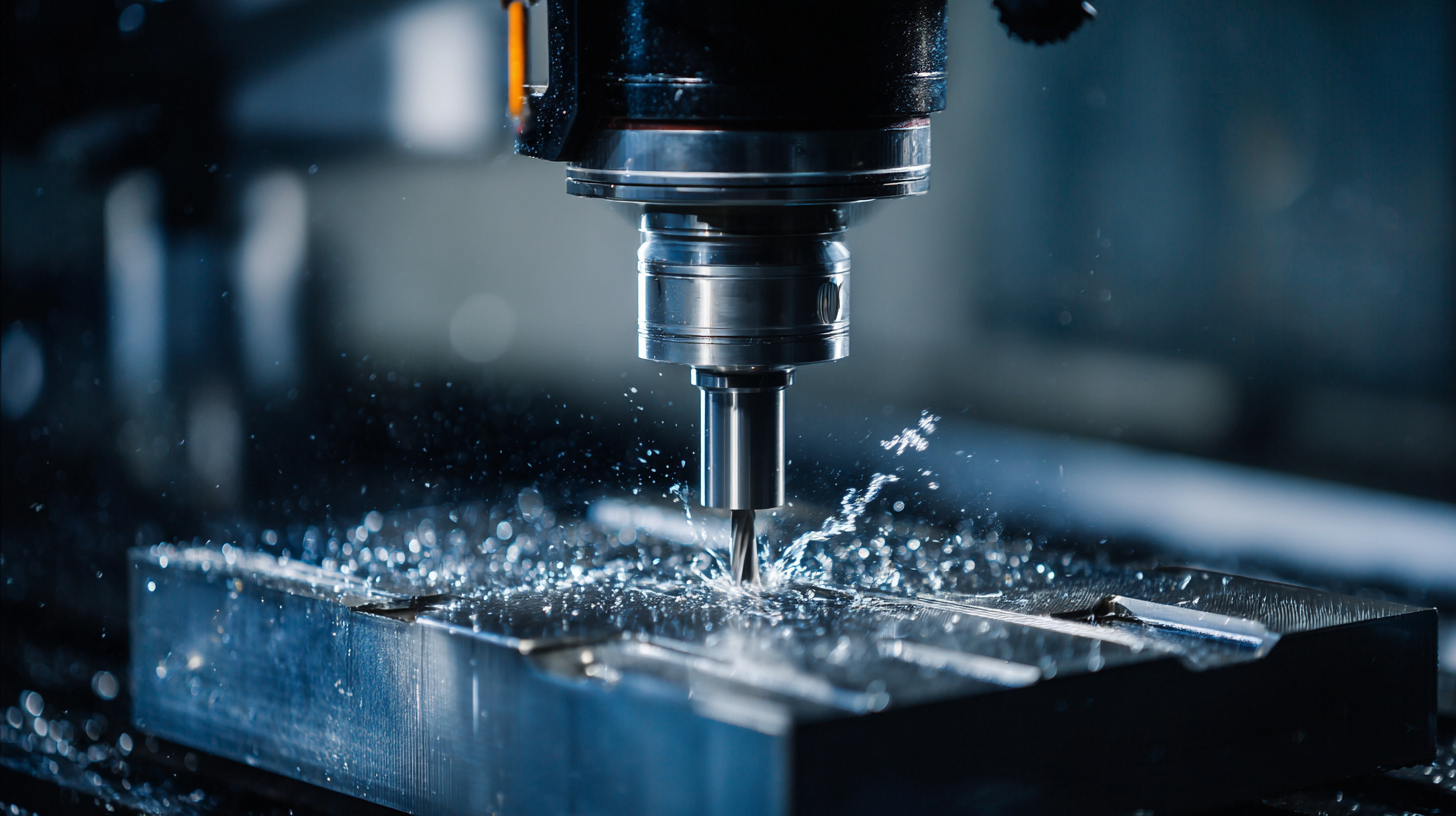
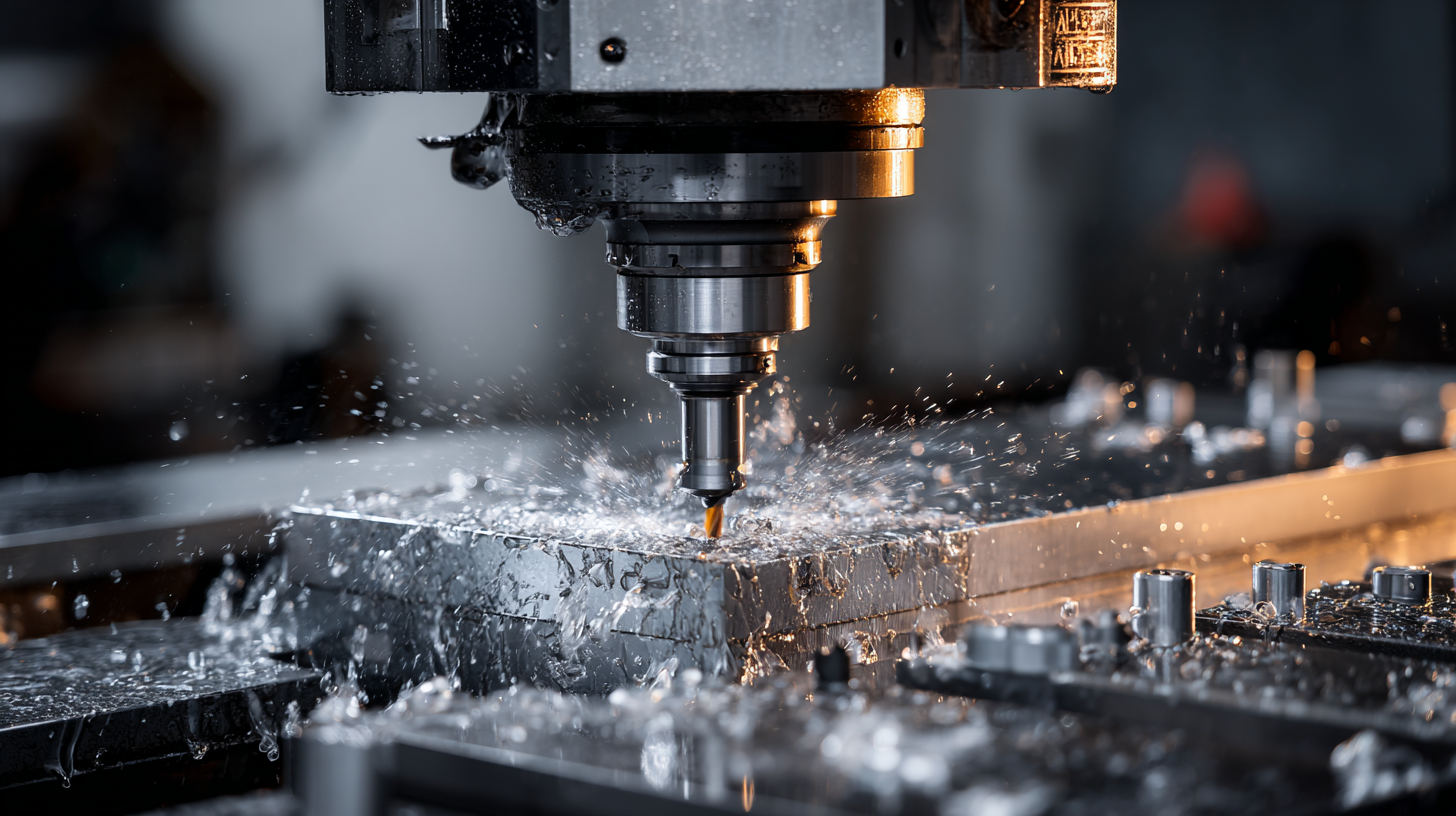 CNC machining is really at the heart of modern manufacturing these days — it’s all about combining crazy precision with automation that just keeps getting better. If you’re trying to level up your skills or services, it’s super important to get a handle on the main concepts and terminology around CNC, or Computer Numerical Control. At its core, CNC is about turning those complex designs into smooth, exact movements. You’ll hear about G-code a lot — think of it as the language CNC machines speak. It’s basically the set of instructions telling the machine how to carve out parts with pinpoint accuracy.
Another thing to keep in mind is understanding what we call system boundaries — that’s basically knowing what the machine can and can’t do. It includes physical stuff like how far a tool can reach, how many axes it can move along, and what kinds of materials it’s effective with. For example, the TURN 60 CNC turning machine is a pretty stellar example of high performance, with a two-axis system that provides serious accuracy and power across different industrial jobs. Getting familiar with these ideas isn’t just about better machine operation — it’s about making sure that using CNC tech boosts your productivity and the overall quality of your manufacturing work.
Essential Tools and Technologies for Improved Precision in CNC Machining
Getting the essentials right is a big deal when it comes to making CNC machining more precise. As more industries jump on the digital manufacturing bandwagon, you really can't ignore how much it boosts productivity. One of the key factors? Using advanced tool holders. These things don’t just hold tools securely—they also cut down on runout, really helping to make sure parts are spot-on accurate.
If you want to fine-tune your CNC precision, a good rule of thumb is to regularly check your tools and swap out the worn ones without delay. Plus, using high-quality mechanical components in your machines makes a big difference in keeping results consistent. Focus on these areas, and you'll see improvements not just in accuracy but also in overall efficiency.
And don’t forget about investing in CNC tool and cutter grinders. These machines are awesome at keeping your cutting tools sharp and in tip-top shape. When your tools are in the best condition, they work better, errors drop, and there's less material wasted. By embracing these tech upgrades, businesses will be better equipped to handle today’s high standards in precision machining—and stay ahead as they grow into the future.
Techniques for Optimizing CNC Machine Setup and Calibration
When it comes to getting the most out of your CNC machining services, setting up and calibrating your machines properly really makes a huge difference in both accuracy and efficiency. If your machine is well-calibrated, it’ll give you consistent results, and that's pretty much key for maintaining good quality in your production.
Here’s a little tip: make it a habit to perform preventive maintenance regularly. Checking all the components — lubricating moving parts, looking out for wear and tear, and tweaking things as needed — can really help avoid mistakes and even extend the life of your equipment. It’s kinda like tending to your car — a little upkeep goes a long way!
And don’t forget, taking the time to thoroughly set up your CNC for each new project can seriously improve accuracy. This means properly aligning your workpiece, double-checking tool offsets, and reviewing all the machining settings before you start. Rushing through this step often leads to errors, so it’s worth doing right.
A handy tip: use digital measuring tools—like laser alignment devices or dial indicators—to make sure everything is spot on. These tools help confirm that your setup is perfect, which reduces the chance of mistakes during machining. Having a good, methodical approach to setting up your machine not only boosts your precision but also speeds up the whole process, making everything run smoother overall.
Implementing Effective Quality Control Measures in CNC Operations
Getting quality control right in CNC operations is a total game-changer when it comes to improving both precision and efficiency. Honestly, one of the best ways to do this is by taking a systematic approach to inspections throughout the whole machining process. This means doing in-process checks using tools like calipers, micrometers, or even vision systems — whatever helps ensure the parts are up to scratch before moving on. Catching any issues early on can save a bunch of time and money since you’ll reduce rework and waste. In the end, it keeps the production cycle smooth and a lot less stressful.
Another key piece of the puzzle is setting up clear, standardized operating procedures (SOPs) for how machines are set up and run. These SOPs help make sure everyone’s on the same page, which means less variation and more consistent results. It’s also really helpful to regularly train operators on these procedures — not just to boost their confidence and understanding of what quality looks like, but also to help them spot problems before they get out of hand. Plus, using data analytics from CNC machines can give some pretty useful insights into how the machines are performing. This way, you can do proactive maintenance and keep everything running smoothly without surprises.
Strategies for Streamlining Workflow and Reducing Downtime
In today’s fast-moving world of manufacturing, it’s really crucial to make workflows smoother and cut down on downtime if you want your CNC machining to be more precise and efficient. One game-changing move? Bringing in new tech like AI. When manufacturers use AI tools to analyze data on the fly, they can spot bottlenecks and fine-tune their processes. This not only helps shave off cycle times but also bumps up the quality of the final product. Plus, it means the shop stays up and running longer, while resources are used a lot smarter — saving money all around.
Another big win is adopting workflow optimization systems. These tools can really overhaul how things get done, thanks to automation and diagnostics. They help different parts of production work together smoothly and cut down on the variability that often throws things off course. By focusing on eliminating waste — whether that’s overproduction, defects, or unnecessary steps — companies can really boost their CNC services. And don’t forget about connected worker solutions — giving employees real-time info can be a total game changer, making the whole operation more accurate and efficient.
Training and Skill Development: Elevating Your CNC Team’s Expertise
In today's super competitive world, improving the accuracy and efficiency of CNC machining isn't just about having the right tools — it’s really about investing in your team. You’ve gotta put focus on proper training and developing skills because, honestly, modern machining is pretty complex, and having a workforce that's both knowledgeable AND skilled makes all the difference. Offering programs that boost tech skills doesn't just make employees better at their jobs; it also sparks innovation and helps everyone stay flexible, which is super important since market demands keep changing.
Lately, we've seen a lot of efforts across different industries showing just how vital ongoing training really is. For example, some initiatives aim to help unemployed youth get into fields like CNC machining — and, surprisingly, they work great at closing that skills gap and warming up local economies. Plus, teamwork and continuous learning in tech and vocational education really emphasize that you gotta keep learning to stay ahead in industries that move fast. If CNC service providers put money into skill-building, they’re setting their teams up to handle challenges more confidently, which means better productivity and precision in their machining work — it’s really a win-win.