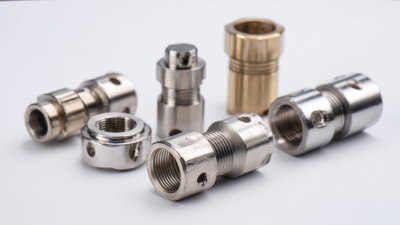
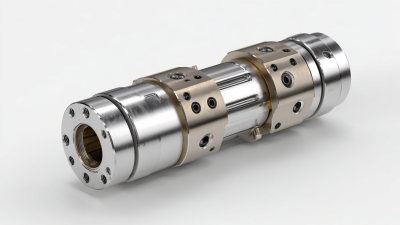
In today’s fast-moving world of manufacturing, getting a good grip on Metal Connectortech is pretty important. I recently saw some reports from MarketsandMarkets that suggest the global market for connectors—including the metal ones—is on track to hit around $95 billion by 2026. And honestly, a big part of that growth comes from the auto industry and other heavy industries demanding more reliable connections. For companies out there, picking the right Metal Connector isn’t just a technical thing—it can really make a difference in how efficient and dependable their operations are.
Metal Connectors are pretty much everywhere—powering machinery, transmitting data, you name it. Their durability really comes into play when you’re dealing with harsh environments—heat, moisture, electromagnetic interference—you know, the stuff that can mess things up. But here’s the thing: a lot of businesses overlook the details when it comes to choosing the right connector. That lack of know-how can lead to failures that, honestly, could’ve been avoided with just a little more info.
For example, standards like IEC 60529, which covers ingress protection, really matter. Ignoring them can lead to costly downtime—no one wants that. Big players like Amphenol and TE Connectivity stress how important it is to do proper testing to make sure everything works smoothly. Looking back on past choices can help us do better down the road. So, selecting the right Metal Connector isn’t only about technical specs; it’s a strategic decision that can truly make or break a project’s success.
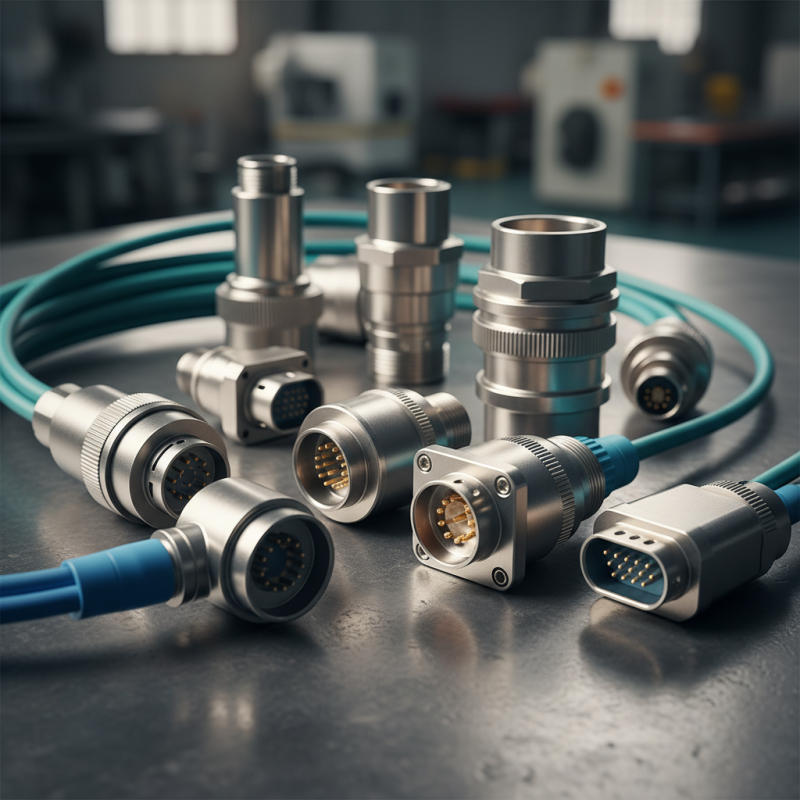
Metal connectors play a vital role in various industries. They create strong and reliable connections in electrical and mechanical applications. Understanding different types of metal connectors can help you choose the right one for your needs.
There are several Metal Connector Types available. These include terminal connectors, splices, and plugs. Terminal connectors are used for connecting wires to devices. They provide efficient current transfer. Splices are often used to join two cables together. Each splicing method has its own advantages and limitations. Plugs and sockets are essential for connecting cords to electrical devices. They ensure portability and ease of use.
When selecting a metal connector, consider the materials and ratings. Different metals have varying conductivity and strength. Using the wrong connector can lead to failures and safety hazards. Sometimes, connectors corrode or wear out quickly. It’s essential to inspect them regularly. This oversight can result in performance issues. By learning about various metal connector types, you can make better choices for your applications.
Metal connectors are essential components in various applications. Understanding their key properties can greatly influence project success. Conductivity is one of the most critical aspects. Good conductivity ensures minimal energy loss. Various metals exhibit different conductivity levels. Copper is often preferred for its high conductivity. However, sometimes cost considerations may lead to alternative choices.
Strength is another vital property. Metal connectors must withstand mechanical stress. Connectors might face vibrations, temperature changes, and physical impacts. Choosing the right material can enhance resilience. Steel offers high strength but is heavier. Aluminum can be a lighter alternative, though it may sacrifice some strength. Each project has specific needs.
Durability plays a significant role in long-term performance. Connectors should resist corrosion and wear. Not all metals fare well in adverse environments. Stainless steel provides strong resistance but can be costly. It’s crucial to weigh cost against longevity. Many fail to consider durability until after installation. This can lead to costly repairs later. Reflecting on these properties can guide better decision-making in connector choices.
| Connector Type | Conductivity (S/m) | Tensile Strength (MPa) | Durability (Cycles) |
|---|---|---|---|
| Copper Connector | 5.8 x 10^7 | 210 | 10,000 |
| Aluminum Connector | 3.5 x 10^7 | 140 | 8,000 |
| Brass Connector | 1.5 x 10^7 | 300 | 15,000 |
| Stainless Steel Connector | 1.0 x 10^6 | 520 | 5,000 |
When it comes to metal connectors, industry standards are crucial. The International Electrotechnical Commission (IEC) and Underwriters Laboratories (UL) set the benchmarks. These organizations ensure safety and compatibility in electrical components. Obtaining certification from these bodies is essential for manufacturers. It helps in maintaining quality and increasing customer trust.
The IEC focuses on international standards, while UL emphasizes safety in the North American market. Both certifications involve rigorous testing. Products undergo various tests for durability and performance. However, not all manufacturers meet these standards. Insufficient attention to detail can lead to failures. Some connectors may look good but lack necessary certifications.
Manufacturers looking for ODM Metal Connectors must prioritize compliance. Ensuring that products meet IEC and UL standards is a step toward reliability. Companies sometimes overlook this in the rush to market. Yet, neglecting certification can lead to bigger issues later. These standards should never be an afterthought but a foundation for designing and producing connectors.
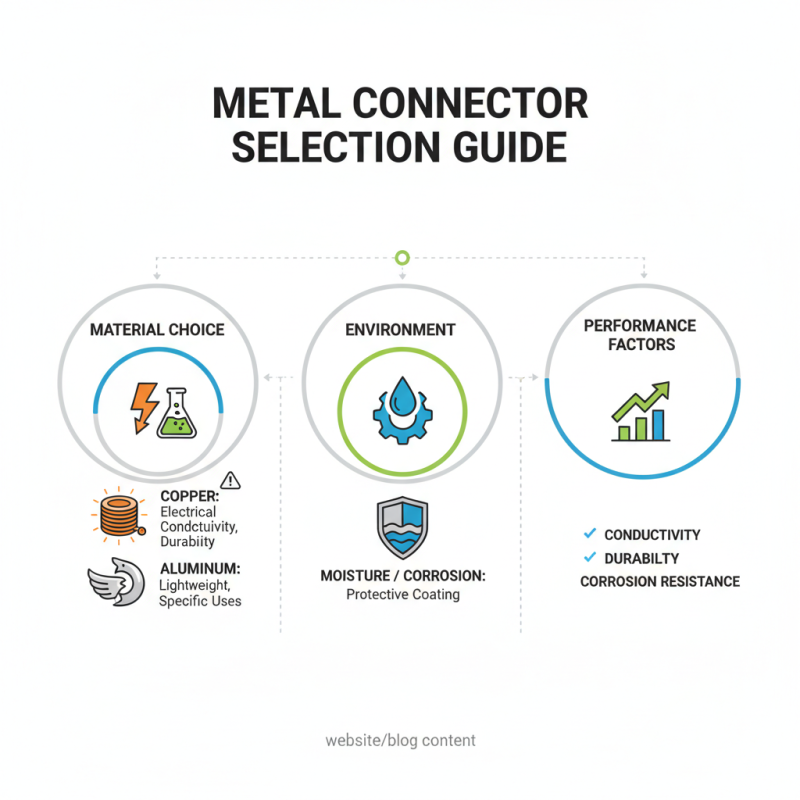
When selecting a metal connector, several factors can significantly impact performance. Material choice is crucial. Different metals offer varying levels of conductivity, durability, and corrosion resistance. For instance, copper is renowned for its electrical properties. Aluminum, meanwhile, is lighter but may require more careful selection for specific applications. Always consider the environment. A connector exposed to moisture may need a protective coating to prevent corrosion.
Another important factor is the size and design of the connector. A poorly fitting connector can lead to signal loss or mechanical failure. Measure twice before making a decision. Ensure that the connector matches the cable dimensions perfectly. A loose fit can be as detrimental as a tight fit. Look for connectors that are designed for your specific application needs. They are often tested for optimal performance in specific conditions.
Don’t forget to analyze your connectivity requirements. Will the application be temporary or permanent? Different scenarios demand different connector types. For example, some projects may require robust connectors for repeated use. Others might need lightweight options for occasional connections. Always evaluate the long-term implications of your choices. Reflect on how each connector will perform over time.
Maintaining metal connectors is crucial for their longevity and reliability. According to industry studies, over 30% of electrical failures stem from connector issues. This indicates a significant need for proper care and maintenance practices. Regular inspection is vital. Look for signs of corrosion or wear, which can weaken the connection. Even minor wear can lead to larger failures.
Cleaning metal connectors can enhance performance. Use a soft brush and isopropyl alcohol. This helps remove dirt and oxidation that can cause resistance. Watch out for excessive force during connections. Too much pressure can deform or damage the connectors, especially in OEM Metal Connector assemblies.
Temperature fluctuations can affect lifespan too. Ensure that connectors are rated for operating conditions. Poor environmental controls can reduce reliability. Keeping connectors dry and protected from moisture will extend their usefulness. Ignoring these considerations may lead to premature failures. Regular maintenance checks can save time and costs in the long run. Even small adjustments in care can yield significant improvements in performance.
Common failures in metal connectors often stem from poor design choices or insufficient maintenance. Corrosion is a major issue. It can weaken connections over time. This failure is especially common in environments with high humidity. The presence of moisture accelerates the corrosion process, leading to contact loss. Regular inspection of your Metal Connector Product can help identify early signs of corrosion.
Another root cause of failure is improper installation. If connectors are not securely attached, they can loosen over time. Vibration and temperature changes may exacerbate this issue. Always follow proper installation guidelines to reduce risks. Tightening connectors periodically is a good practice.
To prevent these problems, consider using quality materials that resist wear and corrosion. Ensure that metal connector products are rated for your specific application. Regular maintenance is crucial. Checking connections often will catch small issues before they escalate. Incorporating these tips can help ensure the longevity and reliability of your connections.
Metal connector technology is evolving rapidly. New advancements focus on improving efficiency and reliability. The integration of smart materials is one exciting trend. These materials can adapt to real-time conditions. They help maintain optimal performance and durability.
Another innovation is the use of automation in manufacturing processes. Automated machinery ensures precision. This reduces the margin for error and waste. However, relying solely on automation can lead to less human oversight. This may result in overlooked issues that require attention.
Sustainability is also a key focus in metal connector technology. Many manufacturers are exploring Eco-Friendly materials. These choices reduce environmental impact but come with their own challenges. Balancing efficiency and sustainability requires careful consideration. Striking the right balance is crucial for long-term success.
: The content aims to inform readers about a specific topic.
Most articles take about 5 to 10 minutes to read.
Yes, sharing is encouraged. Just ensure proper attribution.
Some articles may include relevant images or graphics.
Updates occur regularly, reflecting new information and trends.
The content is designed for anyone interested in the topic.
Absolutely. Feedback is welcomed to improve future articles.
Report errors to help enhance the article's accuracy and quality.
While intended for a broad audience, some sections may not be appropriate for children.
Additional resources can be found at the end of each article.
Metal connectors are critical components in electrical and mechanical systems, with various types serving different applications. Understanding their key properties—such as conductivity, strength, and durability—is crucial for selecting the right connector that ensures optimal performance. Adhering to industry standards like the IEC and UL certification processes helps guarantee safety and reliability.
Maintenance is vital for the longevity and performance of metal connectors, as common failures often stem from issues that can be prevented through proper care. Additionally, the metal connector industry is witnessing emerging trends with technological innovations aimed at enhancing efficiency. By staying informed about these essential factors, users can make knowledgeable decisions that contribute to the successful operation of their systems.