In today’s fast-changing world of manufacturing,Stamped Metal parts have really become a key player. They're known for being super versatile and efficient, making them a go-to choice across lots of industries. If you look at the latest reports fromMarketsandMarkets, the global metal Stamping market is expected to hit around$32.6 billion by 2025, growing at roughly 4.6% annually. Most of this growth is driven by the rising need for precision parts in sectors like automotive, aerospace, and electronics. Here at Shengyi Intelligent Technology Co., Ltd., we’re all about the research, development, manufacturing, and sales of high-quality CNC turning and milling parts, along with stamped metal components. We aim to meet whatever needs our clients might have. As manufacturers look for ways to boost productivity and cut costs, it’s more important than ever to explore new and innovative uses for stamped metal parts. This has led to some pretty exciting advancements and new applications in the industry — it’s an inspiring time to be in manufacturing, for sure.
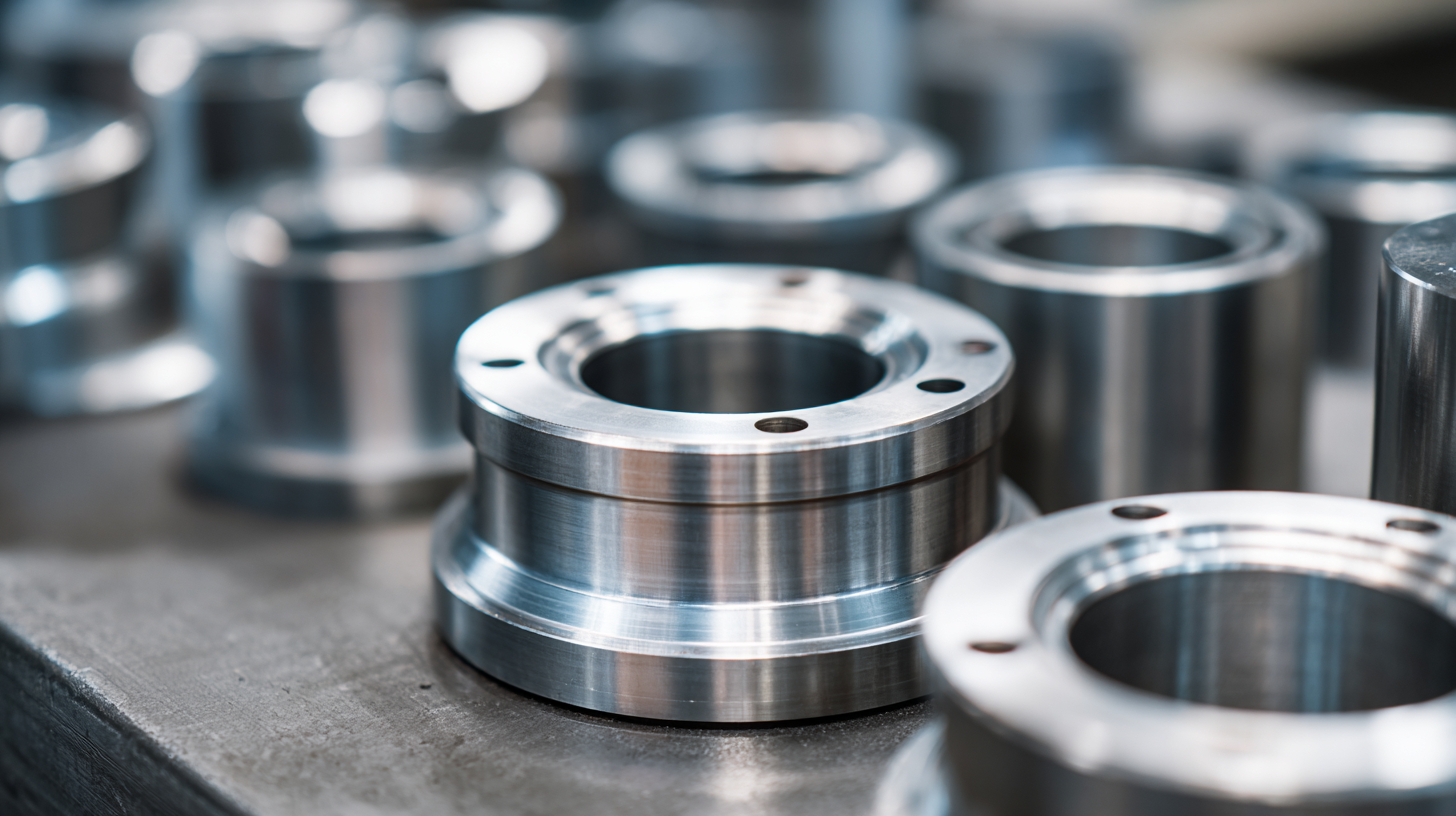
5 Innovative Uses of Stamped Metal Parts in Modern Manufacturing
Stamped metal parts have really become a key part of modern manufacturing these days. You see them everywhere—especially in the automotive world, where precisely stamped components are crucial for making cars safer and perform better. Companies use all sorts of advanced stamping techniques to craft intricate parts that not only boost aerodynamics but also help cut down on weight. That’s a big deal because it means vehicles can be more fuel-efficient, saving you money at the pump, and also helping the environment a bit.
In the electronics scene, stamped metal pieces are just as important. They’re used to make complex circuitry and support structures inside gadgets. Plus, they help keep electronic devices cool and shielded from electromagnetic interference, which is super important for sensitive tech. Thanks to recent improvements in stamping tech, manufacturers can now produce complex designs in huge quantities at a fraction of what it used to cost. This really helps companies stay innovative and keep up with the fast-paced tech world we live in. As industries keep evolving, it’s pretty clear that the flexible uses of stamped metal parts are going to keep pushing the boundaries in manufacturing and product design—no doubt about it.
5 Innovative Uses of Stamped Metal Parts in Modern Manufacturing
This chart illustrates the innovative applications of stamped metal parts in modern manufacturing, showcasing their significance across various industries.
Revolutionizing Automotive Design: The Role of Stamped Metal in Lightweighting Strategies
These days, lightweighting has become a big deal in car design, and stamped metal parts are really leading the charge in this whole shift. Car makers are now focusing on using lighter materials—not just to make vehicles more fuel-efficient but also to meet those super strict emissions rules. You know, industry reports suggest that by using some pretty advanced stamped metal parts, they can shave off up to 30% of a vehicle’s weight. That’s a game-changer because it boosts performance without compromising the car’s structural strength. Plus, for electric vehicles, every kilogram you save really adds up — helping to stretch out the range and cut down on energy use.
On top of that, new manufacturing techniques like metal 3D printing and generative design are really pushing the boundaries when it comes to lightweight solutions. Recent studies show that these techs allow for creating complex shapes and geometries that traditional methods just can’t handle. The market’s also on the rise — projections say the demand for lightweight materials in the auto industry could grow around 15% each year through 2026. So, as automakers keep adopting these innovations, stamped metal parts will stay a key part of the lightweighting game, steering the industry toward a greener, more sustainable future.
Enhancing Aerospace Efficiency: Stamped Components as a Solution for Weight Reduction
You know, in the aerospace world, trimming down weight is a big deal — it honestly makes a huge difference when it comes to fuel savings and overall performance. Lately, stamped metal parts have really been a game changer. They let manufacturers craft lightweight yet super durable parts that still pass all those tough safety standards. Thanks to some pretty advanced stamping techniques, engineers can now shape intricate designs — not just strong, but also way lighter than traditional options.
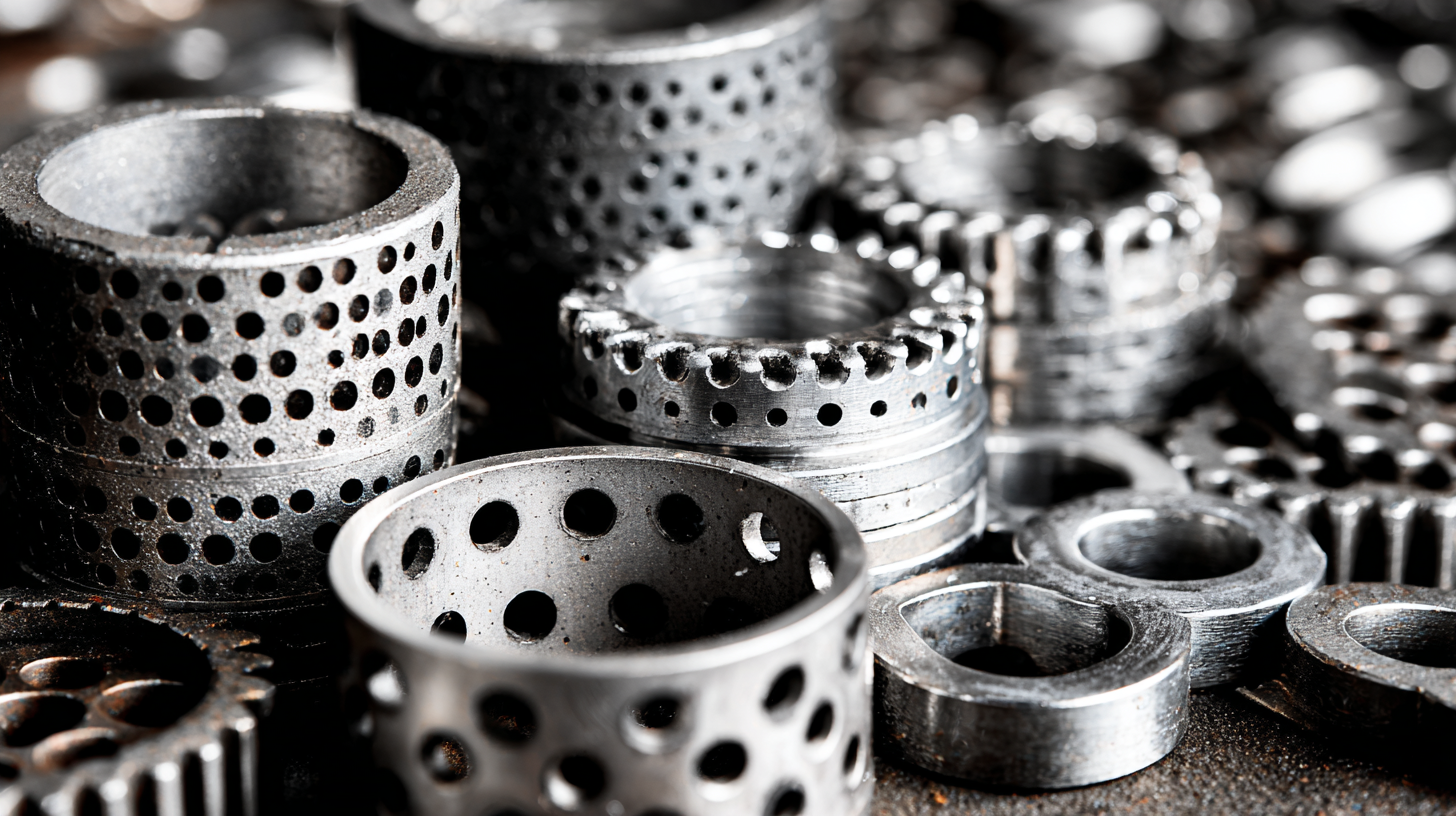
These stamped parts come in especially handy for aerostructures. Even shaving off a little weight can lead to serious savings on fuel over the life of a plane. Stuff like brackets, support frames, and fuselage panels? Those can be made from high-strength aluminum alloys using stamping. It’s pretty awesome because this stuff not only boosts the mechanical strength of the parts but also speeds up production, which helps manufacturers keep up with the rising demand for smarter, eco-friendlier aircraft. As the aerospace scene keeps evolving, using stamped metal components will definitely be a key piece of the puzzle when it comes to pushing performance and efficiency to the next level.
The Impact of Stamped Metal Parts on the Electronics Industry: Precision and Cost-Effectiveness
You know, stamped metal parts are really making waves lately in the electronics world. As manufacturers chase after precision and trying to keep costs down, these components are becoming more and more essential. The global market for metal forming tools is set to grow quite a lot — from around $29.4 billion in 2025 to an estimated $51.7 billion by 2032. That's a compound annual growth rate of about 8.4%. A big part of this trend? The increasing demand for high-quality, reliable parts in all sorts of electronic gadgets, which need those super precise, engineered components.
And honestly, the advances in metal stamping tech are a total game-changer. They’re allowing companies to produce really intricate parts with tight tolerances—stuff that's vital for modern electronics to work well. Reports are saying that the metal stamping market is also going to see some serious expansion, mainly because it’s so efficient and can save costs. By using the latest stamping techniques, manufacturers can crank out more parts without sacrificing quality, making them way more competitive in this fast-moving electronics industry. Basically, it's exciting times for anyone involved in this space!
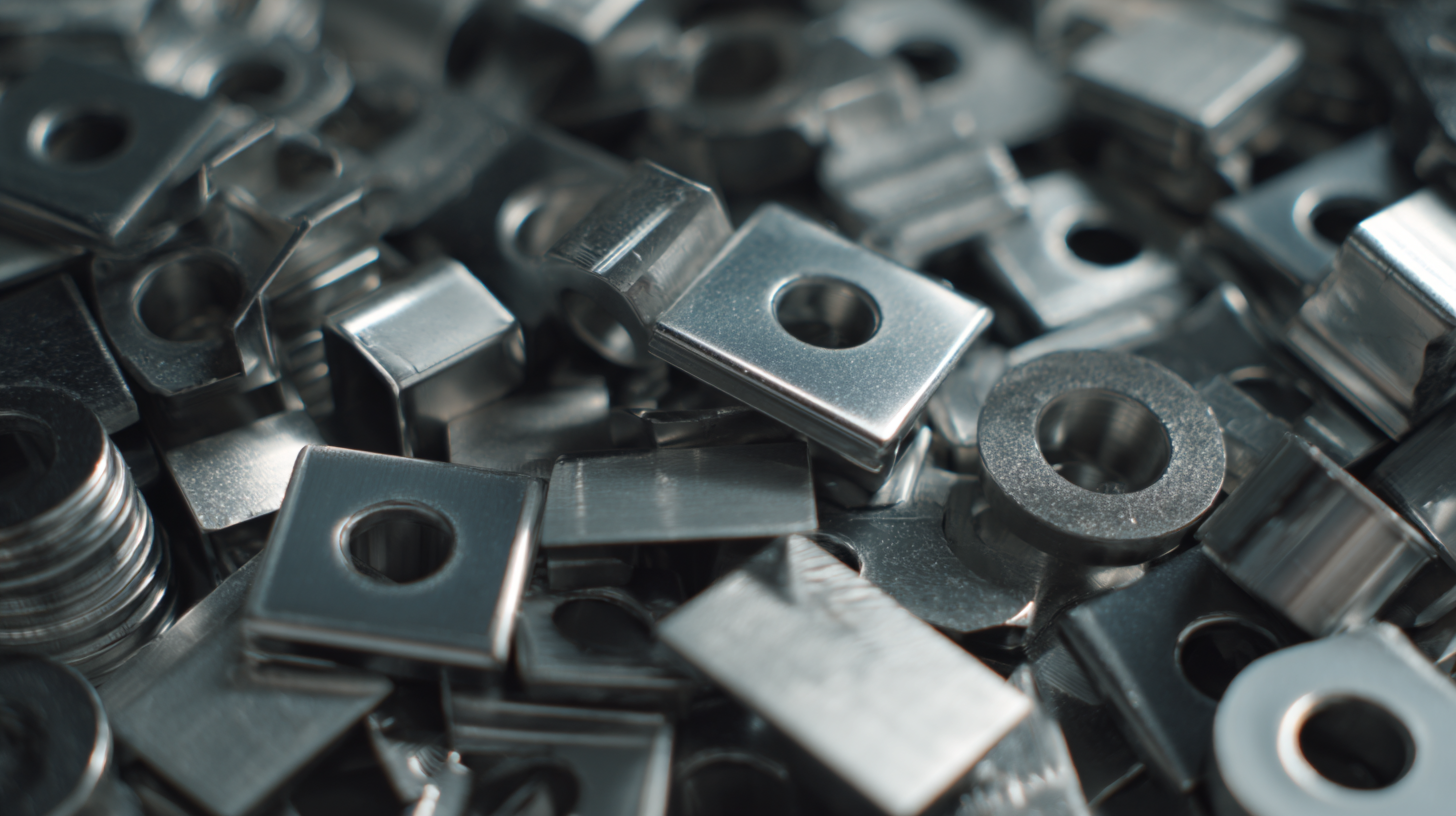
Sustainability in Manufacturing: How Stamped Metal Parts Support Circular Economy Initiatives
You know, stamped metal parts are really becoming a big deal these days, especially when it comes to making manufacturing more sustainable. Industries are looking for smarter, more efficient ways to build things—kind of like aligning with that whole circular economy vibe. Using stamped metal components isn’t just about utility; it’s also a way to get involved in recycling efforts that cut down waste and help save resources. And get this—market trends show the recycling of scrap metal is expected to boom, which means there’s a solid demand for materials that can be recycled and reused. The goal? Keep valuable metals out of landfills and keep them in play, creating new products instead.
Oh, and here’s a cool idea—think about implementing a closed-loop system in your manufacturing. Basically, designing stuff so it's easy to take apart and recycle, so the materials don’t just get wasted. That way, they stay circulating and that’s better for everyone.
Plus, with tech advances like the AUTOSORT PULSE system, sorting metals—especially aluminum scrap—is getting way more precise. That means more efficient recycling, which is a win for sustainability and for reducing costs on raw materials. Pretty neat, huh?
And here’s a tip—consider teaming up with facilities that are experts in recycling and metal stamping. Working together can maximize how much material you recover, and that kind of partnership might spark some innovative ideas that not only boost your profits but also do right by the environment. Win-win, right?
5 Innovative Uses of Stamped Metal Parts in Modern Manufacturing - Sustainability in Manufacturing: How Stamped Metal Parts Support Circular Economy Initiatives
| Use Case | Description | Environmental Impact | Circular Economy Contribution |
| Automotive Components | Stamped metal parts are used in the manufacturing of frames, brackets, and panels in vehicles. | Reduces material waste and enhances fuel efficiency through lighter components. | Promotes recycling of metals and reduction of landfill waste. |
| Consumer Electronics | Used in creating casings and internal structural components for devices like laptops and smartphones. | Enables smaller, more energy-efficient products that use less raw material. | Facilitates the recovery and refurbishment of discarded electronics. |
| Home Appliances | Stamped components are integral to fabricating items like refrigerators, microwaves, and washing machines. | Optimizes space and improves energy efficiency in appliances. | Supports the recycling of old appliances and minimizes new material requirements. |
| Construction Equipment | Used to manufacture structural components, engine parts, and hydraulic systems. | Durable components lead to longer life spans and reduced resource consumption. | Encourages the use of reclaimed metals in new equipment production. |
| Bicycle Manufacturing | Stamped metal parts are used for frames, gears, and braking systems in bikes. | Provides lightweight and sturdy components that enhance bike efficiency. | Promotes sustainable transportation options and encourages recycling of old bikes. |
Advancements in Stamped Metal Technologies: Incorporating Smart Features for Industry 4.0
You know, the progress we're seeing in stamped metal tech is pretty huge when it comes to moving into Industry 4.0. More and more manufacturers are looking for ways to ramp up efficiency and get things done with greater precision. And, honestly, adding smart features into stamped metal parts has been a real game changer. The global market for metal forming tools is expected to grow a ton — from around $29.4 billion in 2025 to roughly $51.7 billion by 2032, with an annual growth rate of about 8.4%. That kind of growth really shows how serious the industry is about pushing forward with new processes and materials.
Introducing smart tech into stamped metal pieces isn't just about keeping up; it actually improves how things run and the quality of the products. For example, some manufacturers are starting to embed sensors right into their stamped parts, so they can get real-time updates on how they’re performing. This means they can predict issues before they happen, cutting down on downtime and keeping everything running smoothly. Plus, as more industries jump into automation and IoT, connecting these stamped parts makes collecting data much easier, which helps factories make smarter decisions faster. Combining good old-fashioned metal stamping with the latest tech isn’t just about getting more done — it’s about meeting the complex needs of today’s production world and staying competitive in an ever-evolving landscape.
Maximizing Efficiency with CNC Precision-Machined Metal Brackets for Your Projects
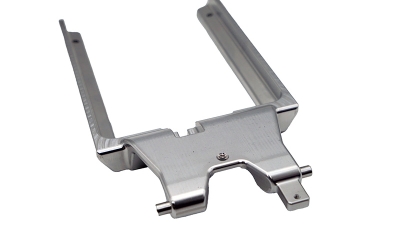
In today's competitive industrial landscape, maximizing efficiency is essential for success in any project. One way to achieve this is through the use of CNC precision-machined metal brackets. These components are meticulously crafted with advanced CNC machining techniques, which guarantee high levels of accuracy and quality. With tolerance control of just ±0.01mm, our metal brackets ensure seamless integration into complex assemblies, significantly reducing the risk of error and enhancing overall operational efficiency.
The design of these metal brackets is not only functional but also aesthetically pleasing. The sleek, angular design and smooth metallic finish contribute to their effectiveness in various applications. According to a report by the International Journal of Advanced Manufacturing Technology, precision components can increase assembly accuracy by up to 30%, leading to improved product longevity and performance. In industries ranging from aerospace to automotive, where every millimeter counts, the precision offered by CNC-machined components is invaluable.
Furthermore, implementing CNC precision-machined brackets can lead to considerable savings in time and resources. A study by Deloitte emphasizes that businesses utilizing precision manufacturing can reduce their production time by as much as 50%, allowing for faster project turnaround and the ability to meet tight deadlines. By investing in high-quality CNC precision-machined metal brackets, companies can not only enhance their product quality but also streamline their manufacturing processes, driving profitability and success in their projects.
FAQS
: Weight reduction is crucial in the aerospace industry as it improves fuel efficiency and overall performance of aircraft.
Stamped metal parts are lightweight yet durable, allowing manufacturers to create components that are significantly lighter than traditional materials while still meeting safety standards.
Components such as brackets, support frames, and fuselage panels can be manufactured using high-strength aluminum alloys through stamping processes.
Stamped components enable faster production cycles, allowing manufacturers to keep up with the growing demand for efficient and environmentally friendly aircraft solutions.
Stamped metal parts support sustainable manufacturing practices by enabling recycling initiatives that reduce waste and conserve resources.
The scrap metal recycling market is projected to grow significantly, indicating high demand for repurposed materials, which helps keep valuable metals out of landfills.
Manufacturers can support circular economy initiatives by designing products that can be easily disassembled and recycled, ensuring materials stay in circulation longer.
Advancements in technologies like the AUTOSORT PULSE system enhance the precision of metal sorting, improving the efficiency of aluminum scrap recycling.
Collaborating with facilities specializing in recycling and metal stamping can lead to innovative solutions that maximize the recovery of materials and reduce costs associated with raw materials.
Stamped metal parts contribute to advancements in efficiency and performance in the aerospace sector, making them integral to the industry's evolution.
Conclusion
In today’s world of manufacturing, stamped metal parts have really become a game-changer across a bunch of different industries. Companies like Shengyi Intelligent Technology Co., Ltd. are leading the way with top-notch stamped components. The automotive industry, for example, has seen big benefits—using these parts to make vehicles lighter, which means better fuel efficiency and improved performance. And it’s not just cars; the aerospace sector has also jumped on board, adopting stamped metal solutions to cut down weight and make flights safer and more efficient.
But it doesn’t stop there. These stamped parts are also super important in electronics—helping produce complex gadgets with precision and keeping costs down. Plus, since a lot of companies are pushing for more sustainable practices, stamped metal parts fit right into those efforts—they’re recyclable and support circular economy goals with efficient manufacturing methods. As Industry 4.0 continues to grow, we’re starting to see more smart features being added to stamped metal tech, hinting at a future where manufacturing becomes even more integrated and smarter than ever before.