Leave Your Message
0%

Hey there! If you're into precision manufacturing, you've probably heard of the CNC milling process. Honestly, it can seem pretty intimidating at first—especially if you're just starting out. But trust me, once you get the hang of the basics, it can actually be pretty rewarding.

Getting started with Cnc Milling means familiarizing yourself with the machine’s main parts. Each one has a specific job. For example, the spindle is what spins the cutting tools around. And, of course, knowing how to work with G-code is a must—you’ll want to learn how to write and understand these commands to really get things moving.

Now, don’t worry if you mess up along the way—that’s totally normal! Beginners often make mistakes like misjudging dimensions or picking the wrong materials. But honestly, those slip-ups are just part of the learning process. Every mistake is a chance to improve. Patience is key; CNC milling isn’t something you master overnight. Embrace the ups and downs, and before you know it, you'll be surprised at what you can accomplish in this pretty intricate craft.
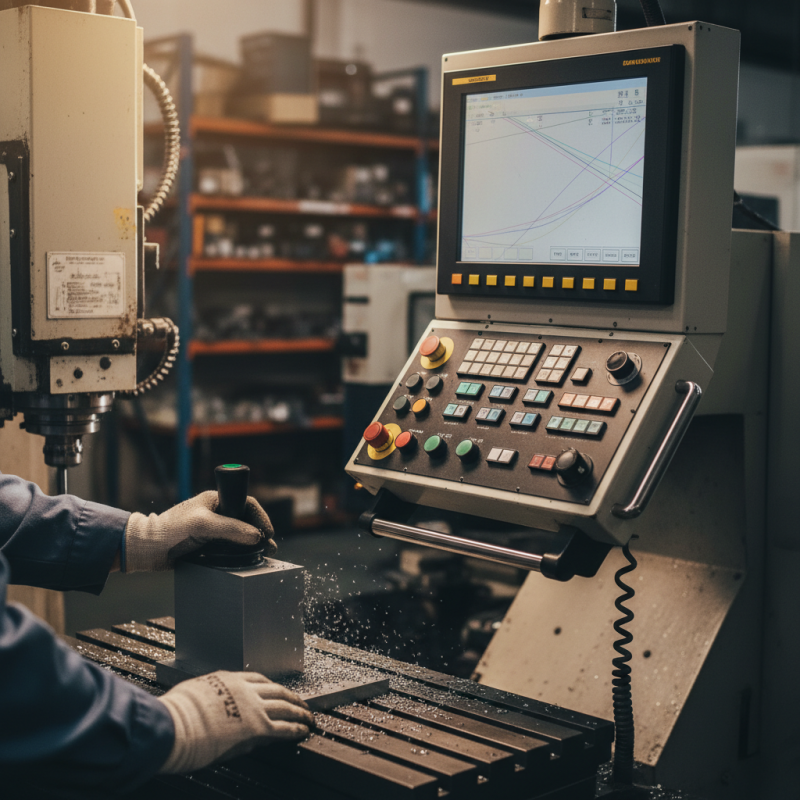
How to Master the CNC Milling Process for Beginners?

Understanding the Basics of CNC Milling for Beginners

CNC milling is pivotal in modern manufacturing. Understanding its core principles helps beginners navigate the landscape. This process uses computer numerical control to move cutting tools. According to a report by MarketsandMarkets, the CNC machine market is projected to grow to $100 billion by 2026. This illustrates the technology's expanding impact.

Beginners often struggle with programming. Mistakes in G-code can lead to serious errors. For instance, a miscalculation can cause tool damage or product waste. Learning to read and write G-code is essential. Moreover, not all CNC mills are the same. Each machine has unique attributes and limits. Research is crucial to choosing the right type.

Another common hurdle is material selection. Different materials require specific cutting speeds and feeds. For example, aluminum is easier to mill than steel. Beginners should experiment with various materials. Each experience teaches them about tool paths and machining limits. Reflection on mistakes made during these trials can be valuable for growth. Understanding these foundational aspects of CNC milling will lead to mastery over time.

Essential Tools and Equipment for CNC Milling

When starting with CNC milling, having the right tools and equipment is crucial. You will need a sturdy CNC milling machine, ideally one that can handle various materials. The machine should have a reliable spindle and a good range of speeds. A well-maintained cutting tool is essential for precision.

For beginners, a set of measuring tools is vital. Calipers and micrometers ensure accuracy in your projects. Don't overlook the importance of workholding equipment. Vices and clamps help secure your material firmly, preventing movement during the milling process.

Tips: Always check your tools before use. A dull cutting tool can ruin your work. Consider investing in quality gear over cheap alternatives. Even experienced users face mistakes; for instance, not adjusting the feed rate can lead to poor finishes. Reflect on each project to improve your skills gradually. Every hiccup is a learning opportunity!

Essential Tools and Equipment for CNC Milling

Setting Up Your CNC Machine: A Step-by-Step Guide

Setting up your CNC machine can be an intricate task. Start by finding a stable workbench. Ensure it is level. This will prevent unnecessary vibrations.

Next, securely mount your CNC machine. Misalignment can lead to errors in the OEM Cnc Milling Process.

Once the machine is in place, connect the power supply. Double-check the settings on the control panel. It’s a good idea to review the manual. Be mindful of the emergency stops. They are crucial for safety. After powering on, calibrate the machine. This step can be tricky. Some users often overlook this. It’s essential to prevent costly mistakes later.

Loading the software comes next. Familiarize yourself with the interface. Run a few test operations with simpler designs. Mistakes will happen, even at this stage. If a piece isn’t cutting right, consider revisiting your setup. It’s common to encounter setbacks. By reflecting on these challenges, you'll improve your foundational skills in the OEM CNC milling process.

Choosing the Right Materials for CNC Milling Projects

Choosing the right materials for CNC milling projects is crucial for success. Various factors influence material selection, including the project's purpose and desired finish. For beginners, common materials like aluminum, plastics, and wood are great starting points.

Aluminum is versatile, easy to machine, and offers a good balance between strength and weight. Plastics can be cut with precision and are often available in various colors. Wood is user-friendly and works well for prototypes or artistic projects.

Consider the properties of each material. Harder materials can be more challenging to mill, especially for those just starting out. Some beginners may struggle with choosing too dense materials, leading to machine wear or poor quality outcomes. It’s important to test how different materials react to milling. Make small samples first. This will help you gauge feed rates and tool selection effectively.

Each project offers a learning opportunity, so don’t hesitate to experiment and reflect on your choices. Imperfections in machining can lead to valuable insights for future projects.

Basic CNC Milling Techniques Every Beginner Should Learn

CNC milling is a precise and versatile process. It transforms raw materials into intricate parts. Mastering the basics is crucial for beginners. According to a recent industry report, the CNC machining market is expected to grow by 6% annually. This growth highlights the importance of understanding fundamental techniques.

Starting with basic milling operations is essential. Familiarize yourself with tools like end mills and face mills. Learn to set the correct speeds and feeds. This knowledge greatly enhances part quality. A common mistake is misjudging tool speeds. Test out different parameters to find optimal settings. This trial and error can lead to improved results.

Tip: Always double-check your work. A small error can lead to wasted material and time. Practice safety measures. Wear protective gear and maintain a clean workspace. Developing good habits early will pay off in the long run. Remember, mastering the ODM Cnc Milling Process requires patience. Focus on continuous learning and improvement.

Tips for Programming Your CNC Milling Machine Effectively

How to Master the CNC Milling Process for Beginners?

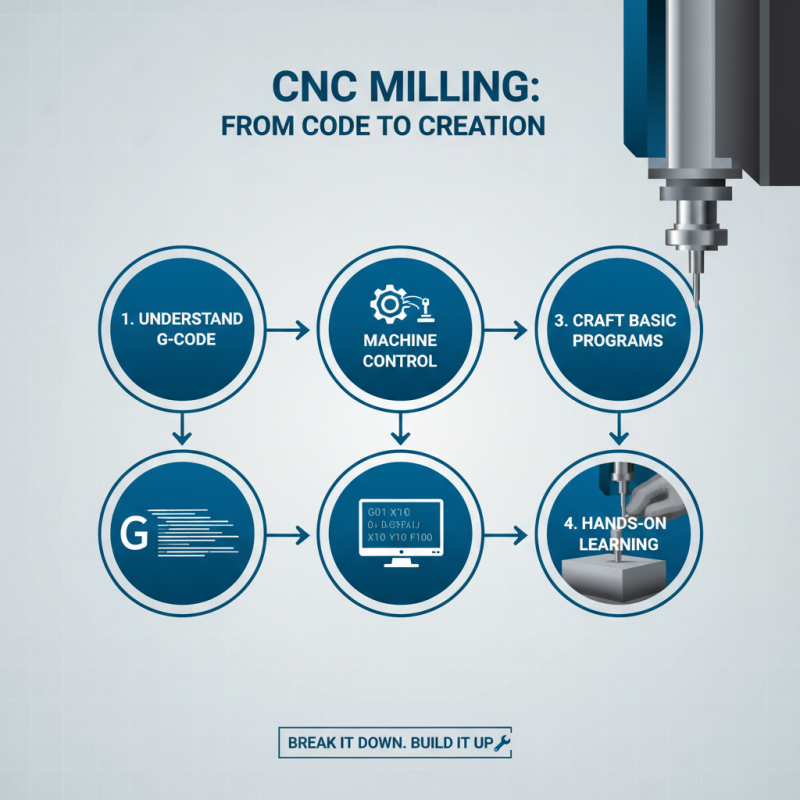
Programming a CNC milling machine can seem daunting. However, breaking it down makes it manageable. Start by understanding G-code. This language controls the machine's movements. Simple commands allow you to adjust speed and direction. Practice creating basic programs with clear instructions. It's a hands-on way to learn.

Grasping the CNC milling process is crucial. Focus on details in your program, like tool paths and cutting depths. Sometimes, mistakes happen. Maybe you set the wrong feed rate or used the wrong tool. These errors can waste materials and time. Reflecting on them helps improve future programming efforts.

Create a checklist before starting your project. Check dimensions, materials, and tool settings. A small oversight can lead to significant issues. Many novice programmers overlook the importance of simulation. Use software to visualize the milling process. It can save you from costly errors. Remember, every Cnc Milling Process Company started from the beginning. Embrace the learning curve and stay patient.

Common Mistakes to Avoid in CNC Milling as a Beginner

How to Master the CNC Milling Process for Beginners?

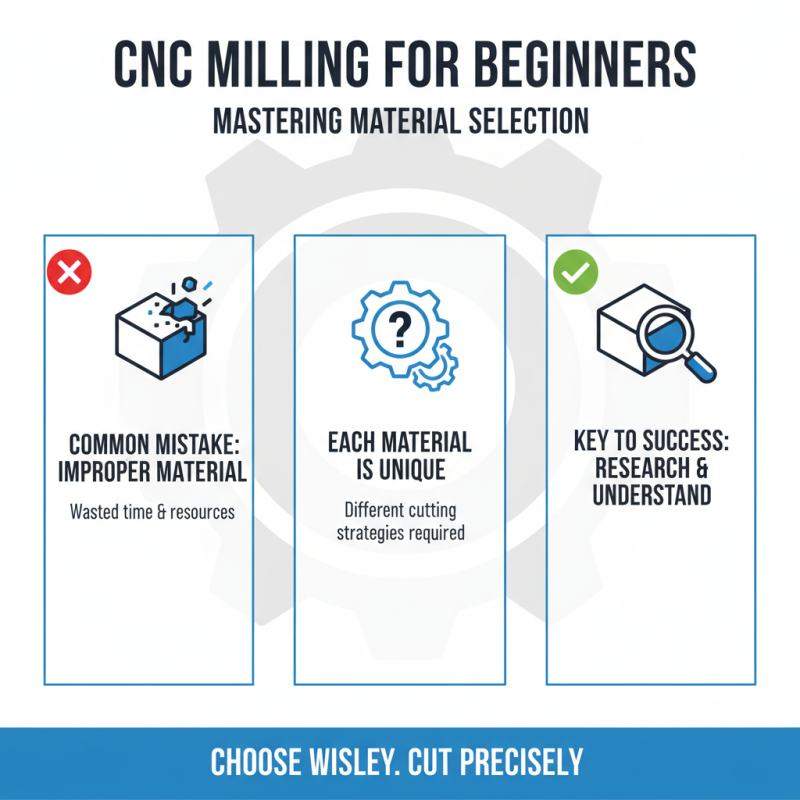
CNC milling is an exciting process, but beginners often stumble. One common mistake is improper material selection. Choosing the wrong material can lead to wasted time and resources. Each material has specific properties that require different cutting strategies. Researching and understanding your chosen material is essential.

Another frequent error is neglecting proper machine calibration. A miscalibrated machine can produce inaccurate cuts and ruin your project. Regular checks are necessary to maintain precision. You don’t want to be stuck at a Cnc Milling Process Factory, fixing preventable errors.

Beginners also tend to overlook the importance of tool selection. The wrong cutter can damage your workpiece or cause tool breakage. Selecting a suitable tool for your specific application will save you frustration. Always ensure you’ve evaluated your tools before starting a job. These mistakes are common, but they can be avoided with careful planning and continuous learning.

FAQS

: What types of products are commonly sold online?

: You can find clothing, electronics, and home goods. Some shops also sell unique handmade items.

Are online shopping platforms safe to use?

Many platforms use encryption. However, ensure your device has security measures in place.

How can I track my online order?

Most retailers provide a tracking link via email. Check your order history on their site as well.

What if my order is damaged?

Contact the retailer immediately. Keep the original packaging to assist with returns or exchanges.

Can I return items bought online?

Return policies vary, so check specifics before purchasing. Some items may not be returnable.

How do I know if a site is trustworthy?

Look for reviews and check ratings on independent sites. A secure site usually shows a padlock symbol.

What payment options are typically available?

Credit cards, debit cards, and digital wallets are common. Some sites may offer payment plans too.

Is it possible to change my order after placing it?

Changes depend on the retailer. Quick action may allow modifications; otherwise, cancellation might be needed.

What if I receive the wrong item?

Contact customer support. Keep a record of your order and any received items for reference.

How can I improve my online shopping experience?

Read product descriptions carefully. Patience is crucial, as online shopping can sometimes be frustrating.

Conclusion

The CNC milling process is an essential skill for beginners looking to venture into machining. This article outlines the foundational aspects of CNC milling, starting with an overview of its basic principles and the necessary tools and equipment. New users will learn how to set up their CNC machines through a comprehensive step-by-step guide, ensuring they have a solid foundation for their projects.

Additionally, the article emphasizes the importance of selecting suitable materials and mastering basic techniques that every beginner should become familiar with. Programming tips are provided to enhance efficiency and accuracy in the milling process, and common pitfalls are highlighted to help novices avoid mistakes. By understanding these key elements, beginners can confidently navigate the CNC milling process and achieve successful outcomes in their machining endeavors.

Aria

Aria

Aria is a skilled marketing professional at Dongguan Shengyi Intelligent Technology Co., Ltd., where she leverages her expertise to promote the company’s innovative products. With a deep understanding of the rapidly evolving smart technology landscape, Aria consistently delivers insightful blog......
Previous Innovative Approaches to Precision Metal Stamping for Global Manufacturers