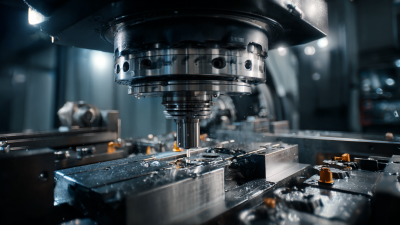
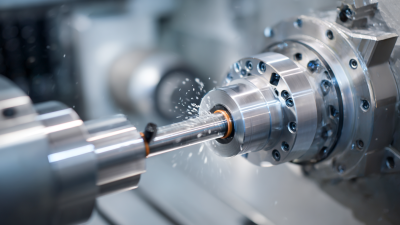
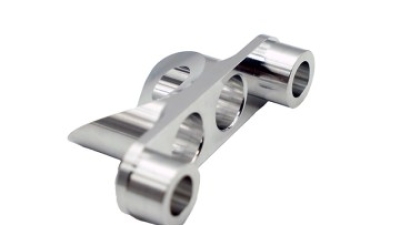
You know, in today’s fast-moving world of manufacturing, there’s a real push for more precise and efficient ways to produce stuff. That's why we’ve seen some pretty amazing progress in Cnc metal machining techniques. I came across a report from MarketsandMarkets that’s pretty eye-opening — they say the global Cnc Machining market could hit around $100 billion by 2025! That’s mainly because more and more industries want customized parts tailored just for them. At Shengyi Intelligent Technology Co., Ltd., we take pride in specializing in top-quality CNC turning and milling parts, along with metal stamping — all using the latest tech to keep up with what our clients need. When you look into the benefits of CNC machining, you realize it’s all about making production faster, cutting down waste, and being able to craft really complex shapes. Honestly, that’s what gives companies like us an edge in such a crowded marketplace.
Essential CNC Machining Techniques for Metalworking Success
Getting really good at CNC machining for metalworking isn’t just about following a bunch of rules—it’s about understanding some key techniques that help improve accuracy, speed, and the quality of your final product. One technique you’ll hear a lot about is high-speed machining. It’s kind of a balancing act between your cutting tools, the machines, and the software you’re using. When done right, it can eat up material faster, give you a nicer surface finish, and save you a ton of time—making it a go-to method if you want to stay ahead of the competition. Keeping things streamlined is also super important—it helps your operations stay efficient and keeps costs down. That’s a trick many successful companies swear by.
Lately, additive manufacturing has been getting a lot of buzz because it can produce complex metal parts without the need for a ton of additional machining. This tech, along with traditional CNC turning and milling—like what companies such as Shengyi Intelligent Technology are offering—really shows how diverse today’s metalworking tools can be. Mixing and matching these methods doesn’t just boost production; it also pushes us toward more sustainable practices in metal cutting. As this industry keeps evolving, using these innovative techniques is going to be a big part of helping companies run smoothly and meet the ever-growing demands of different applications.
The Impact of CNC Machining Techniques on Metalworking Efficiency
Key Benefits of CNC Machining Over Traditional Methods
You know, CNC machining has really changed the game when it comes to making metal parts. It's got so many advantages over the old-school ways. For one, the precision is pretty amazing—these machines can hit tolerances as tight as ±0.005 inches, which means every part comes out just right. That kind of accuracy helps cut down on waste and reduces the need for rework, so overall, it’s a lot cheaper to produce these days.
Plus, CNC machining is fantastic when it comes to handling complex designs without breaking a sweat. With all the fancy software and automation behind it, it’s possible to create really intricate shapes that would be a nightmare to do manually. This opens up so many new doors for designers and engineers, letting them come up with innovative products that look great and work even better.
**Pro Tip:** When you're getting into CNC machining, make sure to pick the right materials. The kind of metal you choose not only affects how durable your product is but also influences how smoothly the machining goes. And don’t forget—regularly checking and updating your CNC equipment helps keep everything running smoothly and can make your machines last longer. Following these tips can really boost your production results and make your life a lot easier.
The Ultimate Guide to Mastering CNC Machining Metal: Techniques, Benefits, and Applications - Key Benefits of CNC Machining Over Traditional Methods
| Aspect | CNC Machining | Traditional Methods |
| Precision | High precision with tolerances of ±0.002 inches | Lower precision, generally ±0.005 to ±0.010 inches |
| Production Speed | Faster setup and machining times | Slower due to manual setups and adjustments |
| Material Versatility | Can process a wide range of metals and alloys | Limited to specific materials and thicknesses |
| Labor Costs | Lower due to automation | Higher due to manual labor |
| Waste Material | Minimized waste through precise cuts | Greater wastage due to rough cutting |
| Setup Time | Quick setup for short and long runs | Longer setup, especially for small batches |
| Customization | Easily customizable designs using CAD | Customization is labor-intensive and time-consuming |
Understanding Different CNC Machines and Their Applications
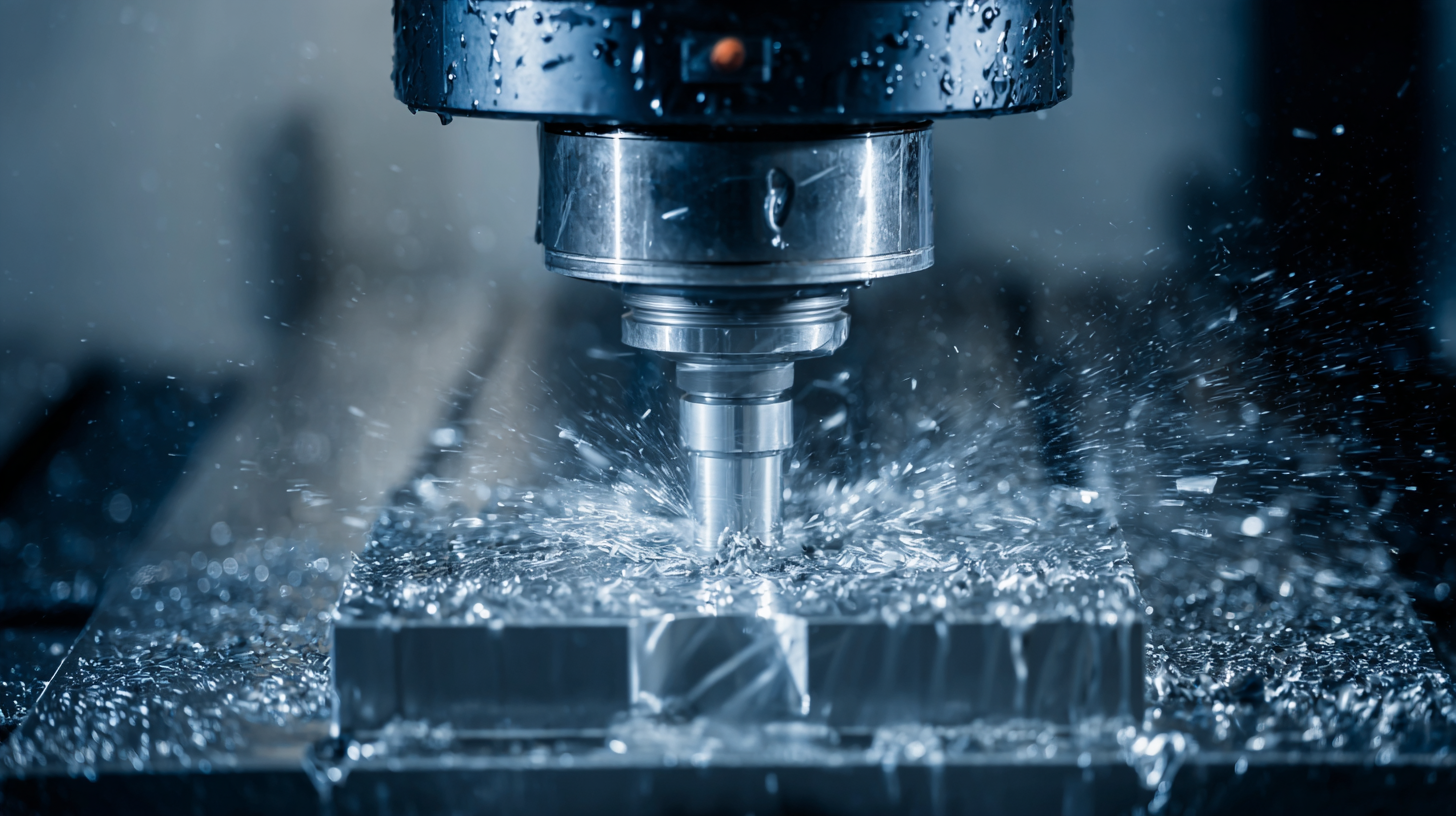 CNC machines have really transformed how stuff gets made these days. They're pretty much changing the game across all sorts of industries—from aerospace to auto manufacturing. If you're running a business and want to make the most of high-tech machining, it’s super important to understand the different types of CNC machines out there and what they’re best for. You’ve got your CNC machining centers, laser cutters, and CNC lathes — each one built for specific jobs. For example, five-axis CNC machines are pretty awesome because they give you the flexibility to handle detailed designs and complex shapes. That’s a game-changer when it comes to high-precision work.
Looking at the bigger picture, the global market for CNC machines is expected to grow a lot, jumping from around $101 billion in 2025 to nearly $196 billion by 2032. That’s roughly a 10% yearly increase! Most of this growth is driven by the need for more efficient manufacturing methods that boost productivity and cut down lead times. Interestingly, CNC isn’t just about metal — it’s huge in wood processing too. The market for CNC in wood is forecasted to grow from about $5.2 billion to almost $7.9 billion — showing just how versatile these machines really are. As industries keep pushing forward, adopting new CNC tech is going to be a big player in shaping the future of manufacturing pretty much everywhere.
Tips for Selecting the Right Material for CNC Machining
Picking the right material for CNC machining is honestly a pretty big deal if you want your final product to perform well and last. I came across a report from MarketsandMarkets that says the global CNC machining market could hit around $100 billion by 2026—so, yeah, choosing the right material is more important than ever. Classic metals like aluminum and steel are still big favorites because they strike a good balance between strength and weight, plus they're easy to work with. But, there's a growing buzz around more advanced stuff like titanium and composite alloys, especially for specialized tasks in aerospace and auto industries.
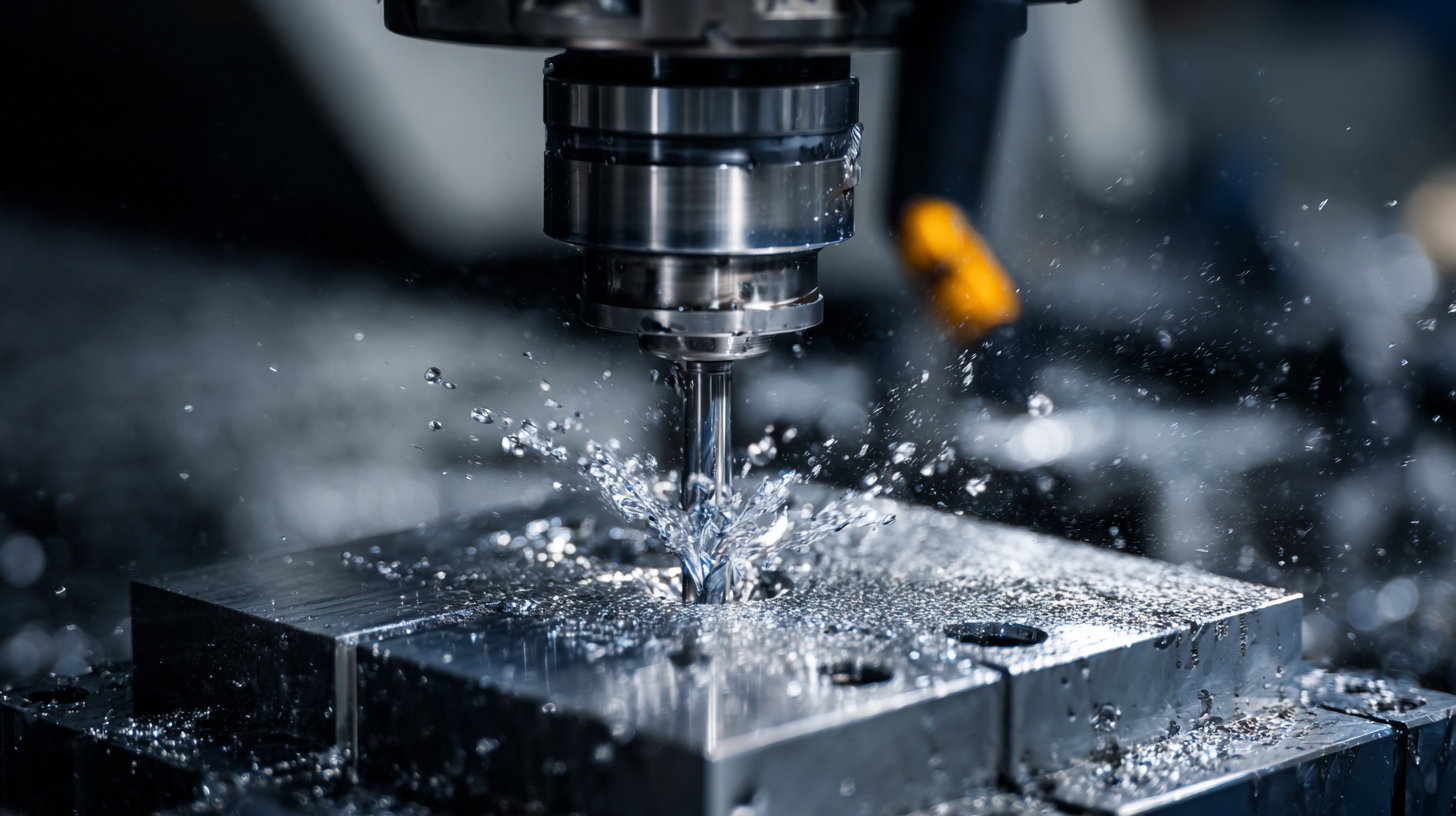
When you're selecting a material, think about things like how strong it is, whether it resists corrosion, and how it handles heat. For example, aluminum 6061 is a popular choice because it’s easy to machine and great for making lightweight parts. On the flip side, titanium is all about high strength without adding much weight, making it ideal for really tough environments. Also, I read in a survey by Grand View Research that about 28% of CNC folks prioritize cost-efficiency—getting good quality without breaking the bank—which just shows how important a smart strategy is when it comes to picking materials for CNC work.
Common CNC Machining Challenges and How to Overcome Them
As industries keep evolving, CNC machining is facing a bunch of new challenges—especially with the big boost in demand for lightweight and affordable materials in sectors like telecom and automotive. You know, the rollout of advanced high-performance materials designed for 5G gear really pushes the limits of what CNC processes can handle. So, when engineers tweak their machining techniques to work with these cutting-edge materials, they can actually improve performance and still keep up with the rising production demands.
On top of that, precision machining has become super important, especially in aerospace. Thanks to CNC micro-carving tech, manufacturers can now create really detailed, intricate parts. But honestly, these processes aren’t without their hurdles—they can be tricky to keep tolerances tight while also trying to ramp up production. Solving these problems means updating training for CNC operators and pushing for more innovative equipment. That way, manufacturers can stay competitive in this fast-moving market, opening doors for new uses across different industries.
Future Trends in CNC Machining Technology and Their Impact
As CNC machining keeps evolving, we’re actually on the verge of some pretty exciting changes that could totally shake up how we do metal fabrication. One big thing to watch for is how artificial intelligence and machine learning are starting to get woven into CNC processes. It’s like giving these machines a brain—they can make super precise adjustments on the fly, based on ongoing data, which is pretty amazing. Not only does this boost productivity, but it also helps cut down on waste because the machines can tweak their cutting settings to match different materials in real-time.
And there’s more coming—like the growing mix of 3D printing (or additive manufacturing) alongside good old-fashioned CNC. This combo opens up all sorts of possibilities, letting us design and produce really complex shapes that just weren’t doable with traditional subtractive methods. By blending these techniques, companies can get more creative with their designs, save materials, and speed up production. As these technologies come together, I think we’re going to see more personalized products, quicker turnaround times, and new applications popping up in everything from aerospace to medical devices. It’s an exciting time for manufacturing, for sure.
Exploring the Impact of CNC Precision-Machined Aluminum Connectors: Insights from Recent Industry Reports on Performance and Efficiency
In recent years, the industry has witnessed a significant shift towards precision engineering, especially in the realm of CNC precision-machined aluminum connectors. Reports indicate that the demand for these high-quality components has surged by over 30% in the past year, driven by their superior performance in various industrial applications. This particular aluminum connector stands out due to its advanced CNC machining process, which allows for exceptional accuracy and reliability, with tolerances maintained down to ±0.01mm. Such precision is critical for ensuring seamless integration within complex assemblies, which is a key requirement in sectors like aerospace and automotive manufacturing.
Moreover, industry analyses highlight how the ergonomic design of these connectors not only enhances functionality but also improves user experience. The smooth metallic finish not only provides aesthetic appeal but also aids in the overall durability and performance of the connectors. According to a recent report by the International Journal of Precision Engineering, CNC-machined aluminum parts exhibit a 15% increase in performance efficiency as compared to traditional manufacturing methods. This clearly demonstrates that investing in quality aluminum connectors is not just about meeting industry standards—it is about exceeding them and paving the way for innovative applications across multiple sectors.
FAQS
: Common challenges in CNC machining include adapting to the demand for lightweight materials, maintaining precision in aerospace applications, and managing the complexities involved in advanced machining processes.
The introduction of advanced high-performance materials, particularly for applications like 5G equipment, requires CNC processes to adapt to these innovations to enhance performance and meet growing production demands.
Precision machining is crucial in aerospace applications due to the need for intricate components that meet strict tolerances and specifications, ensuring safety and reliability in flight operations.
Manufacturers can address CNC machining challenges through updated training for operators and investing in innovative equipment to improve efficiency and capability.
Emerging trends in CNC machining include the integration of artificial intelligence and machine learning, as well as the increasing use of additive manufacturing alongside traditional techniques.
Artificial intelligence enhances CNC machining by enabling real-time adjustments based on analytics, optimizing cutting parameters dynamically to improve productivity and reduce waste.
The hybrid approach allows for the production of complex geometries that may not be possible with subtractive methods alone, leading to greater design flexibility and material efficiency.
Advancements in CNC machining technologies are likely to impact various sectors, including aerospace, telecommunications, automotive, and medical devices.
CNC micro-carving technology enables manufacturers to produce components with exceptional detail, though it also presents challenges in maintaining tolerances and improving output efficiency.
Enhanced customization is significant as it allows companies to meet diverse customer needs and create innovative products, thereby staying competitive in evolving markets.
Conclusion
In 'The Ultimate Guide to Mastering CNC Machining of Metal,' we take a closer look at some must-know techniques that really make a difference in metalworking. The guide points out the key perks of CNC machining over the old-school methods, like getting more precise results and slashing production times. We also dive into different types of CNC machines and what they’re best used for, so folks can pick the right tools for their projects without the hassle.
Take Shengyi Intelligent Technology Co., Ltd., for example — they’re a big name when it comes to CNC turning, milling parts, metal stamping, and all that good stuff. Their work really shows how these techniques are put into action in real life. The blog also chats about some common hiccups you might run into when working with CNC metal machining and shares tips on how to get past them. Plus, we peek at what the future might hold for the industry, which is pretty exciting. Overall, this is a great resource if you’re trying to get a better handle on CNC metal machining and how it all fits into manufacturing today.