Leave Your Message
0%

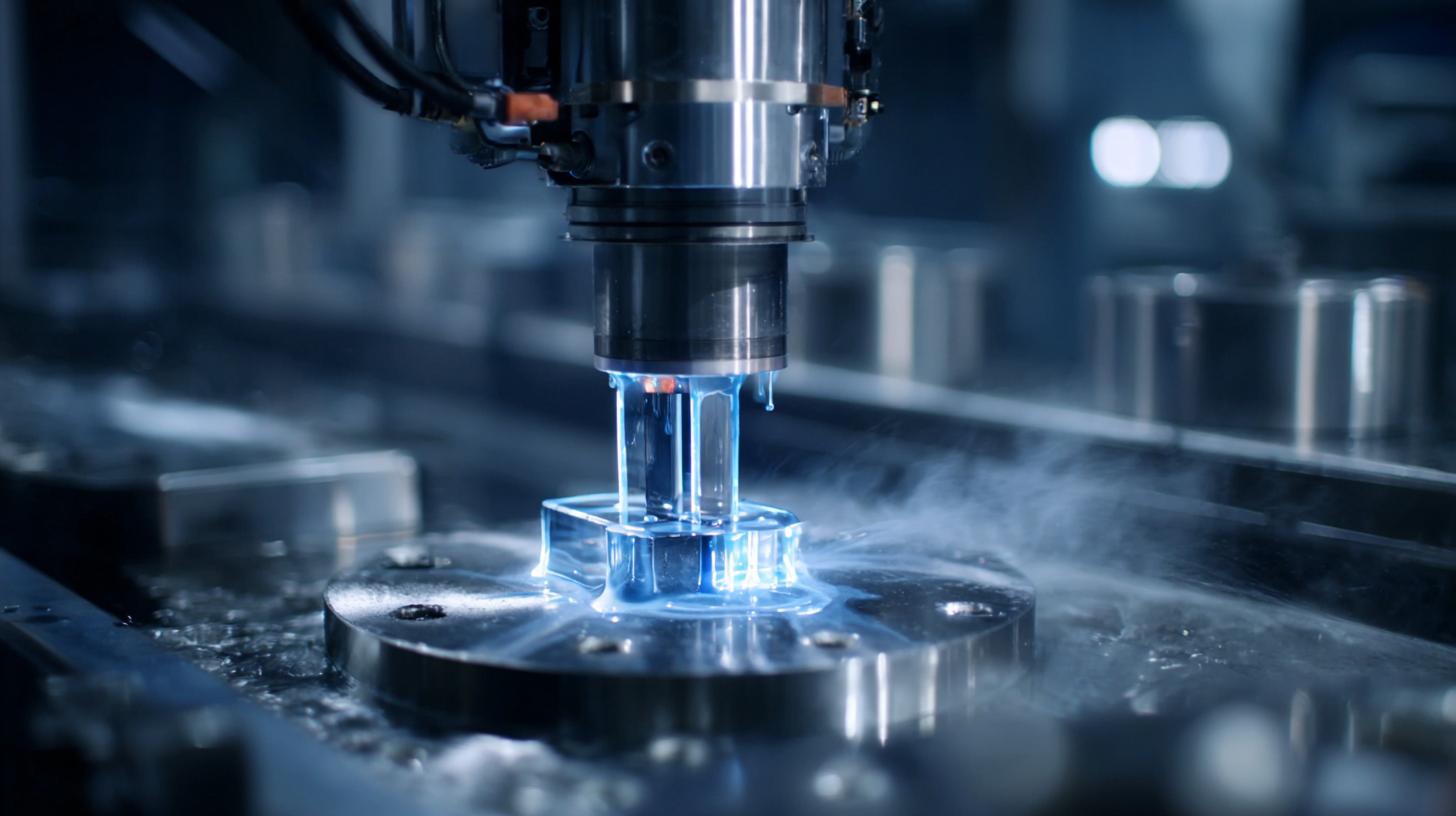
Lately, we've seen some pretty huge leaps in how metals are processed, and honestly, it's been a game-changer for a bunch of industries. These new techs are opening up all sorts of innovative ways to boost productivity and get things done more efficiently. I read somewhere—MarketsandMarketshad a report—that the global Metal Processing market is expected to hit about$2.5 trillion by 2025, growing at around 6.4% per year. Companies like Shengyi Intelligent Technology Co., Ltd.are really riding this wave—they focus on making high-precision CNC turning and milling parts, metal Stamping, and wire molding things.
Unlocking the Future: How Metal Processing Innovations are Shaping Modern Industries

As more industries lean on these advanced processing techniques to run smoother and improve the quality of their products, having the latest manufacturing tech becomes pretty much essential. Not only do these innovations help use resources better, but they also cut down costs—really reshaping what the future of metal processing looks like and how industries evolve moving forward.

Understanding the Role of Metal Processing in Modern Manufacturing

Metalworking has become a really key part of today's manufacturing scene, pushing things forward across tons of different industries. The crazy part? It’s all driven by cool innovations like 3D printing, precise machining, and stronger, smarter alloys. These techniques don’t just make products better—they also help us do things faster, cut down on waste, and give companies a leg up in a super competitive world. For example, with CNC machines, you can create really detailed parts with hardly any manual effort, which saves time and makes resource use way more efficient.

Plus, the rise of smart manufacturing stuff—think automation and AI—is totally changing the game in metal processing. These smart systems let companies keep tabs on production in real time, which means fewer errors and lower costs. On top of that, analyzing data helps se organizations predict when machines need maintenance, reducing downtime and keeping stuff flowing smoothly. As more industries jump on board with these tech upgrades, metal processing is only gonna become more important in shaping the future of making things. It’s all about pushing for more innovative products and sustainable ways to do business—changing the game when it comes to efficiency and quality.

Unlocking the Future: Metal Processing Innovations in Modern Industries

This chart illustrates the growth in adoption of different metal processing technologies over the past decade, emphasizing the trend towards innovation in modern manufacturing.

Exploring Innovative Techniques in Metal Casting and Forming Processes

You know, when it comes to modern industries, innovation in metal casting and forming processes is a total game-changer. Especially now, with the push for sustainability and efficiency, these advancements really make a difference. Recently, techniques like 3D metal printing and precision casting have been gaining a lot of attention — and for good reason. They help improve the mechanical properties of metals, all while cutting down on waste. For instance, I read that additive manufacturing can save up to 80% of material compared to traditional subtractive methods. That’s pretty impressive, and it’s a big reason why more industries are jumping on board with these techs. Not only do they make production more efficient, but they also help create a more sustainable manufacturing environment.

Plus, there's a lot happening in the world of new materials and forming processes, especially exciting for sectors like automotive and aerospace. Companies are developing high-performance alloys and exploring advanced forming techniques, like hydroforming and superplastic forming — and these are really opening up new possibilities. The cool part? These innovations can lead to vehicle parts that are up to 50% lighter, which means better fuel efficiency and lower emissions. As more companies keep investing in these areas, it feels like we're on the verge of a whole new era in manufacturing — one that’s smarter, greener, and more innovative.

Harnessing Advanced Materials for Enhanced Metal Processing Efficiency

The world of metal processing is changing pretty fast these days, thanks to new materials that are really boosting efficiency. More and more, industries are jumping on the latest tech and materials—think high-performance alloys and composites—that don't just bump up the quality of the products but also make the whole production smoother and faster. These upgrades are actually making a big difference in cutting down waste and energy use, which is a big win for sustainable manufacturing.

Here’s a tip: when you're looking at new materials for working with metals, take a close look at their properties—stuff like how strong they are relative to their weight, or how resistant they are to rust and corrosion. Picking the right materials for specific tasks can seriously level up your processing efficiency.

On another note, adding smart tech like AI and automation into your processes has really sped things up and made them more accurate. By digging into data and analytics, companies can tweak their workflows and even predict when maintenance is needed, which helps avoid costly downtimes. Keeping up with these tech trends is pretty much vital if you wanna stay ahead in this competitive market.

And here’s another thing—don't forget to invest in training your team on these new technologies and materials. A well-informed crew can make a huge difference, adapting faster and pushing efficiency even further.

Integrating Automation and AI in Metal Fabrication for Increased Precision

You know, the way automation and AI are shaking up the metal fabrication world? It’s pretty incredible. Industries are hitting new heights of precision and efficiency because of it. I came across a recent report that says the global market for sheet metal fabrication services could cross $33 billion by 2034 — that’s a huge jump and really shows just how much demand there is for smarter manufacturing tech. Thanks to innovations like smart robotics, traditional tasks like bending and cutting are getting a major upgrade. Manufacturers can now meet those ever-growing customer expectations more easily.

As more companies jump on this bandwagon, they’re seeing a real boost in productivity. For example, the market for articulated robots is expected to hit around $88 billion by 2025 — talk about a sign that automated solutions are becoming essential, even in sectors like food production! It’s clear that integrating these smart tools isn’t just about staying competitive; it’s also about solving big issues like labor shortages while still delivering top-notch quality.

My tip? If you’re looking to get on board, start small. Embrace automation gradually with AI tools that can help streamline your processes. And don’t forget to invest in training your team. The people using these new technologies are the real key to making the most of what automation has to offer — keep your crew engaged and ensure they’re equipped with the right skills.

Unlocking the Future: How Metal Processing Innovations are Shaping Modern Industries

Sustainability Practices in Metal Processing: Trends and Technologies

You know, sustainability in metal processing has really become a big deal these days. Industries are feeling the pressure to cut down their environmental impact, and it’s pushing them to get a bit more creative. We’re seeing some pretty cool advancements—like new recycling methods, smarter ways to manufacture that save energy, and choosing raw materials that are more eco-friendly. For example, hydrometallurgical techniques are catching on because they use way less energy than the old-school pyrometallurgical methods. That means they emit fewer greenhouse gases and don’t drain resources as much.

Unlocking the Future: How Metal Processing Innovations are Shaping Modern Industries

On top of that, digital tech—things like IoT and AI—are really making a difference. They help factories run more smoothly, cut down on waste, and use energy more efficiently. By keeping an eye on everything in real-time, companies can tweak their processes on the fly, saving money and shrinking their carbon footprint at the same time. As these practices become more common, they not only help companies stay within regulations, but they also attract consumers who are more and more interested in environmentally responsible products. All in all, this shift is really pushing the metal processing world towards more innovative and sustainable solutions.

FAQS

: What is the role of metal processing in modern manufacturing?

: Metal processing is a cornerstone of modern manufacturing, driving advancements through innovations such as additive manufacturing, precision machining, and advanced alloys, which enhance product quality, increase efficiency, and reduce waste.

How has technology impacted metal processing?

The integration of technologies like computer numerical control (CNC) allows for intricate designs to be produced with minimal human intervention, optimizing production time and resource management.

What are smart manufacturing technologies, and how do they affect metal processing?

Smart manufacturing technologies, including automation and artificial intelligence, revolutionize metal processing by enabling real-time monitoring, improving accuracy, and reducing operational costs, while data analytics help anticipate maintenance needs.

How do advanced materials improve metal processing efficiency?

The adoption of advanced materials like high-performance alloys and composites enhances product quality and streamlines production processes, significantly reducing waste and energy consumption for more sustainable practices.

What considerations should be made when selecting new materials for metal processing?

Evaluate properties such as strength-to-weight ratios and corrosion resistance to choose the best options for specific applications, thereby enhancing overall processing efficiency.

Why is data analytics important in metal processing operations?

Data analytics enables companies to optimize workflows, predict maintenance needs, and minimize downtime and costs, which is essential for maintaining competitiveness in the market.

How can workforce training impact metal processing efficiency?

Regular investments in training on new technologies and materials ensure a well-informed team, which can drive efficiency improvements and adapt more rapidly to industry changes.

What are the benefits of integrating smart technologies into metal processing?

Integrating smart technologies leads to more precise and faster production cycles, optimizing operations and enhancing overall productivity while reducing costs.

How do innovations in metal processing contribute to sustainability?

Innovations reduce waste and energy consumption in production processes, ultimately leading to more sustainable manufacturing practices.

Conclusion

In today’s fast-changing world of industry, metal processing really sits at the heart of making manufacturing more efficient and precise. You know, with new techniques like cutting-edge casting and forming methods popping up, traditional ways are getting a facelift. These innovations let us handle more complex designs and deliver higher quality products without breaking a sweat. Plus, using newer, better materials is boosting the overall efficiency, so manufacturers can meet rising demand without blowing the budget.

Take companies like Shengyi Intelligent Technology Co., Ltd., for example — they’re really leading the charge by embracing automation and AI in metal fabrication. It’s pretty clear that stepping into these smart technologies is key if you want to stay ahead of the game when it comes to accuracy and productivity. And let’s not forget, the focus on sustainability is growing too. More manufacturers are finding ways to incorporate eco-friendly practices and new tech to be responsible stewards — something that’s totally in line with global trends. All these updates aren’t just shaping the future of the industry; they’re also helping manufacturers stay competitive in a lively, ever-evolving market.

Lucas

Lucas

Lucas is a dedicated marketing professional at Dongguan Shengyi Intelligent Technology Co., Ltd., where he leverages his extensive expertise in the field to elevate the company's presence in the competitive market. With a profound understanding of the company's core business that focuses on......
Previous Innovative Approaches to Precision Metal Stamping for Global Manufacturers