As the demand for precision in manufacturing keeps growing, it’s clear that getting OEM CE certification for Cnc Machined metal products is pretty important. I mean, a report from Grand View Research predicts that by 2025, the worldwide CNC machining market could hit around $100 billion. That’s a huge jump, and it really highlights why manufacturers need to follow certain standards—especially when it comes to products like CNC machined metals.
Securing certification isn’t just about ticking boxes; it really helps build trust with clients and partners, you know? Big names like DMG Mori and Haas Automation are prime examples—they’re all about quality and reliability. Their commitment to strict standards shows how competitive this industry is. But let’s be honest—many businesses find the requirements pretty challenging, and slipping up can be costly. A Mordor Intelligence report even says that around 30% of CNC machining companies struggle with meeting compliance, which is a pretty serious wake-up call.
Plus, the CNC machining scene isn’t standing still. New tech—like those advances in aluminum profile machining—bring tons of new opportunities. But at the same time, manufacturers need to stay alert and flexible. If they overlook the importance of OEM CE certification, they could risk losing clients or damaging their reputation. Staying aware and proactive is key if you want to keep up and stay competitive in this fast-changing industry.
Understanding OEM CE Certification for CNC Machining Metal Products
Obtaining OEM CE certification for CNC machining metal products can be complex. Understanding the certification process is essential for manufacturers aiming to enter European markets. This certification ensures that products meet specific health, safety, and environmental standards. The CE mark indicates compliance with EU directives, fostering consumer trust and marketability.
To achieve certification, companies must follow several key steps. First, it’s crucial to conduct a thorough assessment of the product. This involves evaluating materials and manufacturing processes. Documentation is vital.Detailed technical files should outline design specifications and testing results. Inadequate documentation can lead to delays or failures in the certification process.
Compliance with harmonized standards is critical. It often involves testing by accredited laboratories. Collaborating with experts can streamline this process. However, companies may struggle with the nuances of these standards. Continuous learning and adaptation are necessary to maintain compliance. Companies should review their processes regularly, addressing any gaps in knowledge or practices.
Importance of CE Certification for Manufacturers and Consumers
CE certification is essential for manufacturers. It increases the marketability of metal products. For consumers, it ensures safety and compliance with European standards. When a product has a CE mark, it signifies that it meets strict guidelines. This boosts consumer confidence significantly.
For manufacturers, obtaining CE certification can be challenging. They must navigate complex regulations and standards. Many manufacturers overlook the importance of thorough documentation. Incomplete files can lead to delayed certification and lost opportunities. Investing time in understanding these requirements is crucial for success.
Consumers benefit from CE certification as well. They can trust that the products they purchase are safe and reliable. However, some may not pay attention to these certifications during their buying process. This lack of awareness can impact their decisions and safety. Educating consumers about the significance of CE marking is vital. This knowledge empowers them to make informed choices.
Steps to Prepare for CE Certification in CNC Machining
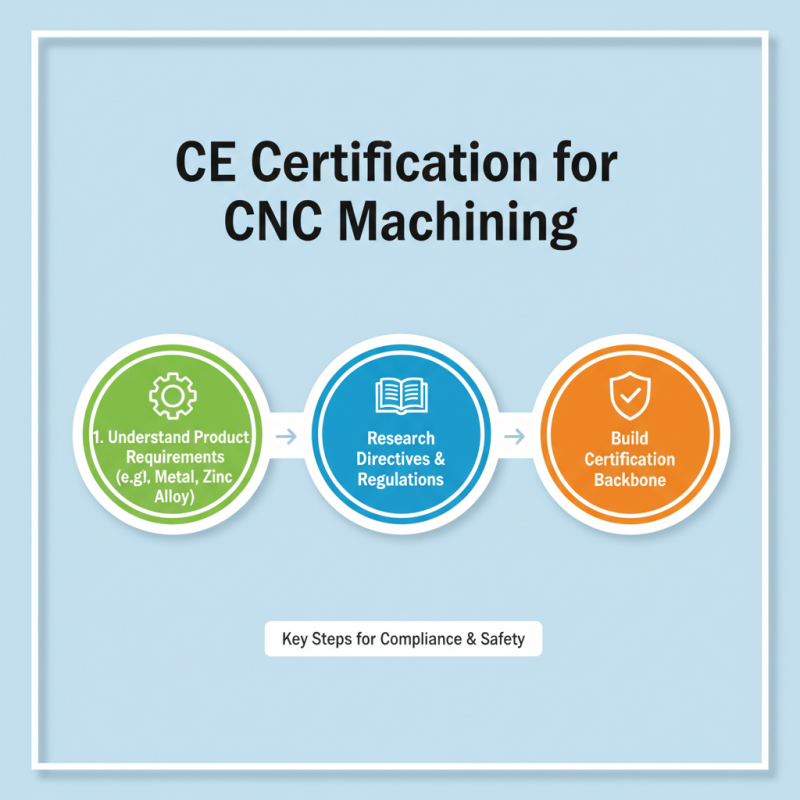
Preparing for CE certification in CNC machining involves several critical steps. Understanding the specific requirements for your products is essential. For instance, CNC machining of metal products, such as Zinc Alloy CNC Machining, must comply with strict safety standards. Research the relevant directives and regulations thoroughly. This knowledge forms the backbone of a successful certification process.
Next, assess your manufacturing processes. Ensure they meet the industry standards applicable to your products. This might involve updating your machinery or retraining your staff. Document each step taken in your production process. Reliable records will enhance your credibility. Moreover, conducting internal audits can help identify gaps in compliance. Addressing these issues proactively can prevent future setbacks.
Engaging with a notified body can provide expert insight. Their assistance can be invaluable during the certification process. Prepare thorough documentation, including technical files and risk assessments. Review these documents for accuracy. Small errors can lead to delays. Maintaining an organized approach will aid in achieving certification on schedule. Reflecting on this process can uncover areas for improvement, ensuring continuous enhancement in your CNC machining operations.
Documentation Required for OEM CE Certification Process
Obtaining OEM CE certification for CNC machining metal products requires careful preparation of documentation. Essential documents include material specifications, risk assessments, and testing reports. Specifically, when working with copper material in CNC machining, it is crucial to outline the exact properties and compliance with relevant standards.
The technical file should contain detailed drawings of products. These drawings need to reflect accurate dimensions and tolerances. For copper material CNC machining, the source of raw materials should be verified. Reports on the material's performance under different conditions can bolster the case for certification.
There's also a requirement for a declaration of conformity. This document asserts that the products meet all regulatory standards. Additionally, safety and compliance testing results should be included. However, manufacturers can sometimes struggle with complete documentation, which can delay the CE certification process. Ensuring thoroughness in this area is vital for a smoother path to compliance.
Testing and Compliance Standards for CNC Machined Products
Obtaining OEM CE certification for CNC machined metal products requires strict adherence to testing and compliance standards. The EU market demands high safety and performance standards. For instance, the ISO 9001 certification can ensure that a company meets quality management principles. This is essential for stainless steel CNC machining since the material's durability relies on precise manufacturing.
Testing processes often include mechanical, chemical, and non-destructive assessments. Reports indicate that nearly 70% of manufacturers fail initial compliance tests, leading to added costs and delays. A focus on quality during the CNC machining process helps mitigate these risks. Companies must prioritize regular audits and ensure their CNC systems align with international standards. Using advanced technologies can further enhance compliance, but these require substantial investment.
Compliance isn’t just about meeting regulations; it’s also about understanding customer needs. Many manufacturers overlook this, resulting in missed opportunities. Stakeholders must communicate their expectations regarding product safety and performance. Failing to address these can create liability issues. The complexities of stainless steel CNC machining require attention to detail, and certifications play a critical role in market access.
Navigating the Certification Application Process
Navigating the certification application process for OEM CE certification can be daunting. CNC machining metal products, especially in sectors like ODM Zinc Alloy CNC machining, require careful attention to detail. Start by gathering all necessary documentation. This includes technical files, declarations of conformity, and risk assessments. It’s crucial to ensure that all documents are accurate and compliant with EU standards.
Tips: Regularly update your technical documentation. This step can prevent future compliance issues. If you encounter obstacles, consider consulting with a certification expert. They can provide valuable insights into the certification landscape.
Additionally, understanding the specific requirements for your product type is vital. Different categories may have unique standards to meet. Be prepared for potential revisions during the application process. This iterative approach can feel frustrating. However, it often leads to better quality and compliance in your final products.
Don’t underestimate the importance of clear communication. Engage with your certification body early in the process. This can help clarify any uncertainties and streamline your application. Keeping an open line of communication can make a significant difference in your success.
2026 How to Obtain OEM CE Certification for CNC Machining Metal Products? - Navigating the Certification Application Process
| Process Step | Description | Duration | Cost Estimate |
| Initial Assessment | Evaluate product conformity with EU regulations. | 1-2 weeks | $500 - $1,000 |
| Documentation Preparation | Gather necessary technical files and compliance documentation. | 2-4 weeks | $1,000 - $2,000 |
| Testing and Evaluation | Conduct necessary safety and compliance tests. | 3-6 weeks | $2,000 - $5,000 |
| Certification Submission | Submit application and documentation to a notified body. | 1-2 weeks | $500 - $1,000 |
| Receiving Certification | Receive CE certificate upon successful evaluation. | 2 weeks | $1,000 - $2,000 |
Maintaining Compliance After Receiving CE Certification
Obtaining CE certification for CNC machined metal products involves more than just initial approval. After certification, maintaining compliance is crucial for ongoing market access in Europe. Regular audits and updated documentation are necessary for sustained compliance. According to the European Commission, 40% of manufacturers face challenges in maintaining certification standards post-approval.
Stakeholders should keep abreast of regulatory updates. Changes in safety standards or market regulations happen frequently. Missing these updates can lead to non-compliance, which may result in severe penalties. Notably, a survey by the International Organization for Standardization (ISO) indicates that 30% of companies lack a proactive compliance strategy.
Additionally, implementing a continuous improvement plan is vital. Collecting data on production quality can help identify potential issues early. Companies often overlook this step, thinking compliance is a one-time achievement. By fostering a culture of constant vigilance, manufacturers can avoid costly recalls and maintain their reputation.
Optimizing Performance with CNC Precision-Machined Aluminum Throttle Bodies: A Comprehensive Guide
The performance of an automotive engine is highly influenced by the efficiency of its throttle body. Optimizing performance requires precision-engineered components that can ensure seamless operation and superior airflow management. Aluminum throttle bodies, particularly those crafted using advanced CNC machining techniques, stand out as an ideal choice for both high-performance automotive and industrial applications.
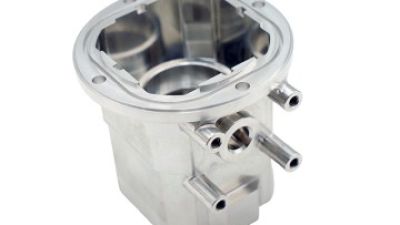
The meticulous process of CNC machining allows for intricate internal cavities and precision-machined ports that enhance airflow efficiency. These components are designed with strict tolerance control—down to ±0.01mm—which guarantees a perfect fit within engine systems, thereby reducing the chances of turbulence and improving throttle response. The smooth metallic finish not only contributes to the aesthetic appeal but also facilitates better airflow, further optimizing engine performance.
By integrating such high-precision parts, enthusiasts can unlock the full potential of their engines. Whether in a racing context or daily driving situations, performance-oriented aluminum throttle bodies play a crucial role in maximizing power output and efficiency, making them a worthwhile upgrade for those seeking enhanced automotive performance.
FAQS
: It ensures products meet health, safety, and environmental standards for European markets.
Detailed technical files outline design specifications and testing results, preventing delays or failures.
These are compliance benchmarks that products must meet, often requiring testing by accredited labs.
Regular reviews of processes and collaboration with experts are essential for adapting to compliance changes.
Testing includes mechanical, chemical, and non-destructive assessments to ensure product safety and performance.
Nearly 70% fail, which can lead to added costs and delays in certification.
Regular audits and alignment with international standards help maintain high-quality production.
Overlooking customer needs can lead to liability issues and missed market opportunities.
It enhances compliance but often requires substantial investment, which companies must be prepared for.
Continuous learning and focusing on detail can help manage the intricacies of the certification process.
Conclusion
The article "2026 How to Obtain OEM CE Certification for CNC Machining Metal Products?" provides a comprehensive overview of the essential steps and considerations involved in acquiring CE certification for CNC machining metal items. It emphasizes the significance of CE certification for both manufacturers and consumers, highlighting how it ensures compliance with safety and environmental standards.
The outlined steps detail the preparation required for certification, including necessary documentation and compliance testing standards for CNC machined products. Additionally, the article navigates the certification application process and discusses the importance of maintaining compliance after obtaining CE certification to ensure ongoing marketability and product safety in a competitive landscape. This guide serves as a crucial resource for manufacturers seeking to enhance their credibility and accessibility in the industry through proper certification.