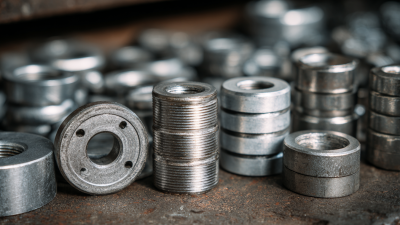
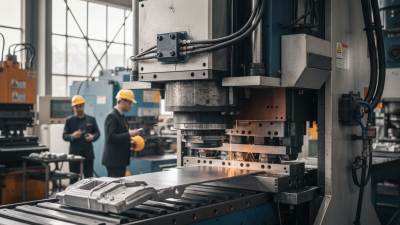
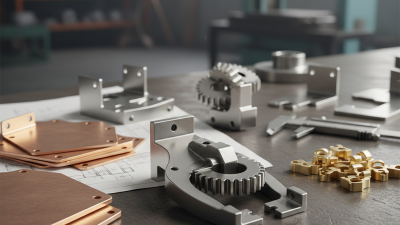
sheet metal Stamping is a pretty important part of manufacturing that you’ll find in all sorts of industries. Basically, it’s how they shape and cut metal sheets into specific forms, all with a good deal of precision. Companies like Precision Metal Stamping Solutions really get the ins and outs of this process, making sure they deliver top-notch quality every time.
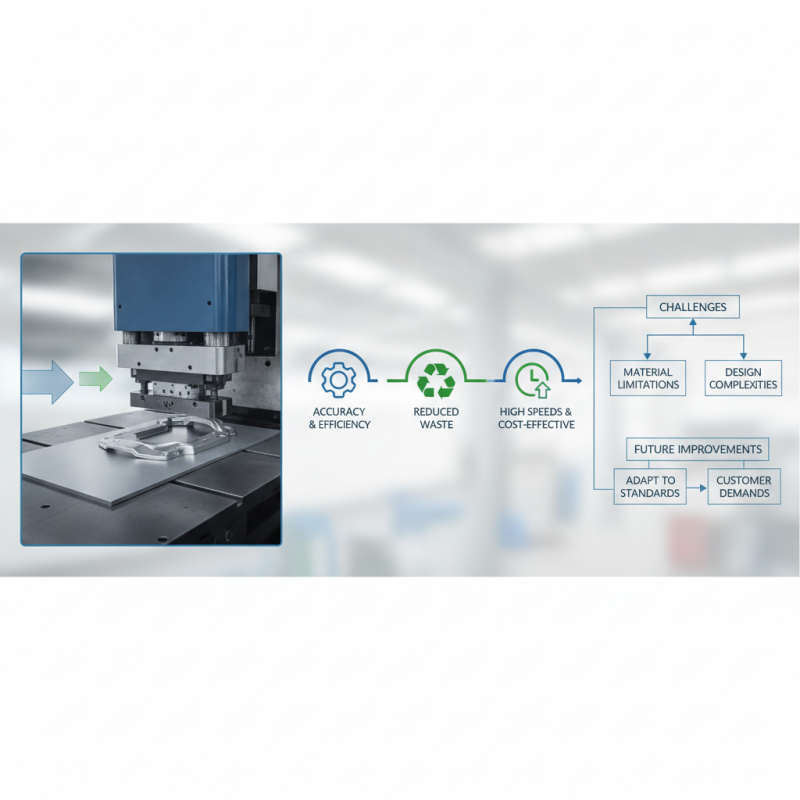
In manufacturing, being accurate and efficient isn’t just nice to have—it’s everything. And sheet metal stamping hits both marks, but you’ve got to have the right skills and know-how to pull it off. Metal Stamping Sheet Metal Manufacturersoften invest in the latest tech and trained folks to stay ahead of the game. Plus, since it reduces waste and runs pretty fast, it’s also pretty budget-friendly.
Of course, there are some hurdles—things like material restrictions and tricky design details can make things complicated. Companies need to stay flexible, keep up with new standards, and listen to what their customers want. Thinking about these challenges can actually help improve the process down the line. All in all, understanding sheet metal stamping really matters—it influences how products are made and designed across the board in manufacturing.
What is Sheet Metal Stamping?
Sheet metal stamping is a manufacturing process that transforms flat metal sheets into specific shapes. It can create intricate parts through various techniques, such as bending and cutting. This process is vital in industries like automotive and aerospace, where precision is essential. The ability to produce high volumes of parts quickly and accurately adds to its appeal.
In sheet metal stamping, the journey starts with a flat sheet of metal. These sheets can be made from steel, aluminum, or other alloys. A die is then used to shape the metal under high pressure. This creates the desired dimensions and features. It's fascinating how simple materials can become crucial components of complex systems. However, achieving the exact specifications requires careful planning and design.
Challenges often arise in sheet metal stamping, such as material defects or design flaws. These issues can disrupt production and lead to waste. To mitigate risks, manufacturers continually test and refine their processes. Ongoing evaluation is necessary to ensure quality and efficiency. The balance between precision and adaptability remains a critical focus for improvement in sheet metal stamping.
The History and Evolution of Sheet Metal Stamping
The history of sheet metal stamping dates back to the early Industrial Revolution. Craftsmen used manual tools to shape metals. As demand grew, machines emerged, improving efficiency and precision. The introduction of steam power revolutionized the process. Automated presses became common, allowing for mass production.
In the 20th century, innovations intensified. Digital technology influenced design and control. Computer Numerical Control (CNC) systems enhanced accuracy in metal stamping. This evolution has led to lightweight yet durable components in various industries, from automotive to electronics.
Tips: When choosing a stamping method, consider material properties. Not all metals respond the same way to stamping. Testing prototypes can prevent costly mistakes. Understanding historical techniques can inspire innovative solutions in modern design. Always stay updated on technological advances to enhance your processes.
Key Materials Used in Sheet Metal Stamping Processes
Sheet metal stamping is a crucial manufacturing process. It involves shaping metal sheets into desired forms using high-pressure dies. Key materials play an essential role in achieving the desired results. Aluminum Sheet Metal Stamping is increasingly popular due to its lightweight and corrosion-resistant properties. This material is often chosen for automotive and aerospace applications.
Various grades of aluminum, such as 6061 and 5052, are commonly used. They provide excellent formability and strength. Industry reports indicate that the global aluminum stamping market is expected to reach over $15 billion by 2025, driven by demand in various sectors. Despite its advantages, there are challenges. Special attention is needed in die design and material selection to prevent defects, such as warping and cracking.
Steel is another primary material in sheet metal stamping. It offers durability and strength, making it ideal for heavy-duty applications. However, working with steel requires precise control over temperatures during stamping. The industry is witnessing a growing emphasis on sustainable practices. Eco-friendly materials and efficient processes are gaining traction. Yet, the transition can pose challenges for traditional manufacturers. Balancing innovation and reliability remains a significant undertaking in this evolving landscape.
Understanding the Sheet Metal Stamping Process Steps
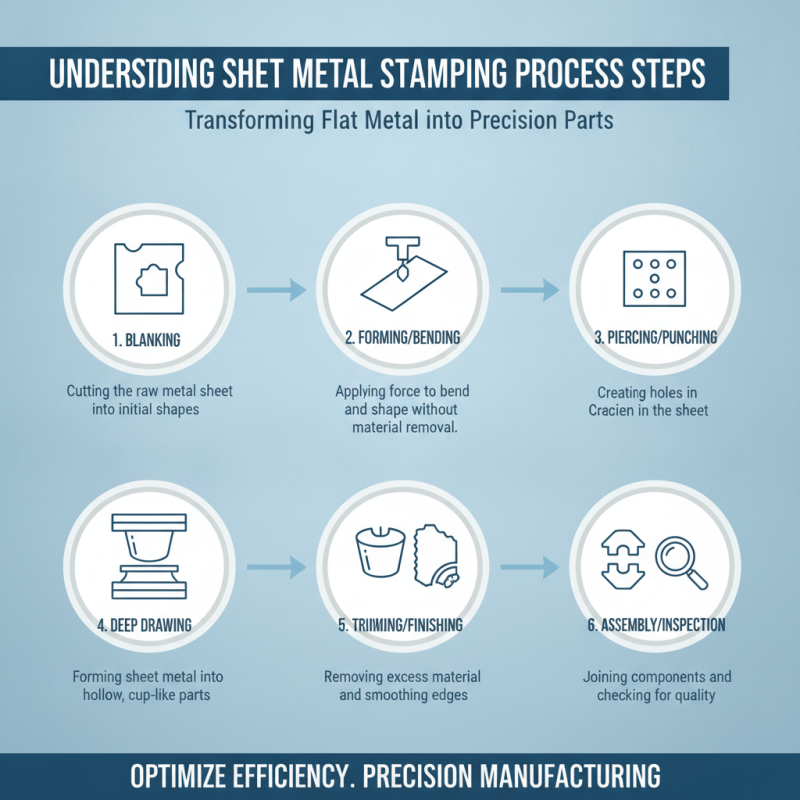
The sheet metal stamping process is an essential method in manufacturing. It involves transforming flat sheets of metal into specific shapes through various techniques. Understanding the steps in this process can significantly improve efficiency.
Initially, it's crucial to prepare the metal sheet. This involves cutting it to size for precise usage. Stamping presses, integral to Sheet Metal Stamping Equipment, apply force to achieve the desired shape. Recent industry reports indicate that using advanced stamping equipment can enhance production rates by 20% while reducing waste. After pressing, the pieces may require additional steps like trimming or bending to achieve the final geometry.
Quality control emerges as a vital step in the stamping process. While automation has brought about efficiency, human oversight remains essential. Manufacturers often notice that even minor defects can lead to substantial production costs. It's critical to evaluate each stage thoroughly. Balancing automation and manual inspection helps ensure product reliability while maintaining cost-effectiveness. Overall, refining the stamping process continues to be a work in progress.
Types of Sheet Metal Stamping Techniques
Sheet metal stamping involves various techniques that shape metal sheets into desired forms. Understanding these techniques is essential for manufacturers aiming to optimize production efficiency. One common technique is progressive stamping, which allows for continuous production of parts. According to industry reports, this method can reduce material waste by approximately 25%. It is often favorable in automotive and electronics sectors, where precision is vital.
Another technique is deep drawing. This method excels in creating deep, complex shapes from flat sheets. The metal is drawn into a die, forming parts like cups or housings. Reports suggest that deep drawing can produce components with uniform thickness, enhancing strength. However, it can be challenging to control during the production process, leading to potential defects.
Lastly, blanking is a widely used method for cutting flat shapes. It involves using a punch and die to remove shapes from sheets. While it is efficient for high-volume production, achieving precise edge quality can sometimes be problematic. Manufacturers must pay careful attention to tool maintenance to avoid increased scrap rates. Each of these techniques showcases the versatility of sheet metal forming but also highlights challenges that require ongoing attention.
Applications of Sheet Metal Stamping in Various Industries
Sheet metal stamping is widely used across various industries. Its ability to create precise metal components makes it essential in manufacturing. This process involves applying pressure to metal sheets to form them into desired shapes. Industries such as automotive rely on stamped parts for body panels, brackets, and supports. These components are crucial for vehicle structure and safety.
Electronics is another field where sheet metal stamping plays a significant role. Here, manufacturers create housings and brackets for devices. These stamped parts ensure durability and functionality. In HVAC systems, stamped metal parts help create efficient airflow systems. Their design must meet specific operational standards, making the expertise in Sheet Metal Stamping Design vital.
Despite its advantages, challenges remain. Some designs may not translate perfectly from concept to finished product. This inconsistency can impact the overall functionality of the part. Moreover, as industries move towards more sustainable practices, adaptability in design becomes crucial. Manufacturers must reflect on how to improve processes and embrace innovative materials. Balancing efficiency with eco-friendly practices is an ongoing journey.
Advantages and Challenges of Sheet Metal Stamping Manufacturing
Sheet metal stamping has become a vital manufacturing method in various industries. Its efficiency lies in transforming flat sheets into complex shapes with high precision. However, the advantages come with several challenges that manufacturers must navigate.
One significant advantage of the Sheet Metal Stamping Process is its ability to produce high volumes of parts quickly. This method allows for consistency, making it ideal for mass production. Materials can be reused, reducing waste, which is beneficial for the environment. Parts produced are often lighter and stronger compared to those made by other methods. Despite these benefits, the initial costs for tooling and setup can be substantial. This aspect requires careful planning and analysis to ensure long-term profitability.
Challenges also include material limitations and potential defects in the final product. Sometimes, the stamping process can lead to issues like warping or cracking. These defects may require additional time and resources for correction. Experienced manufacturers often invest in training and technology to mitigate these risks. Addressing these challenges is essential for maintaining quality and efficiency in the sheet metal stamping process. Thus, continuous improvement efforts are necessary for success.
What is Sheet Metal Stamping and How Does it Work? - Advantages and Challenges of Sheet Metal Stamping Manufacturing
| Dimension | Description |
| Material Type | Aluminum, Steel, Copper, Brass |
| Thickness Range | 0.2 mm to 6 mm |
| Common Applications | Automotive components, Electronics housings, Appliances |
| Advantages | High precision, Cost-effective for mass production, Quick production times |
| Challenges | Tooling costs, Limited flexibility for design changes, Requires skilled labor |
| Manufacturing Process Steps | Design, Tooling, Stamping, Finishing, Inspection |
FAQS
: It shapes metal sheets into desired forms using various techniques.
This method allows continuous production of parts, reducing material waste by about 25%.
The method forms deep, complex shapes by drawing metal into a die.
Controlling the process can be difficult, which may lead to defects in the final product.
It cuts flat shapes from sheets using a punch and die, making it efficient for high-volume production.
Achieving precise edge quality can be problematic, affecting the overall production quality.
It is essential in automotive, electronics, and HVAC systems for creating various components.
Some designs don’t always translate perfectly to production, impacting part functionality.
Manufacturers must reflect on improving practices while embracing eco-friendly materials.
Maintaining quality and adapting to new designs while managing production efficiency requires constant attention.
Conclusion
Sheet Metal Stamping is a manufacturing process that involves shaping and cutting metal sheets into desired forms using dies and presses. This technique has evolved significantly over the years, with advancements in technology that have enhanced precision and efficiency. The materials commonly used in sheet metal stamping include steel, aluminum, and copper, which are chosen based on the specific requirements of each application.
The sheet metal stamping process consists of several steps, including material preparation, die setup, and the actual stamping operation, which may involve various techniques such as deep drawing, bending, or punching. This process is widely applied across industries, including automotive, aerospace, and electronics, due to its ability to produce intricate designs and components. Despite its advantages, such as high production rates and cost-effectiveness, sheet metal stamping also presents challenges, including tool wear and material wastage.