In today's super competitive manufacturing world, finding ways to cut costs without sacrificing quality is a total must for businesses. Recent figures from the National Association of Manufacturers show that companies improving their processes can actually see savings of up to 20%.
One key method they often turn to is sheet metal stamping — it’s a pretty precise process that’s great for making lots of the same part with very little waste.
At
Shengyi Intelligent Technology Co., Ltd., we’re pretty proud of how we use this technique. We specialize in
Cnc turning,
CNC milling,
metal stamping, and a bunch of other related stuff. By leveraging advanced tech and smarter methods, we not only boost our productivity but also help our clients cut costs big time.
Our goal’s always to
streamline production while keeping the quality and durability of the products top-notch. Basically, we see ourselves as more than just a manufacturer — we’re partners in helping our clients stay competitive and manage costs effectively.
Understanding the Role of Sheet Metal Stamping in Cost Efficiency
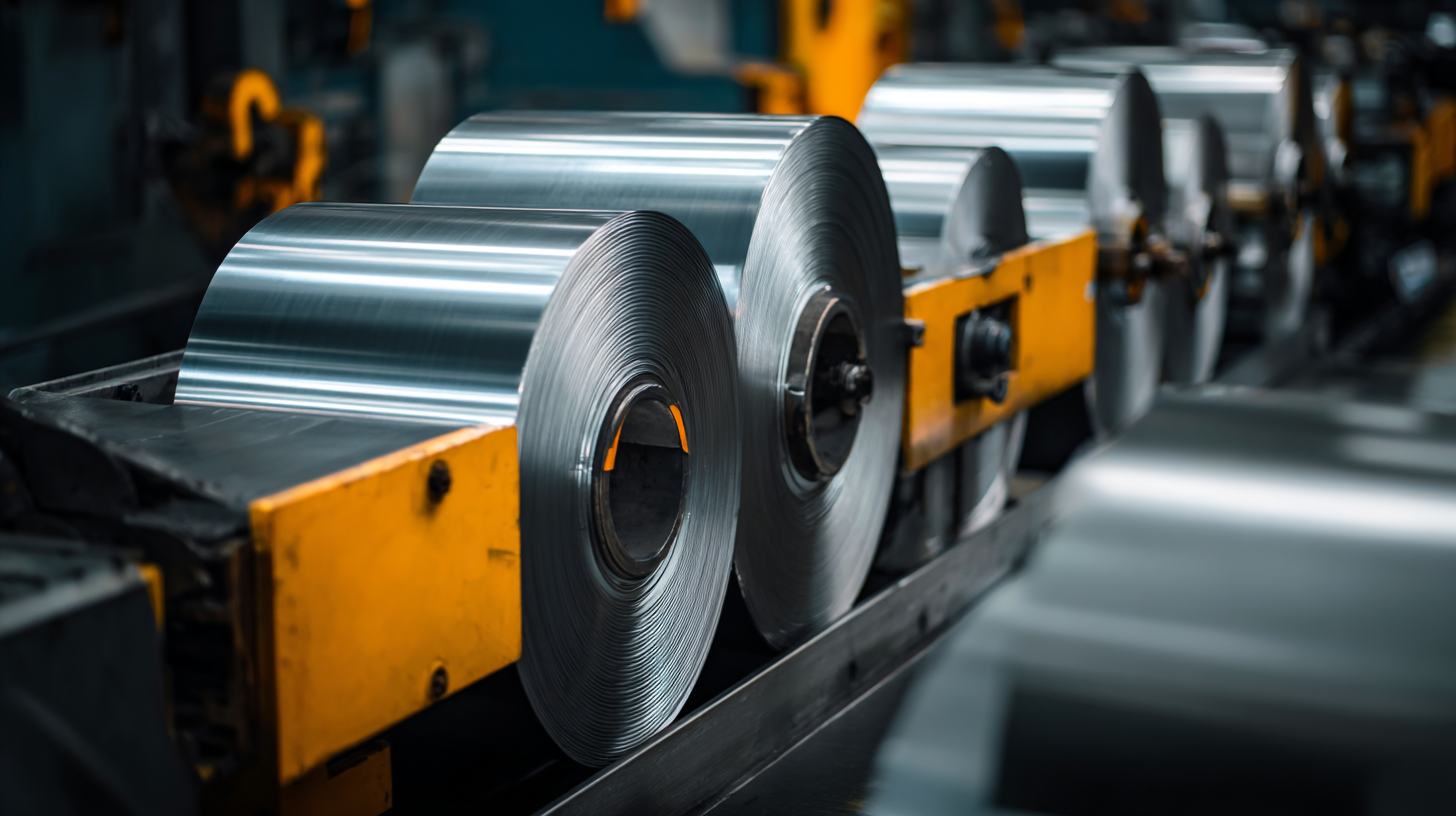
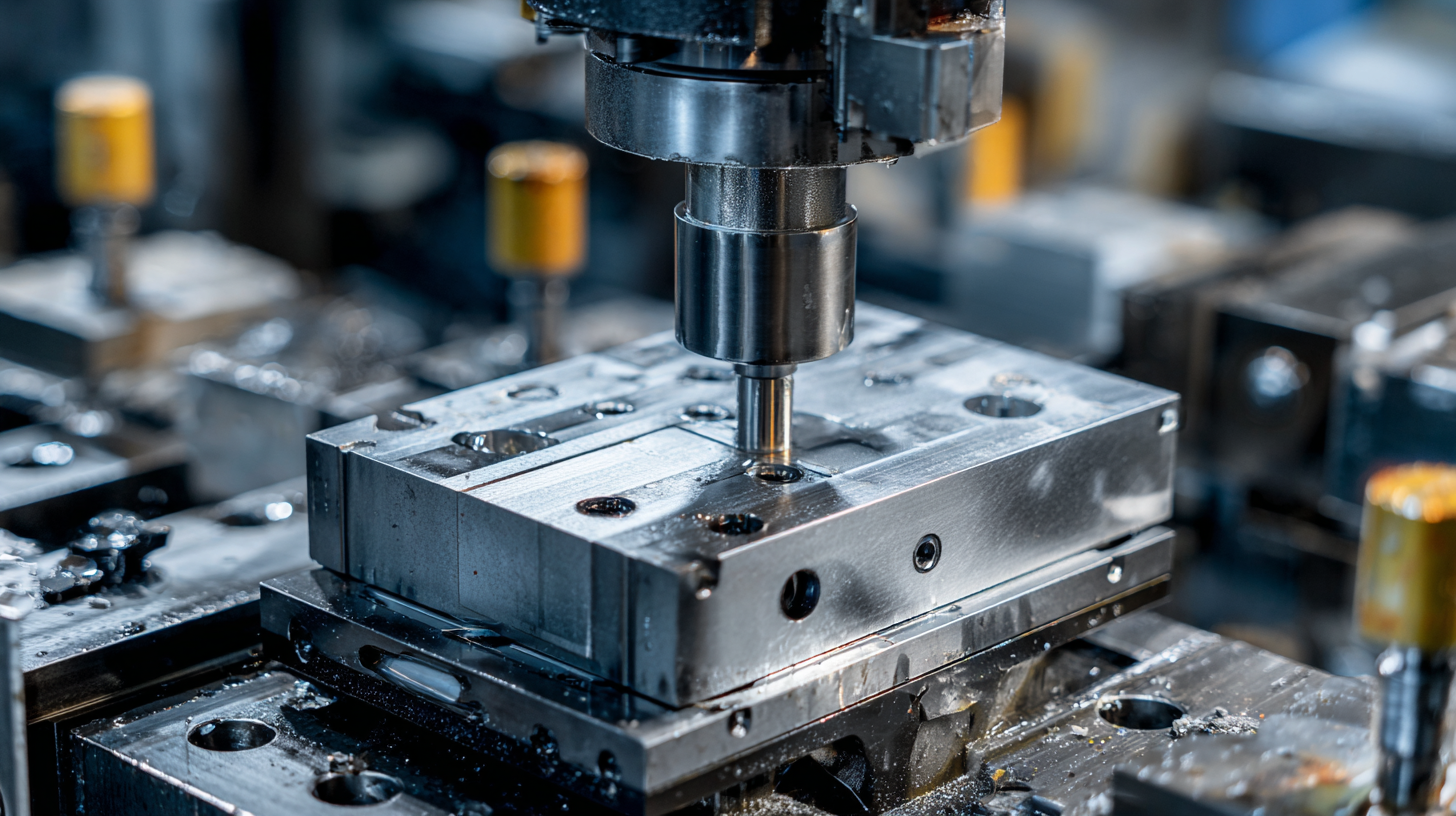
You know, sheet metal stamping really makes a difference when it comes to cutting costs in manufacturing. It’s pretty amazing how it allows companies to produce a ton of parts with high precision, all while wasting less material. When manufacturers use advanced stamping presses, they can whip up intricate designs much faster, which helps save on labor and speeds up the whole process. That kind of efficiency not only makes things smoother but also drops the cost per unit—I've seen reductions of around 20%, which is pretty significant.
Plus, one of the great things about sheet metal stamping is its versatility. Companies can switch up designs or products without having to redo everything from scratch, which keeps retooling costs in check. It’s flexible enough to ramp production up or down depending on what the market needs, so inventory stays just right. And since the stamps are often made from tough, durable materials, the products last longer, making the whole process even more cost-effective. If manufacturers really embrace this tech, they not only save money but also boost the quality of what they produce—giving them a real edge in today’s competitive market.
Key Benefits of Implementing Sheet Metal Stamping in Production
You know, sheet metal stamping is actually a pretty key part of modern manufacturing, and it packs a lot of benefits—especially when it comes to cutting costs. One of the biggest perks is how efficient it is. With stamping, you can churn out complex shapes at lightning speed and with crazy precision. That means manufacturers can produce tons of parts pretty quickly, which definitely helps keep labor costs down. Plus, since the process uses material so effectively, it wastes much less compared to traditional machining methods.
And let’s not forget, versatility is a huge plus here. You can apply this technique to all sorts of materials—aluminum, steel, copper—you name it. So, companies can pick the best materials for their specific projects, which is pretty awesome. Another thing is that stamped parts usually need less finishing or extra work afterward, which keeps costs down even more. Plus, the ability to make detailed, consistent parts means better product quality overall. That can really boost customer satisfaction and loyalty, you know? All in all, this approach helps companies save a lot of money while still hitting high standards in what they produce.
Identifying Areas for Cost Reduction Through Sheet Metal Stamping
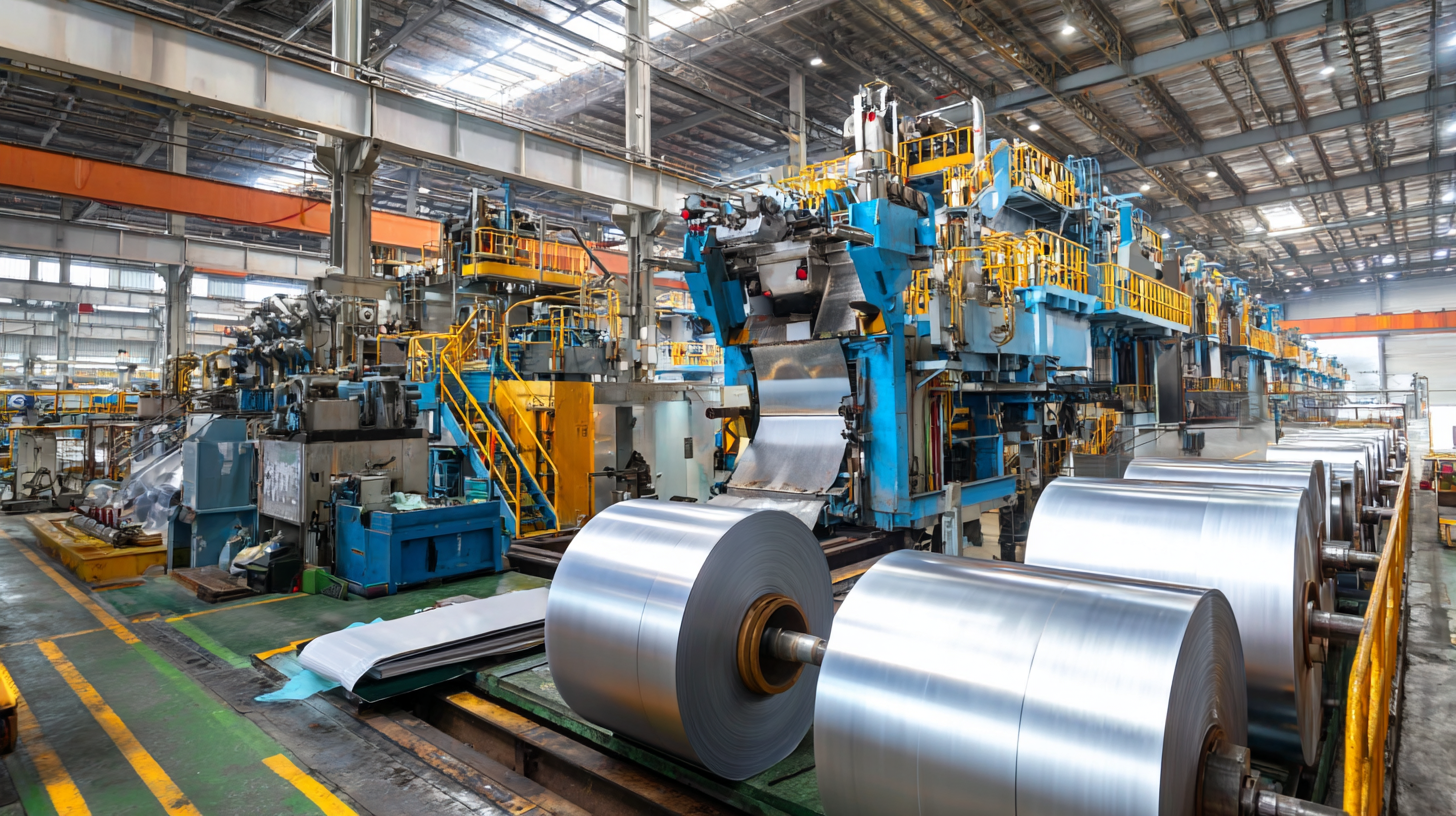
With the manufacturing landscape getting more and more competitive these days, companies are always on the lookout for fresh, smart ways to cut costs and run things more efficiently. One great trick that’s proven to work is incorporating sheet metal stamping into their production lines. Studies show that by pinpointing the right spots where stamping can replace older, more cumbersome methods, manufacturers can cut costs by up to 20%. Not only does this make the production process smoother, but it also cuts down on material waste — which, let’s admit, saves a chunk of cash in the long run.
For those in manufacturing, it’s really important to take a good look at different parts of their operation. According to research from the Manufacturing Institute, using more advanced metal forming tech can lead to big savings in both labor and machining. Switching to precision stamping for parts that used to need machining can really bump up productivity without sacrificing quality.
Here’s a handy tip: Make it a habit to review your supply chain now and then — you might find some hidden inefficiencies. And teaming up with stamping partners who’ve got a solid reputation? That’s a smart move, because they bring specialized know-how to the table, which could unlock even more savings.
Plus, upgrading to newer stamping equipment can mean faster turnaround times and less downtime. A recent report from the National Tooling and Machining Association points out that companies investing in automation often see productivity jumps of as much as 30%. So, it’s definitely worth checking out your current stamping setup and thinking about technological upgrades that could pay off in the long run.
And here’s another tip: Sit down with your engineering team to do a proper cost-benefit chat about new stamping tech versus sticking with old methods. Getting a clear picture upfront will help you make smarter decisions that support reducing costs overall.
Innovative Techniques in Sheet Metal Stamping for Enhanced Savings
You know, when it comes to sheet metal stamping, new techniques are really shaking up the manufacturing world. They’re not just cool innovations—they’re actually saving a lot of money. One big player in this game is using advanced tooling solutions, which help get things done with much higher precision and less material waste. Thanks to tools like CAD and CAM, manufacturers can fine-tune their setups pretty easily, which means faster changeovers and shorter production times. And let’s be honest—better accuracy means fewer mistakes and reworks, so everyone saves time and money.
On top of that, automation and robotics are making a huge difference. These systems can run nonstop, which means consistent quality without adding to wages or risking human errors. Plus, with smart tech like IoT-connected machines, factories can keep an eye on things in real-time and predict when stuff might need maintenance. All these innovations add up to a smoother, more efficient manufacturing process—one that not only handles the workload but also cuts costs significantly. The goal? Cutting overall manufacturing expenses by about 20%. Sounds pretty promising, right?
Case Studies: Successful Cost Reduction with Sheet Metal Stamping
You know, sheet metal stamping is really gaining recognition as a game-changer when it comes to cutting costs in manufacturing. Companies that hop on this bandwagon often see some pretty impressive improvements—everything from better efficiency to smarter use of materials. I mean, there are plenty of real-world examples showing how firms can get their operations running smoother and save money just by switching over to stamping techniques. Take one auto parts manufacturer, for instance—they managed to slash their costs by 20% after replacing traditional machining with stamping, which not only cut down on labor and waste but also boosted the quality of their products.
At Shengyi Intelligent Technology Co., Ltd., we're all about crafting precision parts—whether it’s CNC turning, CNC milling, or metal stamping. Our team’s experience lets us produce top-notch products tailored exactly to what our customers need. We’ve seen firsthand how using advanced stamping methods can really help companies cut costs and stay ahead in a competitive market. It’s all about the right mix of innovation and quality production, which ultimately helps our clients save money and stay competitive out there.
Why Sheet Metal Stamping is Essential for Achieving 20% Cost Reduction in Manufacturing Processes - Case Studies: Successful Cost Reduction with Sheet Metal Stamping
| Case Study | Initial Cost (USD) | Final Cost (USD) | Cost Reduction (%) | Production Time (Hours) | Material Waste (%) |
| Case Study A | $50,000 | $40,000 | 20% | 120 | 10% |
| Case Study B | $75,000 | $60,000 | 20% | 180 | 15% |
| Case Study C | $100,000 | $80,000 | 20% | 240 | 12% |
| Case Study D | $150,000 | $120,000 | 20% | 300 | 8% |
Best Practices for Integrating Sheet Metal Stamping in Manufacturing Operations
Bringing sheet metal stamping into your manufacturing process isn’t just a plug-and-play kind of thing — it needs a bit of strategic planning. A good starting point is to take a close look at your current workflow and figure out where stamping can actually replace the old-school methods. Not only does this boost efficiency, but it also cuts down on waste and saves you some serious money. Before jumping in, it’s wise to do a thorough cost-benefit analysis so you really understand what’s involved financially. This way, you can make smarter decisions about whether it’s the right move for your business.
Another important tip? Invest time in training your team. Skilled operators really make all the difference—they can unlock the full potential of those fancy stamping machines, leading to faster production and better accuracy. Plus, encouraging continuous learning and development keeps your team on top of the latest tech and techniques. It’s all about fostering a culture of innovation, which ultimately pushes up both quality and productivity. If you focus on these key areas, honestly, integrating sheet metal stamping can be a real game changer — saving costs and boosting overall performance.
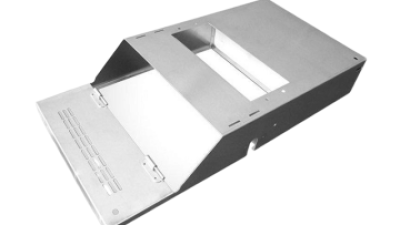
Choosing the Right Metal Enclosure for Power Supply Units: A Comprehensive Guide
When selecting the ideal metal enclosure for power supply units, understanding the critical factors that influence performance and durability is essential. A recent industry report highlights that inadequate enclosures can lead to a 30% reduction in the lifespan of power supply systems due to environmental stressors and electromagnetic interference. Therefore, precision-fabricated metal enclosures are indispensable, as they are designed specifically to shield sensitive components from these risks while maintaining structural integrity.
Our metal enclosures come with customizable cutouts and mounting points, which are essential for accommodating various configurations of AC/DC modules, inverters, and industrial power control systems. This flexibility not only enhances the functionality of the power supplies but also ensures efficient heat dissipation. A study indicates that optimized heat management can increase the efficiency of power supplies by up to 25%, which emphasizes the importance of an enclosure that allows for effective thermal management. Moreover, the EMI shielding provided by our enclosures significantly mitigates interference, contributing to the reliable operation of power supply units in demanding environments.
Custom surface treatments offered by our enclosures further enhance durability and longevity, ensuring they withstand harsh industrial conditions. With the global market for power supply units projected to grow at a CAGR of 5.6% from 2023 to 2030, the necessity for high-quality, tailored enclosures becomes even more pronounced, underscoring the value of investing in robust solutions for protecting power supply systems.
FAQS
: The main benefit of sheet metal stamping is its ability to enhance cost efficiency through mass production of high-precision parts with minimal waste, resulting in significant reductions in manufacturing expenses.
Sheet metal stamping contributes to reducing labor costs by enabling quick production of intricate designs, which decreases cycle times and requires less manual labor compared to traditional methods.
Sheet metal stamping can lead to an impressive 20% reduction in overall manufacturing costs by streamlining processes and improving efficiency.
Yes, the versatility of sheet metal stamping allows manufacturers to adapt to different product demands without substantial retooling costs, enabling them to scale production according to market needs.
Investment in training is crucial as skilled operators maximize the capabilities of advanced stamping equipment, which enhances production speeds and precision, ultimately leading to improved overall productivity.
A cost-benefit analysis helps businesses understand the financial implications of implementing stamping processes, allowing for informed decision-making regarding integration into existing workflows.
Utilizing durable materials in stamping processes extends the lifecycle of products, which further enhances cost-effectiveness and improves overall product quality.
A recommended practice is to evaluate the existing production workflow and identify areas where metal stamping can replace traditional methods to improve efficiency and reduce waste.
Continuous professional development fosters a culture of innovation, helping teams stay updated on the latest technologies and techniques, which enhances productivity and quality in stamping operations.
Conclusion
Sheet Metal Stamping is such a crucial part of modern manufacturing — it really plays a big role in helping companies keep costs under control. When you get a good handle on how it works, manufacturers can really streamline their production processes, often saving quite a bit — like up to 20%. Some of the biggest perks of using Sheet Metal Stamping include tighter precision, less wasted material, and quicker turnaround times. All of these things are super important if you want to stay competitive out there.
Figuring out where you can cut costs — like labor or materials — is really key if you want to maximize those savings. Plus, there are some pretty innovative techniques in this area, and case studies showing how others have successfully slashed costs so you can learn from their wins. At Shengyi Intelligent Technology Co., Ltd., we’ve got a ton of experience with metal stamping parts and other manufacturing methods. We’re confident we can help our clients cut costs and improve efficiency by sharing best practices for integrating Sheet Metal Stamping into their operations.