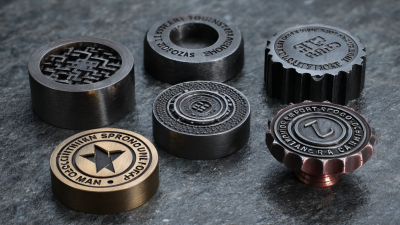
Have you ever come across Stamped Metal Parts? They’ve really become a staple in so many industries these days. Basically, they're made by shaping metal sheets through a process called stamping — kind of like sculpting metal, but on a production scale. It’s a pretty efficient method that delivers a high level of precision, which is why you see these parts popping up in cars, Electronics, appliances, and whatnot. Big names like Jabil and Precision Metal Industries are actually using this tech to improve their products — no surprises there!
What’s really cool about stamped metal parts is how versatile they are. They can be tweaked into all sorts of shapes and sizes, depending on what a project needs. For example, in the auto world, they’re pretty much essential for making things like brackets and Housings. But, of course, there are some hurdles, like trying to keep dimensions perfect when you’re doing really large runs — that can be tricky. Companies are always tweaking their processes to keep quality consistent.
And hey, it’s not all smooth sailing. The industry does come under some scrutiny, especially when it comes to the environment. Metal stamping uses a lot of energy and materials, so more folks are looking into recycled metals and greener practices. Finding that balance between staying efficient and being eco-friendly is kind of a big deal right now. All in all, this push for better sustainability is actually pushing innovation — making the whole process better for everyone.
Want to learn more? Check it out [here](https://www.sycntech.com/stamped-metal-parts).

What Are Stamped Metal Parts?
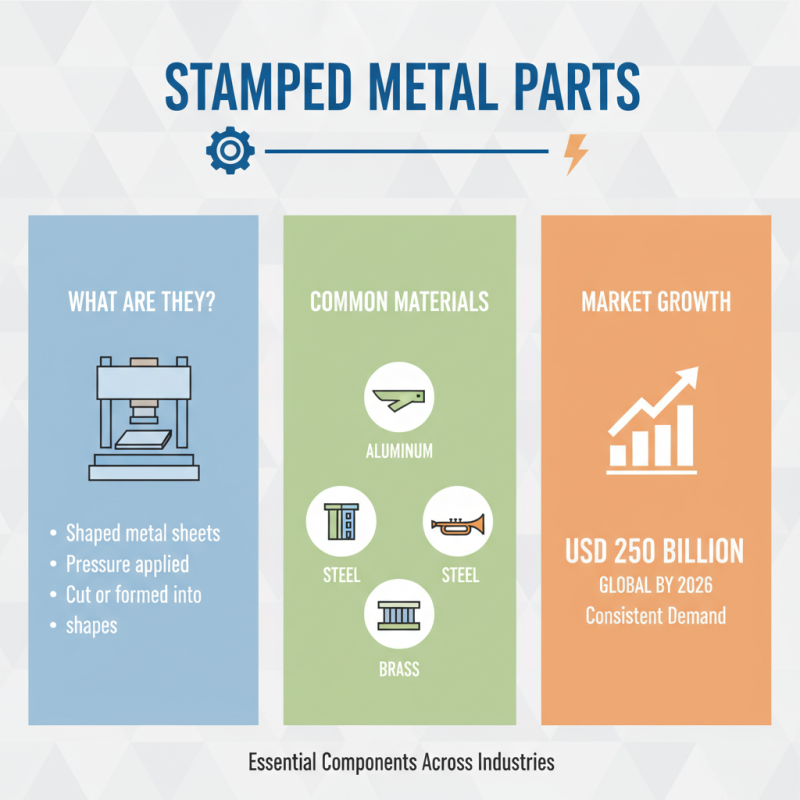
Stamped metal parts are a crucial component in various industries. They are created by shaping metal sheets through a process of stamping, which involves applying pressure to cut or form metal into desired shapes. Common materials used include aluminum, steel, and brass. Reports indicate that the global metal stamping market is projected to reach USD 250 billion by 2026, reflecting a consistent demand across sectors.
Applications for stamped metal parts are vast. They include automotive components, electronic housings, and appliances. The automotive industry alone accounts for over 30% of the market share, pointing to the significance of these parts in vehicle manufacturing. Stamped parts are essential for enhancing product durability and functionality. However, there can be concerns about precision. Minor discrepancies in the stamping process can lead to larger issues in assembly.
Tips: Ensure regular maintenance of stamping equipment. This will improve accuracy and compensate for wear.
Every design must account for tolerances. Small mistakes can result in costly redesigns. It’s essential to evaluate prototypes rigorously. Some manufacturers rush to production without adequate testing, risking performance issues later. Quality checks throughout the process can mitigate these risks. Investing time in initial phases can save resources long-term.
The Manufacturing Process of Stamped Metal Parts
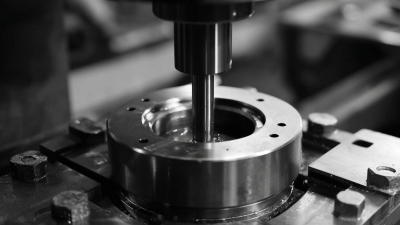
The manufacturing process of stamped metal parts is intricate and precise. It often begins with a metal sheet that gets cut into specific shapes. The sheets can be made from various metals, such as steel or aluminum. Pressing machines apply immense pressure to form the metal. This process creates consistent, high-quality shapes quickly. However, achieving perfection can be challenging.
After stamping, the parts often require finishing touches. These can include trimming edges or adding surface treatments. One common application is in the automotive industry. OEM Stamped Metal Parts are prevalent in car frames and bodies. Still, manufacturers face issues like waste material and defects in the stamping stage. Each step requires careful monitoring to minimize errors.
Sometimes, complexities arise in scaling up production. Balancing speed and quality is often tough. Occasionally, achieving the desired tolerances can take several prototypes to perfect. The need for constant improvement is essential. Manufacturers must regularly evaluate their processes. Emphasizing efficiency and precision often leads to better outcomes in producing stamped metal parts.
Applications of Stamped Metal Parts
Common Materials Used in Stamped Metal Parts
Stamped metal parts play a vital role in various industries. The manufacturing process involves shaping metal sheets into desired forms using a stamping machine. Common materials used in these parts include steel, aluminum, brass, and copper. Each material offers its unique properties that suit specific applications.
Steel is widely favored for its strength and durability. It is often used in automotive and construction projects. Aluminum, being lightweight, is preferred in aerospace and electronic devices. Brass and copper are excellent for electrical applications due to their conductivity. Their resistance to corrosion is also a significant benefit when used in stamped parts.
When considering materials for ODM Stamped Metal Parts, remember to evaluate the specific requirements of your project.
Tip: Always prototype to test the performance of different materials before full-scale production. A well-thought-out design can save time and cost later. Keep in mind that the choice of material can sometimes lead to unforeseen challenges, such as machining difficulties. Choosing the right metal ensures better product quality and reduced waste.
Advantages of Using Stamped Metal Parts
Stamped metal parts are essential in various industries, offering unique advantages. One key benefit is their cost-effectiveness. According to a study by the Fabricators and Manufacturers Association, stamped parts can reduce production costs by up to 30%. This is vital for manufacturers seeking to enhance profitability. High-volume production minimizes labor and material expenses, making stamped metal parts a preferred choice.
Another advantage is precision. Stamping processes can achieve tolerances as tight as ±0.002 inches, ensuring high-quality products. This accuracy is important in the automotive and aerospace industries, where safety is paramount. However, not every Stamped Metal Parts Product meets strict standards. Manufacturers must routinely inspect and test their products. Failure to do so can lead to costly recalls or damage to reputation.
Durability is also a significant factor. Components made through stamping can endure harsh environments. Yet, some designs may limit their strength or functionality. Continuous innovation in stamping techniques can address these challenges. For example, advanced materials and processes are being developed to improve the reliability of stamped parts. The industry needs to stay adaptable to ensure the evolving demands are met efficiently.
What is Stamped Metal Parts and Their Applications? - Advantages of Using Stamped Metal Parts
| Dimension | Specification | Material Types | Applications | Advantages |
| 0.5 mm - 5 mm | Thickness | Steel, Aluminum, Brass | Automotive, Electronics, Appliances | High Precision, Cost-effective Production |
| Custom Sizes | Length & Width | Stainless Steel, Copper | Construction, Medical Devices | Flexibility in Design, Fast Production |
| 0.1 mm - 20 mm | Tolerance | Alloy, Carbon Steel | Aerospace, Defense | Durability, Lightweight Structure |
Industries That Utilize Stamped Metal Parts
Stamped metal parts are widely used across various industries. These components are created by pressing metal sheets into specific shapes. The automotive industry, for instance, relies heavily on stamped metal parts. They are used in body panels, brackets, and many other components. The precision of these parts ensures safety and performance in vehicles.
Another key sector utilizing stamped metal is electronics. Stamped metal parts are found in casings, connectors, and even circuit boards. Their lightweight and durable nature makes them ideal for many applications. The medical device industry also benefits from these parts. They help create equipment that must meet strict safety standards.
However, not all stamped metal parts are created equally. There can be issues with consistency and quality control. Some manufacturers might rush production, leading to defective parts. A reputable Stamped Metal Parts Company focuses on quality and precision. The challenges in the stamped metal industry remind us that attention to detail is crucial for success.
Applications of Stamped Metal Parts in Everyday Products
Stamped metal parts play a crucial role in various industries. They are crafted through a process called stamping, which involves shaping metal sheets into specific forms. This technique is widely used to produce components found in everyday products. Reports suggest that the stamped metal parts market is projected to reach $265 billion by 2026, reflecting their growing importance.
In automotive manufacturing, stamped parts are everywhere. They construct elements like brackets, chassis, and body panels. For instance, approximately 70% of a vehicle's sheet metal parts are made through stamping processes. This contributes to lighter vehicles, improving fuel efficiency. However, sustainability remains a concern. The production processes can generate waste and emissions, urging the industry to seek greener alternatives.
Consumer electronics also rely heavily on stamped metal components. Items such as smartphones and laptops use these parts for support structures and internal frames. The compact design of today’s devices often sacrifices durability. This may lead to increased product failure rates. According to industry data, up to 20% of electronics return for repairs within the first year. Striking a balance between cost and quality is vital but challenging for manufacturers.
Future Trends in Stamped Metal Parts Technology
The future of stamped metal parts technology is exciting and evolving. As industries strive for efficiency, newer methods are emerging. Automation is set to play a pivotal role. Robotic processes can enhance precision and reduce defects in production. Imagine a factory where machines learn from errors, minimizing waste. This shift could lead to significant cost savings and increased output.
Sustainability is another crucial trend. Manufacturers are actively seeking eco-friendly materials. Recycled metals are becoming popular, reducing the carbon footprint. However, sourcing high-quality recycled materials presents challenges. This requires a delicate balance between performance and environmental responsibility.
Innovations in stamping techniques are also on the rise. Advanced software allows for better design simulations. This can significantly lower lead times and improve customization. Yet, the industry must continuously adapt to new demands. Unforeseen challenges often arise. Adapting to market shifts remains a priority for many producers. They must stay alert and ready for change.
Optimizing Efficiency and Precision: Insights from Industry Reports on Turned Metal Component Manufacturing Trends
In the realm of turned metal component manufacturing, optimizing efficiency and precision is paramount. Industry reports reveal a rising demand for precision turned components, driven by technological advancements in manufacturing processes. These components, characterized by their effectiveness in applications requiring accurate positioning, force transmission, or actuation, are increasingly crafted using advanced turning techniques. According to recent data, the global market for precision turned parts is projected to grow at a compound annual growth rate (CAGR) of 5.6% over the next five years, underscoring the value of efficiency in production practices.
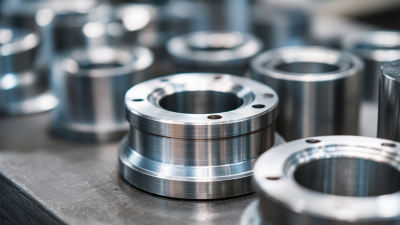
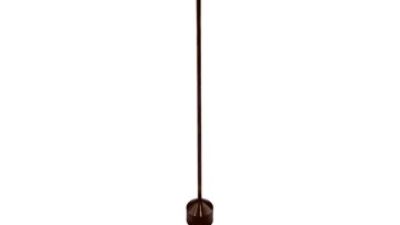
The precision turned metal component reflects innovation with its streamlined design—a long, slender rod attached to a shaped head—providing both functionality and versatility across various industries. Industry insights indicate that manufacturers are leveraging automation and computer numerical control (CNC) technologies to refine their production processes, which not only reduces lead times but also enhances the precision of each component. Reports highlight that organizations adopting these methods report up to a 30% increase in productivity and a notable reduction in production waste.
As the demand for high-quality components continues to rise, the emphasis on precision manufacturing has never been more critical. With projected growth in key sectors such as aerospace and automotive, manufacturers are increasingly focusing on developing refined techniques that meet strict industry standards. By honing in on advanced turning processes, businesses can not only optimize their manufacturing capabilities but also position themselves favorably in a competitive market.
FAQS
: It aims to provide valuable information and assistance. Users can access resources easily.
You can reach customer support through email or a contact form on the website.
Information includes guides, tips, and answers to common questions. It varies based on user needs.
Most resources are free. Some premium options may incur charges, but details are uncomplicated.
Yes, it is compatible with most mobile devices. The interface is user-friendly and accessible.
Report the issue using the feedback form. We review all submissions and strive to improve.
Data protection is a priority. Measures are in place, but users should remain cautious.
We aim to update content regularly. However, some information may not always reflect the latest changes.
Yes, user feedback is always welcome. It helps us refine and enhance the service.
No, users can access resources as often as needed. There are no strict limitations in place.
Conclusion
Stamped Metal Parts are components created through a manufacturing process that involves cutting and shaping metal sheets. This technique allows for high precision and efficiency, utilizing various materials such as steel, aluminum, and copper. The advantages of stamped metal parts include reduced production costs, consistency in quality, and the ability to produce large quantities rapidly.
These components find extensive applications across various industries, including automotive, electronics, and aerospace. Everyday products such as appliances, automotive parts, and electronic casings frequently incorporate stamped metal parts. As technology advances, the future of stamped metal parts looks promising, with innovations aimed at enhancing production capabilities, reducing waste, and improving material performance, ensuring their continued relevance in modern manufacturing.