In the constantly changing world of manufacturing, fine-tuning your Metal Stamping Dies is pretty much essential if you want to boost efficiency and get more out of your production. As someone who's been in the game, Shengyi Intelligent Technology Co., Ltd. really knows their stuff when it comes to precision engineering — from CNC turning and milling to metal stamping, Springs, and wire molding. With all the experience we've gathered in research, development, making things, and customer service, we totally get how big of a difference a well-optimized die can make in the whole manufacturing process. In this blog, I want to share seven of the best tricks for optimizing Metal Stamping Dies. These tips are practical and backed by real expertise—they can help you ramp up performance, cut down on waste, and boost your profits. So, stick with us as we explore some proven methods that could totally change the way you approach die optimization and take your operations to the next level.
Understanding the Importance of Metal Stamping Die Optimization
Getting those Metal Stamping Dies optimized really makes a big difference when it comes to running smoother production lines and cutting down costs. I came across a report from Grand View Research — it says the global market for metal stamping is expected to hit $250 billion by 2025! That just shows how much everyone’s craving more efficient ways to manufacture stuff. When companies focus on improving their dies, they can shave off cycle times and waste less scrap, which not only helps the environment but also keeps their wallets happy.
One thing that really stands out is how important it is to keep precision in check when making these dies. I’ve read that just bumping up accuracy by about 1% can actually slash material waste by around 10%. Crazy, right? Plus, using modern tech like CAD and simulation tools has been a game-changer — it can cut down the production setup time by nearly a third. That means manufacturers can adapt faster and stay ahead of the curve. As more industries move toward lean manufacturing, putting effort into die optimization is gonna be a must if they want to stay competitive and turn a profit in the long run.
7 Best Techniques to Optimize Metal Stamping Dies for Maximum Efficiency
| Technique | Description | Benefits | Impact on Efficiency |
| Regular Maintenance | Scheduled inspections and repairs to keep dies in optimal condition. | Reduces downtime and extends die lifespan. | Increases overall production time. |
| Material Selection | Choosing high-quality materials for die construction. | Enhances durability and reduces wear. | Lowers replacement costs and boosts productivity. |
| Design Optimization | Using software to create efficient die designs. | Improves precision and reduces scrap rates. | Maximizes output per run. |
| Heat Treatment | Applying thermal processes to enhance material properties. | Increases hardness and resistance to deformation. | Enhances die performance and longevity. |
| Lubrication Techniques | Utilizing the right lubricants to minimize friction. | Reduces wear and tear and improves surface finish. | Decreases maintenance needs and increases speed. |
| Operator Training | Training staff on proper die handling and operation. | Ensures safe and efficient operation. | Minimizes errors and maximizes productivity. |
| Investing in Technology | Integrating advanced machines and automation. | Providing higher accuracy and speed. | Significantly boosts production rates. |
Key Techniques for Enhancing Die Design Efficiency
When it comes to making die design more efficient in metal stamping, there are actually quite a few key techniques that can really make a difference. One of the biggest game-changers is using advanced software for simulation and modeling—stuff that lets designers see how the die will perform and tweak things before actually starting production. It’s pretty cool because running different scenarios early on helps catch potential problems, which means less downtime and less wasted material down the line.
Besides just relying on software, throwing in standardized parts can really help speed things up. Using readily available components simplifies assembly and makes maintenance a lot easier too. Not only does this cut down costs and lead times, but it also makes future upgrades and modifications simpler—keeping the die relevant longer-term.
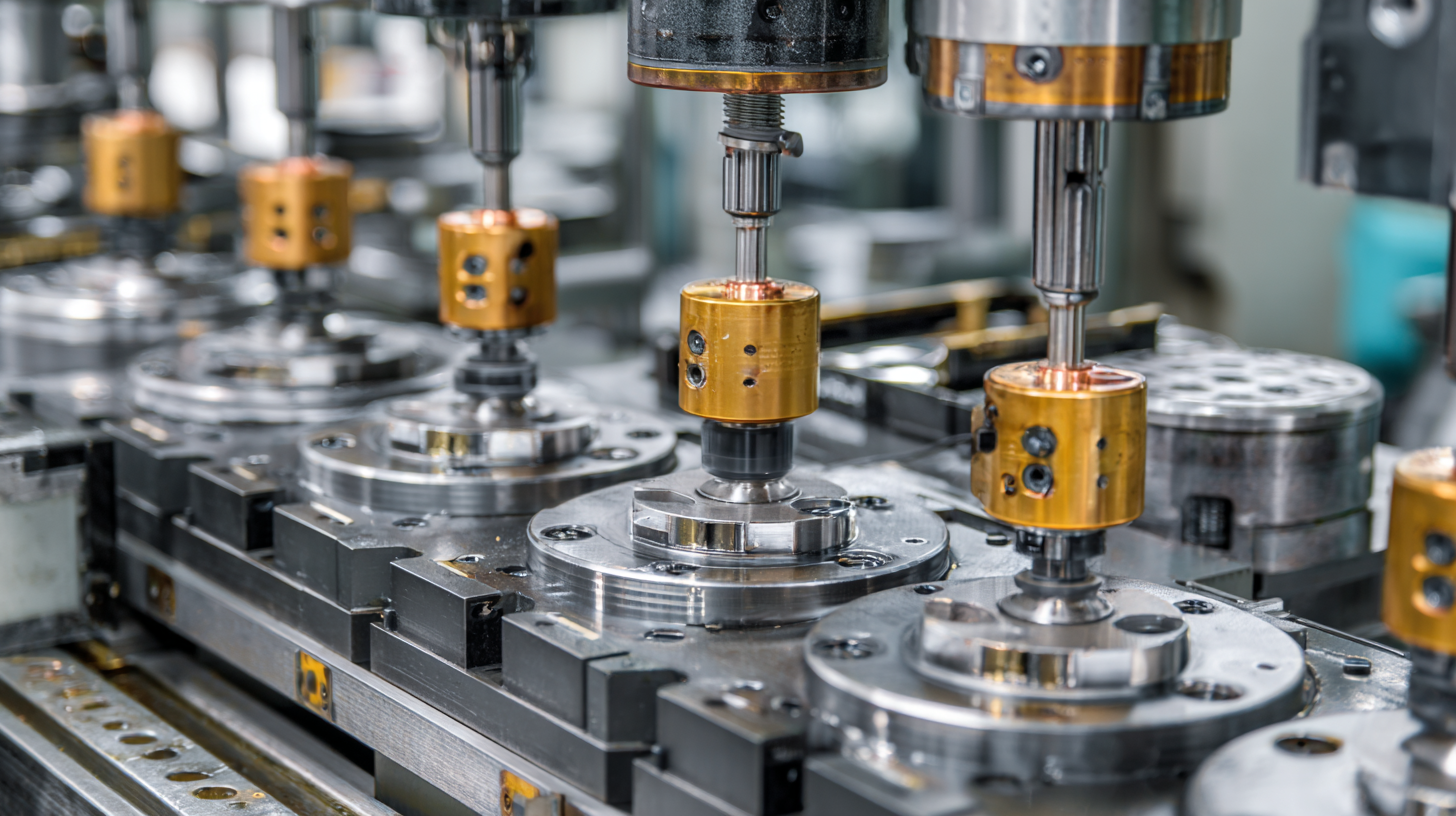 And here’s a little tip—regularly reviewing and updating your die design can lead to ongoing improvements. Plus, staying in touch with the operators who actually use these dies day-to-day gives you valuable insights. When you combine all these techniques, manufacturers can really boost productivity and improve the overall quality of their metal stamping processes.
Material Selection: Choosing the Right Metals for Optimal Performance
When it comes to getting metal stamping dies running at their best, choosing the right materials is a pretty big deal. Seriously, the metals you pick can make all the difference—things like strength, flexibility, and durability really matter. For example, using top-quality stainless steel or alloyed steels can really boost how long your dies last, plus make the whole production process smoother and more efficient. These materials aren’t just tough enough to handle repeated stamping—they also help keep precision and accuracy in check, which is super important when you're dealing with high-volume manufacturing.
At Shengyi Intelligent Technology Co., Ltd., we're all about using advanced materials in our CNC turning and milling. We've got a ton of experience with metal stamping parts, so we totally get how crucial it is to choose metals that can handle tough conditions and stay reliable over time. By applying our knowledge of different material properties, we can customize solutions that fit specific industrial needs. That way, we not only boost efficiency but also cut down on downtime in production. Bottom line: smart material choices are key to getting the best results in metal stamping—and that’s what we’re all about.
Advanced Maintenance Strategies for Prolonging Die Life
To really get the most out of your metal stamping dies and make them last longer, it’s important to adopt smart maintenance habits. Regular check-ups are key—spotting signs of wear and tear early on can save you a lot of headaches down the road. Whether it’s looking out for surface scratches, dents, or any deformations, catching these issues early helps keep your production smooth and prevents costly downtime. A consistent inspection schedule can be a game-changer, ensuring problems are addressed before they become big issues.
Another crucial thing is using the right lubrication. The proper lubrication not only cuts down on friction between the moving parts but also shields your dies from rust and corrosion. Setting up a lubrication routine that’s tailored to your specific materials and working environment makes a huge difference—trust me, it keeps things running smoothly and extends the life of your dies. And don’t forget—training your team on proper maintenance practices really helps too. When everyone understands why these steps matter, the whole process becomes way more efficient and productive. Basically, a mix of regular inspections, smart lubrication, and a well-trained crew can make your dies last way longer—and save you some money in the long run.
Utilizing CAD and Simulation Software for Enhanced Precision
Looking at the world of metal stamping these days, it's pretty clear that fine-tuning your dies is a game-changer. It can seriously boost your productivity and cut down on costs. One of the smartest moves you can make is using CAD and simulation software — honestly, they make die design and development way more precise. I read in a report by the Precision Metalforming Association that companies who jump on the CAD train can cut their design time by as much as 30%. That’s huge because it speeds up the whole production process. Plus, it means less waste of materials, which is always a good thing in the long run.
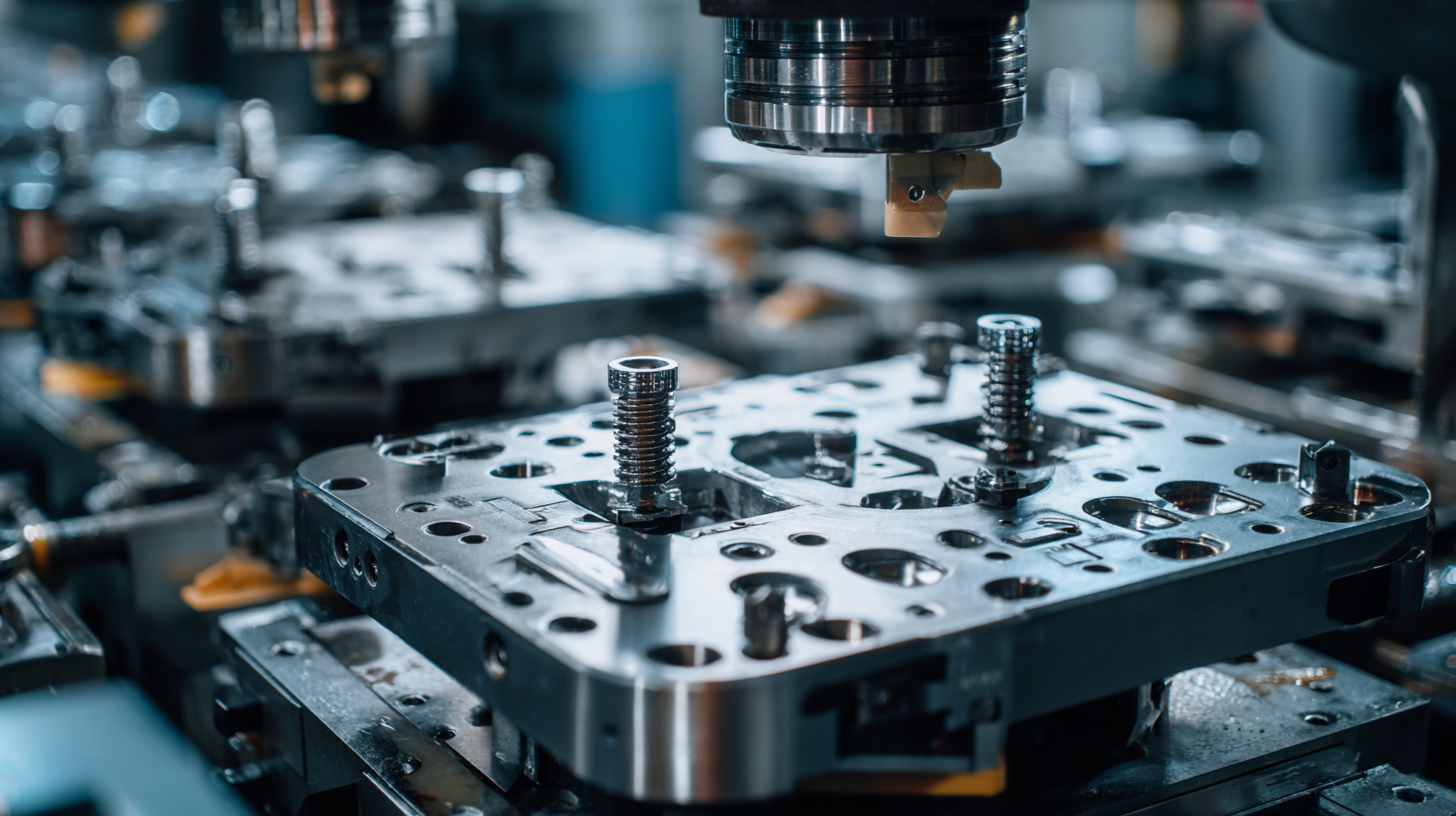
And here’s the thing — simulation software? It’s a total lifesaver. It lets manufacturers catch potential issues before they even happen. With tools for stress analysis and metal flow, engineers can tweak die designs and get a feel for how the material's going to behave under different stresses. This means fewer expensive prototypes and more confidence that your parts will meet the strict specs needed in industries like auto and aerospace. According to Techni-Tool, using these simulation tools can help cut material costs by another 20% and boost overall quality, so your stamped parts aren’t just good enough—they’re spot on. All in all, investing in these advanced techs doesn’t just make your process more efficient but also helps you stay ahead in a pretty competitive and fast-changing market.
Implementing Continuous Improvement Practices in Die Production
Keeping up with continuous improvement is pretty much essential if you want your metal stamping dies to run at their best. When manufacturers bring in approaches like Lean Manufacturing and Six Sigma, it’s really about taking a step back, analyzing how things are going, and making small tweaks to do better. This means regularly checking how the dies are performing, spotting any waste or bottlenecks, and listening to feedback from the folks on the shop floor—that’s where a lot of good ideas come from. Tools like value stream mapping can be super helpful too because they give a clear picture of the whole process, making it easier to spot where things might be slowing down or wasting time, and then simplify the workflow.
On top of that, creating a culture where everyone is encouraged to improve constantly really makes a difference. When employees at all levels feel they can share their insights—and actually do—it leads to some pretty innovative ideas. Regular training is a must so folks stay updated on the latest skills and techniques to get those dies working smoothly. Plus, if open communication becomes the norm, new ideas can flow freely, leading to some serious improvements. Taking a proactive approach to solving problems and being open to change helps companies stay flexible, making their production process way more efficient. All in all, it’s about creating an environment where continuous improvement is just part of the daily grind, leading to better results in metal stamping die operations.
Optimization Techniques for Metal Stamping Dies
Unlocking Style and Functionality: Elevate Your Writing Experience with a Metal Pen Clip
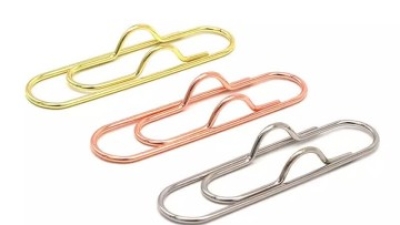
Are you looking to enhance both the style and functionality of your writing tools? Look no further than our exquisite metal pen clips, designed to elevate your writing experience while providing an aesthetic appeal that complements any pen. These clips aren’t just a visual upgrade; they embody excellent elasticity and durability, ensuring that your pen is always securely attached to your notebook or folder. The precision manufacturing guarantees a perfect grip, allowing you to write with confidence, knowing your pen is safe and easily accessible.
In addition to their practical benefits, our metal pen clips introduce a sophisticated flair to your everyday writing routine. Available in various finishes, they can seamlessly blend with your unique style or stand out as a statement accessory. Whether you’re at the office, attending a meeting, or simply jotting down thoughts on the go, these clips serve a dual purpose—keeping your pen close at hand while enhancing your professional appearance. Upgrade your writing ensemble with a metal pen clip that not only secures your writing instrument but also reflects your commitment to quality and style.
FAQS
: Key strategies include regular inspections to identify wear and tear early, applying proper lubrication techniques, and training staff on maintenance practices.
Inspections should be conducted systematically based on a schedule to catch issues before they escalate, thereby minimizing downtime and repair costs.
Proper lubrication reduces friction between moving parts and protects die surfaces from corrosion, extending die longevity and ensuring optimal performance.
CAD and simulation software enhance precision by reducing design time by up to 30%, improving material efficiency, and allowing for proactive identification of potential issues.
They enable stress analysis and metal flow simulation, which optimize die geometries and anticipate material behavior, reducing the need for costly physical prototypes.
Continuous improvement practices such as Lean Manufacturing and Six Sigma help analyze and refine production processes, reduce waste, and improve workflow.
Regular training equips staff with the latest skills and techniques, fosters a culture of continuous improvement, and encourages innovative ideas.
Tools like value stream mapping can help visualize the production process to identify inefficiencies and enhance workflow.
It empowers employees to contribute insights and promotes proactive problem-solving, resulting in a more agile production environment and improved efficiency.
Feedback helps identify areas of waste and inefficiencies, allowing for informed adjustments that optimize the overall production process.
Conclusion
When it comes to metal stamping dies, optimizing them isn't just a fancy buzzword — it’s actually super important if you want better manufacturing efficiency and higher-quality products. Honestly, throughout our journey exploring this topic, we’ve realized how really understanding and improving die design can make a big difference — like cutting down costs and ramping up production. Some of the key things that really help are tweaking die design, picking the right metals, and staying on top of maintenance strategies. Using tools like CAD and simulation software? They're absolute game-changers for getting things just right. And, let’s not forget, keeping a mindset of continuous improvement means our die production keeps up with the ever-changing industry demands.
At Shengyi Intelligent Technology Co., Ltd., we’ve got solid experience in CNC turning, milling, and making metal stamping parts. That’s why we’re all about applying these optimization tricks to get the job done better. By focusing on perfecting Metal Stamping Dies, our goal is to deliver top-notch products that really meet the fast-paced needs of our clients across different industries.