Leave Your Message
0%

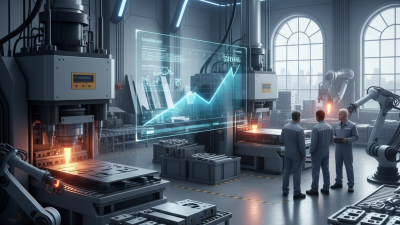
Picking the right Stamped Metal parts can really make a big difference in the quality and performance of your product. Did you know that, according to Market Research Future, the worldwide market for these parts is expected to keep growing at a solid pace—over 6% annually—from 2020 all the way through 2027? That’s pretty impressive, and it just goes to show how many industries, like auto and aerospace, are driving this demand.

When you're choosing stamped metal parts, it’s a good idea to think about a few key things—materials, design, and how they’re made. Steel tends to be a crowd favorite because of its strength and durability, but don’t overlook aluminum if you’re looking to cut down weight—it could be just what you need for certain applications. The trick is to really weigh your options so you don’t end up with something that doesn’t quite fit, which can end up costing you more in the long run.

And here’s something else—quality control is super important. A study published in the International Journal of Advanced Manufacturing Technology pointed out that nearly 30% of companies have run into defects with metal Stamping. That’s a pretty stark reminder to do your homework on suppliers. Working with vendors who have a solid track record can save you from headaches down the line, making sure you get parts that meet your standards. All in all, taking the time to make informed decisions can really pay off and help you nail those project results.
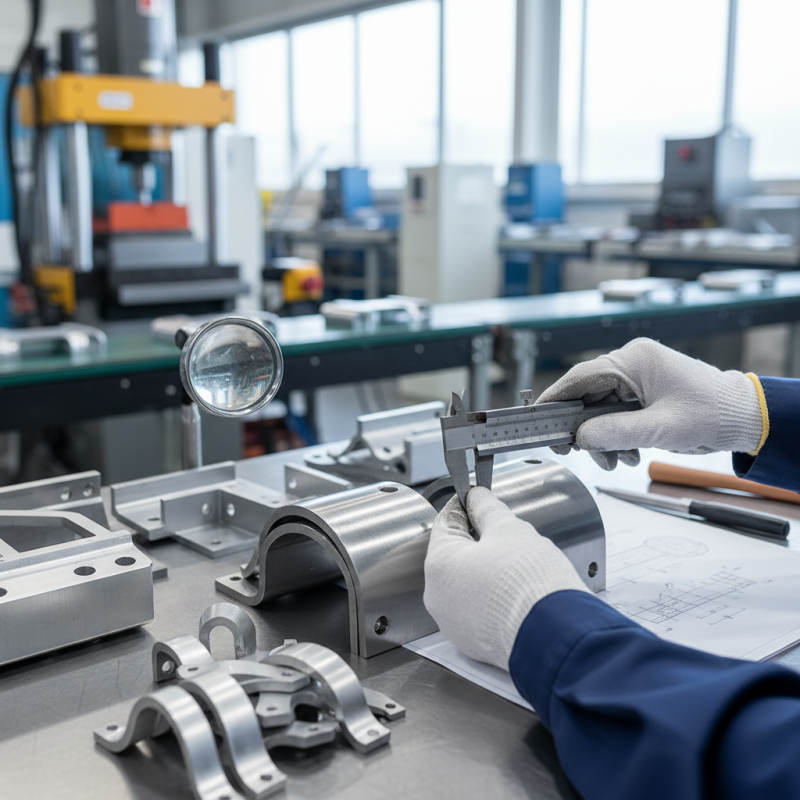
Essential Tips for Choosing Stamped Metal Parts?

Understanding Stamped Metal Parts and Their Applications

Stamped metal parts are critical components in various industries. They are integral to automotive, aerospace, and Electronics sectors. According to industry research, about 40% of all metal components in vehicles are made from stamped metal parts. These components can be produced in large quantities, making them cost-effective for manufacturers. However, the choice of stamped parts is not always straightforward.

Understanding the application of stamped metal parts is essential. Precision is key. Even a slight deviation in design can lead to significant issues. For instance, an incorrect dimension in a stamped part can compromise product performance. The choice of material also matters. Common materials include steel, aluminum, and brass. Each material has unique properties that affect durability and weight. As reported by industry analysts, aluminum is gaining popularity due to its lightweight and corrosion resistance.

When selecting OEM Stamped Metal Parts, it's crucial to communicate your requirements clearly. Many manufacturers can meet specifications, but ensure they understand your needs, including tolerances and finishes. Overlooking these details can lead to delays or subpar products. Different manufacturers offer various capabilities, so it's wise to review their track records. A good fit between your needs and their capabilities can result in a successful project. Be prepared for potential adjustments along the way.

Factors to Consider When Selecting Stamped Metal Parts

When selecting stamped metal parts, several factors come into play. Material choice is crucial. Steel, aluminum, and brass each offer different benefits. For example, steel provides strength, while aluminum is lightweight and corrosion-resistant. Consider the application's specific demands. Will the parts face high stress or corrosive environments?

Another important factor is precision. Stamped parts must fit perfectly in their intended assembly. Check the tolerances required for your project. Ensure that the manufacturer can meet these specifications. Misalignment can cause significant functional issues. Collaboration with the manufacturer during the design phase can help avoid these problems.

Cost also matters. Cheap parts may save money upfront, but they could lead to higher long-term costs. Consider durability and performance. Investing a bit more can prevent future replacements. Quality always outweighs price in the long run. Lastly, review the manufacturer's experience with similar projects. Their expertise could guide you to better options. Reflect on these tips to make an informed choice.

Material Selection for Stamped Metal Components

Material selection is crucial when it comes to stamped metal components. Different materials offer unique properties that affect performance and durability. Steel remains a popular choice due to its strength and cost-effectiveness. According to a study by the Metal Forming Association, over 70% of stamped parts are made from various grades of steel.

Aluminum is another common option. It is lightweight and resistant to corrosion. A recent report from the Aluminum Association indicated that aluminum usage in automotive applications has increased by 45% in the past decade. This reflects a shift towards lighter materials that improve fuel efficiency.

However, the choice of material is not without challenges. Not all metals perform well under every condition. Factors like temperature, moisture, and fatigue can lead to unexpected failures. Many manufacturers overlook these aspects, leading to costly errors down the line. Ongoing research is vital to understand how different materials will behave in specific applications. Crafting effective parts requires careful thought about these variables.

Design Considerations for Efficient Stamped Parts

When designing stamped metal parts, efficiency is key. Focus on the geometry of your parts. Simple shapes reduce complexity and costs. Avoid intricate designs that complicate the stamping process. Test different designs to find the most efficient option. Remember, sometimes less is more.

Material selection matters greatly. Choose metals that balance strength and weight. Consider the environment where the parts will be used. Corrosion resistance might be critical for some applications. Evaluate the production volume, too; some materials are better suited for high-volume production.

Here are some tips for better outcomes. Ensure tolerances are tight but realistic. Don’t over-specify; it can lead to production challenges. Prototype your designs before finalizing them. This step allows for adjustments based on real-world performance. Lastly, collaborate with experts in ODM Stamped Metal Parts to refine your approach. Their insights can identify potential pitfalls early.

Quality Control Measures in Stamped Metal Manufacturing

Essential Tips for Choosing Stamped Metal Parts?

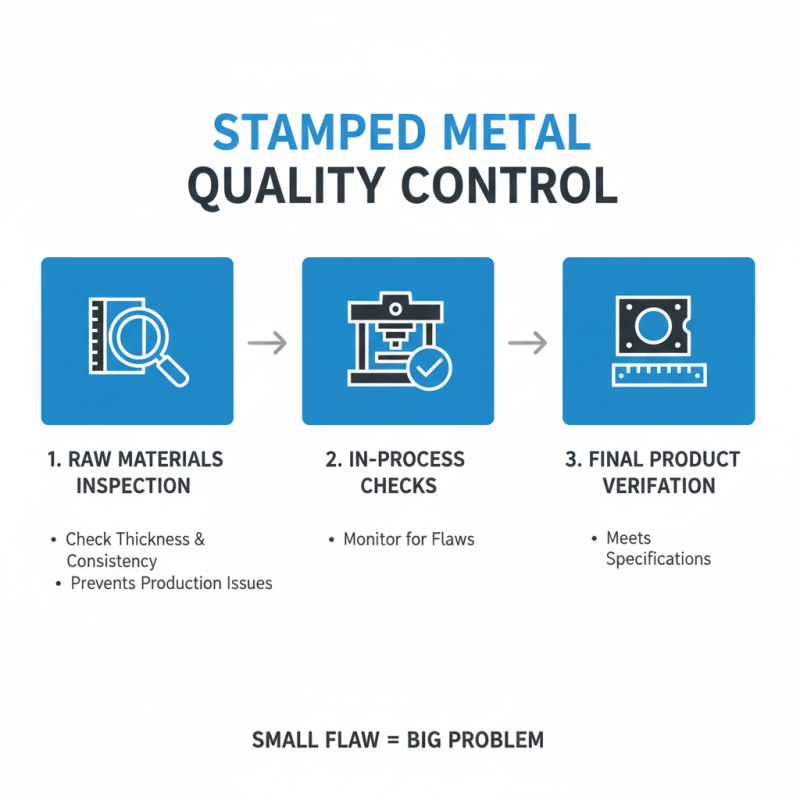
In stamped metal manufacturing, quality control is crucial. It ensures that parts meet specifications. Quality checks begin with raw materials. Using high-quality metal prevents issues later in production. Each batch should be inspected for thickness and consistency. A small flaw can lead to significant problems.

During the stamping process, monitor the machinery closely. Regular calibration is essential. Machines can wear down over time, affecting precision. Employing experienced operators helps reduce human errors. They can spot inconsistencies faster than a machine could.

Post-production, conduct thorough inspections. Use tools like calipers and gauges to measure dimensions. Flaws must be addressed before parts leave the factory. Not all defects are visible. Some might only show during installation. This can lead to costly recalls. Continuous improvement practices can help in minimizing such risks.

Cost Implications of Stamped Metal Parts Choices

Essential Tips for Choosing Stamped Metal Parts?

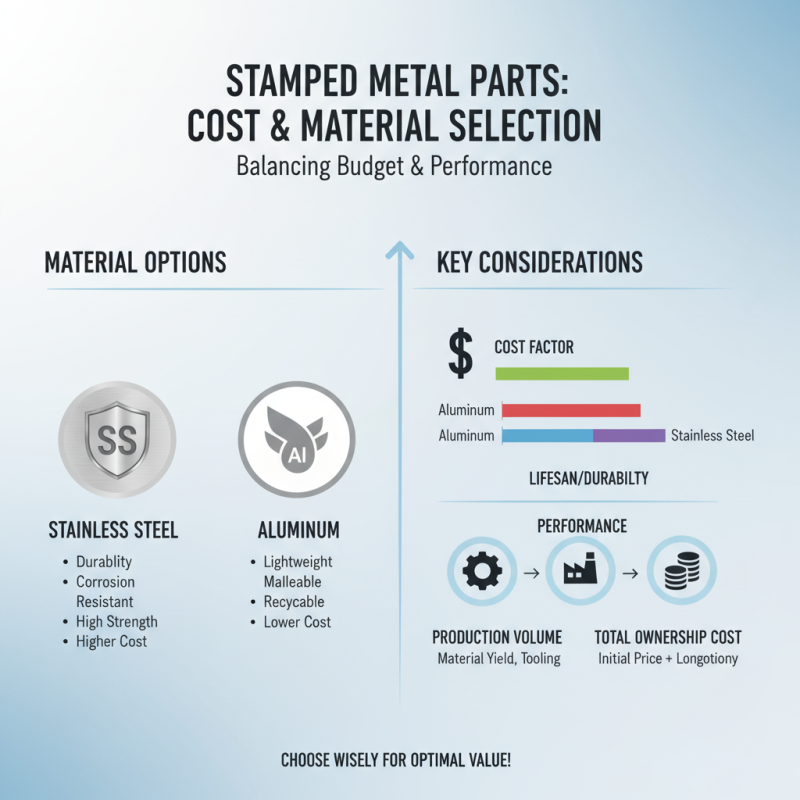
When selecting stamped metal parts, cost is a key factor. Various materials like stainless steel and aluminum can significantly affect overall pricing. Each material offers distinct benefits but also unique cost implications. For instance, while aluminum is lighter and often cheaper, stainless steel provides more durability, sometimes leading to higher expenses.

Design complexity is another important consideration. A more intricate design may require advanced machinery or longer production times, which raises costs. Checking with manufacturers about design limitations can prevent unexpected charges. Also, keep in mind that lower upfront costs do not always mean savings in the long run. A cheaper Stamped Metal Parts Product may require more frequent replacements or repairs.

Lastly, consider the scalability of your order. Bulk orders might reduce per-piece costs, but they also demand a substantial upfront investment. If your project is uncertain, a smaller initial order may be wiser. Balancing immediate costs with potential future expenses is crucial. Understand the trade-offs you are making when you choose stamped metal parts. Making thoughtful decisions today can lead to better financial outcomes tomorrow.

Supplier Assessment and Selection for Stamped Metal Parts

When selecting a supplier for stamped metal parts, careful assessment is crucial. The right partner can impact the quality and cost of your products significantly. According to the Metal Stamping Market Report 2022, the sector is projected to grow at a CAGR of 5.5%. This growth indicates increased competition. You need to be discerning.

Tip: Look for companies with ISO certifications. These standards ensure consistent quality. A reputable Stamped Metal Parts Company will have robust quality control processes. Don't hesitate to ask for their processes. Transparency is key.

Researching supplier capabilities is essential. Consider their production capacity, technology, and workforce expertise. You want a supplier that can scale with your needs. A recent study showed that 70% of manufacturers face supply chain disruptions. Ensure your supplier can adapt quickly.

Tip: Evaluate communication practices. Poor communication can lead to misunderstandings. Choose a supplier that values responsiveness. Reflections on your choices matter; a wrong decision could cost you. Make sure you invest your time wisely.

Maximizing Strength and Versatility: The Benefits of CNC Precision-Machined Metal Brackets for Your Projects

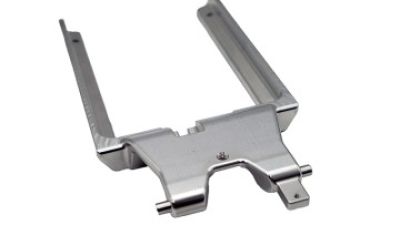
In modern industrial applications, the demand for precision and adaptability has driven the adoption of CNC precision-machined metal brackets. These components are engineered to meet stringent quality standards, often with tolerance levels down to ±0.01mm. This high level of precision is critical for ensuring seamless integration into more complex assemblies, which is increasingly essential in industries such as aerospace, automotive, and robotics, where even minor discrepancies can lead to significant operational failures.

The advanced CNC machining process allows for the creation of metal brackets that not only boast a sleek, angular design but also provide enhanced versatility in various applications. A report by the Precision Metalforming Association highlights that precision metal parts yield higher efficiencies and lower per-unit costs when produced in larger volumes, making them ideal for both prototyping and mass production. Furthermore, their smooth metallic finish not only enhances aesthetic appeal but also contributes to durability, reducing the likelihood of wear and tear in demanding environments.

The ability to customize these brackets for specific projects adds to their allure. With CNC machining, manufacturers can easily modify designs to fit unique specifications, ultimately resulting in components that can outperform traditional counterparts. As more industries look to optimize their production processes, the reliance on versatile, high-precision components like CNC machined metal brackets will continue to increase, reinforcing their essential role in modern manufacturing.

FAQS

: What is the main focus of the articles?

: The articles discuss various topics related to health and wellness.

Are there any tips for maintaining a healthy lifestyle?

Yes, regular exercise and balanced nutrition are essential for well-being.

How can I improve my mental health?

Mindfulness, adequate sleep, and social connections are vital for mental wellness.

Is it okay to have unhealthy habits sometimes?

Everyone has moments of indulgence. It’s important to reflect and strive for balance.

What should I do if I feel overwhelmed?

Take a break, breathe deeply, and consider talking to someone who can help.

How can I better manage stress in my life?

Prioritize self-care, practice relaxation techniques, and identify stressors.

What role does nutrition play in overall health?

Good nutrition fuels the body and supports various bodily functions.

How often should one exercise for optimal health?

Aim for at least 150 minutes of moderate exercise each week.

Are there long-term benefits to healthy living?

Yes, maintaining healthy habits can lead to a longer, happier life.

What is a common mistake people make in their wellness journey?

Many underestimate the importance of consistency and patience in achieving health goals.

Conclusion

When selecting Stamped Metal Parts, understanding their applications and the specific factors that influence their choice is crucial. Key considerations include material selection, ensuring that the metal component meets the necessary performance and durability requirements. Design elements also play a significant role, as efficient designs can enhance production processes and reduce costs. Additionally, implementing robust quality control measures during manufacturing is essential to ensure the reliability of the stamped parts.

Cost implications are another vital aspect, as various choices can significantly affect the overall project budget. Therefore, a thorough supplier assessment is necessary to select a reliable partner who can provide high-quality Stamped Metal Parts that meet the project specifications. By focusing on these essential tips, manufacturers can make informed decisions that lead to optimal outcomes in their metal stamping projects.
Lucas

Lucas

Lucas is a dedicated marketing professional at Dongguan Shengyi Intelligent Technology Co., Ltd., where he leverages his extensive expertise in the field to elevate the company's presence in the competitive market. With a profound understanding of the company's core business that focuses on......
Previous Innovative Approaches to Precision Metal Stamping for Global Manufacturers