In the fast-paced world of manufacturing, finding quality Stamped Metal Parts is pretty darn important. I mean, industry veteran John Smith from MetalWorks International once said, “The right parts can make or break your entire production line.” That really hits home, doesn’t it? It just highlights how crucial it is to get a good handle on all the little details when you're buying these components.
Now, when you're venturing into the global market for Stamped Metal Parts, there are quite a few hurdles to watch out for. Quality can vary a lot, specs might not be consistent, and different suppliers have their own capabilities—sometimes it’s honestly a bit overwhelming. Plus, a common struggle is figuring out how to balance costs with the quality you really need for your project. But hey, don’t worry too much—these issues are manageable. Setting clear, solid criteria for choosing suppliers can make a huge difference and make the whole sourcing process way smoother.
Getting a good grip on what makes Stamped Metal Parts special is really key. Every project has its own unique needs—whether it’s tight tolerances, special Surface Finishes, or other specifics. A smart sourcing approach takes these details into account but also keeps things flexible. Sometimes it’s worth reflecting on past experiences—where did things go well, and where could things have been better? That ongoing process of learning and adjusting is what ultimately leads to a successful sourcing journey.
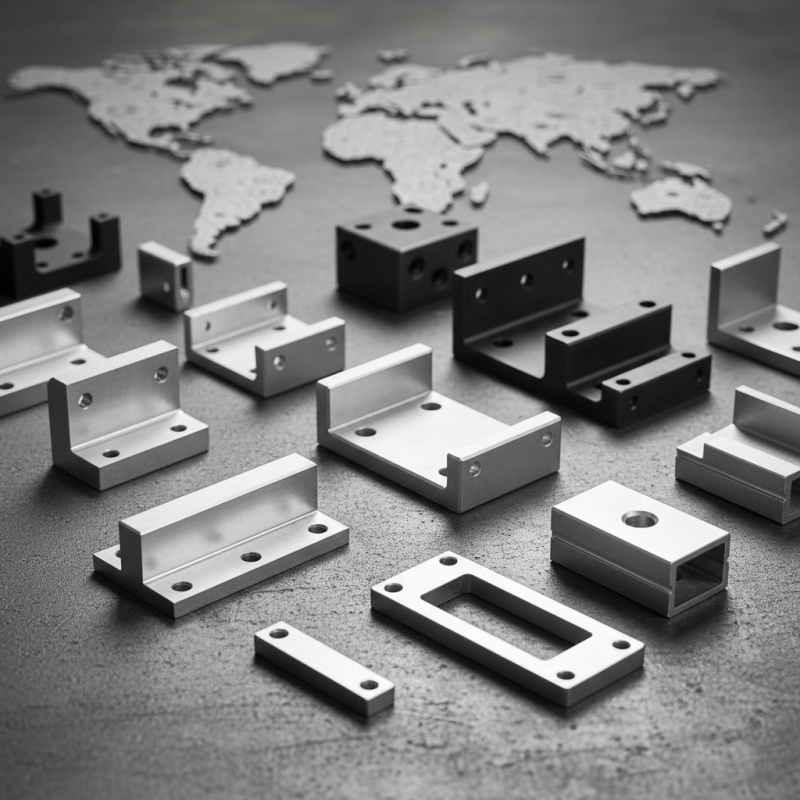
Understanding Stamped Metal Parts: An Overview
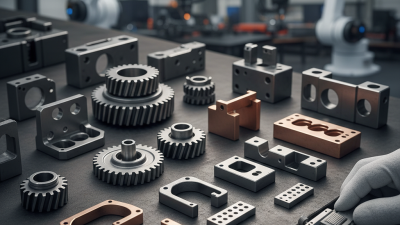
Stamped metal parts are vital components in many industries, including automotive, aerospace, and consumer goods. Understanding their structure and applications is essential for effective sourcing. These parts are created by cutting or forming metal sheets using a Stamping process. This can be done through various methods, such as progressive stamping or deep drawing. Each method has unique advantages, impacting the final product's cost and quality.
OEM Stamped Metal Parts often require strict tolerances and precise specifications. Issues such as material selection and finishing processes can significantly affect their performance. For instance, a poorly chosen material may lead to premature wear or failure. Additionally, the stamping process must be carefully monitored to prevent defects. Companies should consider their supplier's expertise in managing these factors to ensure reliable production.
Many buyers overlook the importance of supplier communication when sourcing stamped parts. Clear discussions can clarify quality standards and delivery timelines. It's crucial to establish trust and transparency with manufacturers. Misunderstandings can lead to complications that impact project timelines and budgets. Reflecting on these details can lead to better decision-making in the sourcing process.
Key Industries Utilizing Stamped Metal Components
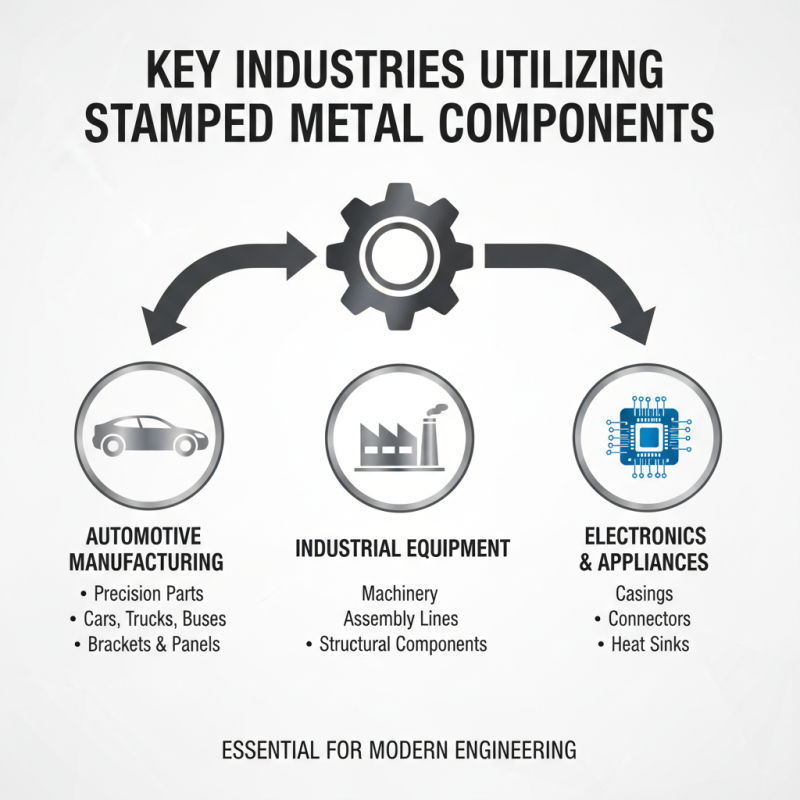
When exploring the realm of stamped metal components, several key industries rely heavily on these parts. Automotive manufacturing is a primary user, requiring precision parts for vehicles. Stamped metal components serve essential functions in cars, trucks, and buses. Certain parts, like brackets and panels, are crucial for structural integrity.
Electronics also significantly benefit from stamped metal. Devices use these components to create durable housings and enhance performance. The telecommunications sector often necessitates custom stamped parts. These serve vital roles in infrastructure and connectivity solutions.
**Tip:** Choose manufacturers with a proven track record. Assess their capabilities and reliability through client testimonials.
Another industry worth mentioning is aerospace. Stamped metal components provide safety and function in aircraft design. They undergo stringent quality checks and certifications. This ensures high performance in challenging environments.
**Tip:** Always verify compliance with industry standards. This is essential for maintaining safety and quality.
In construction, stamped metal parts play a role in structural support. They contribute to the longevity of various structures. Not every part meets the required standards, so thorough vetting is necessary.
Criteria for Selecting Stamped Metal Parts Suppliers
Choosing the right stamped metal parts suppliers can greatly impact your sourcing strategy. The selection process involves evaluating several key criteria that reflect reliability and expertise. First, assess the supplier's experience in producing ODM Stamped Metal Parts. An established supplier often has a proven track record and can handle various engineering challenges.
Next, consider the manufacturer's quality control processes. Are their quality assurance measures robust? Are they compliant with industry standards? A supplier that prioritizes quality can minimize defects and ensure consistency, but not all suppliers have adequate controls in place. It’s important to ask for certifications and previous case studies to gauge their reliability.
Lastly, communication and customer support play crucial roles. How responsive is the supplier to inquiries? Do they provide timely updates during production? Effective communication can prevent misunderstandings and foster a beneficial partnership. Remember, while some suppliers may present impressive capabilities, their willingness to collaborate effectively can make a significant difference in your project’s success.
Global Sourcing Strategies for Stamped Metal Parts
In the competitive landscape of global sourcing, understanding the nuances of stamped metal parts is crucial. Companies must evaluate potential suppliers thoroughly. It is vital to assess their manufacturing capabilities, quality assurance processes, and delivery reliability. A thorough supplier audit can reveal strengths and weaknesses. This reflection helps in making informed sourcing decisions for Stamped Metal Parts Product needs.
Engaging with manufacturers directly can offer insights into their production techniques. Face-to-face meetings can build better relationships, allowing for a deeper understanding of their capabilities. The challenge lies in balancing cost and quality when sourcing. Often, lower prices come with quality trade-offs. It’s essential to weigh these factors, ensuring that your stamped metal parts product meets the required standards without breaking the budget.
Consider regional advantages too. Different areas may offer unique benefits. For instance, some regions specialize in certain materials or processes that can enhance your products. However, this isn’t a one-size-fits-all approach. Various suppliers may have different production timelines and responses to market changes. Ensuring that there is flexibility in your sourcing strategy will greatly help mitigate risks associated with global sourcing.
Top Stamped Metal Parts Buyers Guide
Evaluating Quality Standards in Stamped Metal Production
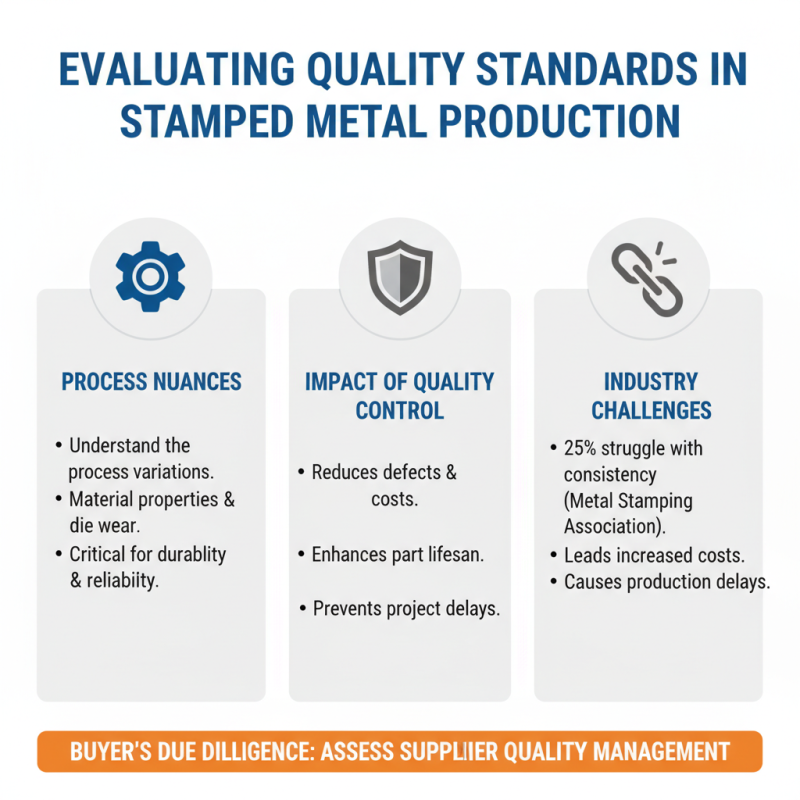
When evaluating quality standards in stamped metal production, understanding the nuances of the process is essential. Various studies show that quality control can significantly impact the durability and reliability of stamped parts. According to a report from the Metal Stamping Association, around 25% of manufacturers struggle with consistency in quality. This inconsistency can lead to increased costs and project delays. Buyers must be vigilant and assess the quality management systems of potential suppliers.
Tip: Always request a supplier’s quality certifications. This can provide insights into their adherence to industry standards.
Moreover, it's crucial to scrutinize the materials used. Different types of metals react uniquely during stamping. Research indicates that 40% of defects arise from improper material selection. Collaborating with a knowledgeable Stamped Metal Parts Company can enhance material choice, ensuring the final product meets specifications and expectations.
Tip: Conduct a small-scale test run before full-scale production. Testing can unveil unforeseen issues early in the process.
Quality assurance processes must be integrated, covering everything from initial designs to final inspection. By prioritizing these evaluations, buyers can secure quality in stamped metal production, minimizing potential setbacks and promoting confidence in their sourcing decisions.
Cost Factors in Sourcing Stamped Metal Components
When sourcing stamped metal components, cost is a key concern. Several factors influence the overall price. The complexity of the design significantly affects costs. Intricate designs require advanced tools and longer production times. This can lead to higher expenses for manufacturers.
Materials also play a crucial role in determining costs. Different metals vary in price and availability. Choosing a less common metal may increase expenses due to sourcing difficulties. Bulk purchasing can help mitigate high material costs. However, it requires careful planning to avoid excess inventory.
Labor costs are another important aspect. Skilled labor often demands higher wages, impacting overall production costs. Finding a balance between quality and cost is essential. Companies may need to weigh the benefits of hiring local versus overseas labor. Each option presents its own set of challenges and savings. Ultimately, understanding these cost factors is vital for effective global sourcing of stamped metal parts.
Future Trends in Stamped Metal Parts Manufacturing and Sourcing
The future of stamped metal parts manufacturing and sourcing is poised for transformation. According to a recent industry report by MarketsandMarkets, the global stamped metal parts market is expected to reach $165 billion by 2026, growing at a CAGR of 4.3%. This growth is driven by advancements in automation and increased demand from automotive and aerospace sectors.
Manufacturers are increasingly adopting smart technologies in their processes. This shift allows for improved precision and efficiency. For instance, research from the International Journal of Precision Engineering and Manufacturing shows that automation can enhance production speed by up to 50%. However, reliance on technology raises concerns about workforce skills and the potential for job displacement.
As companies navigate these changes, it is essential to prioritize sustainable sourcing practices. According to a Deloitte report, 77% of companies plan to focus on sustainability in their sourcing decisions. This is a positive trend, yet it requires ongoing evaluation of supply chain impacts.
Tip: Evaluate your supplier's sustainability practices. Ensure they align with your values and goals.
It’s also wise to stay informed about market trends. Changes can happen rapidly. Regularly review industry publications and reports to adapt your sourcing strategies.
Tip: Set up alerts for industry news. This keeps you proactive and ready for shifts.
The Ultimate Guide to CNC Precision-Machined Metal Brackets: Applications, Benefits, and Choosing the Right Product
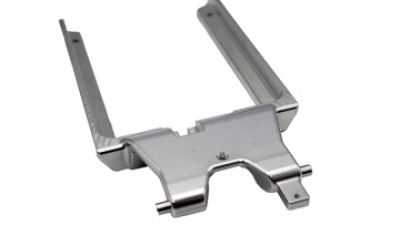
When it comes to CNC precision-machined metal brackets, understanding their applications and benefits is crucial for making informed decisions. These brackets are essential components in various high-precision industrial applications, where reliability and accuracy are paramount. Crafted with advanced CNC machining techniques, these metal brackets exhibit an impeccable sleek, angular design that not only adds an aesthetic touch but also contributes to their functionality within complex assemblies.
One of the standout features of these CNC-machined metal brackets is their strict tolerance control, which can be as precise as ±0.01mm. This level of precision ensures that the brackets fit seamlessly into any assembly, minimizing the risk of errors and enhancing operational efficiency. The smooth metallic finish not only improves durability but also allows for easy integration and alignment with other parts. Utilizing such high-quality brackets can lead to improved performance and reliability in machinery, making them a worthwhile investment for industries demanding the highest standards of workmanship.
When choosing the right metal bracket, it's important to consider the specific requirements of your projects. Factors such as load-bearing capacity, environmental resistance, and compatibility with other components should guide your selection process. With the right choice, CNC precision-machined metal brackets can greatly enhance system performance, paving the way for innovation and efficiency in various industrial applications.
FAQS
: Stamped metal parts are made by cutting or forming metal sheets. They are used in various industries, like automotive and aerospace.
They are created using methods like progressive stamping or deep drawing. Each method has unique benefits impacting cost and quality.
Poor material choices can cause premature wear or product failure. Choosing the right metal is crucial for performance.
Clear communication helps set quality standards and delivery timelines. Trust and transparency are vital for successful projects.
Requesting quality certifications from suppliers is essential. This shows their adherence to industry standards.
Inconsistent quality can lead to increased costs and project delays. Buyers must assess suppliers' quality management systems.
Conducting small-scale test runs can uncover issues early. Testing is vital before initiating full-scale production.
Studies indicate that about 25% of manufacturers face challenges with maintaining consistent quality in their products.
Approximately 40% of defects stem from improper material selection during the stamping process.
Buyers should integrate quality assurance processes, ensuring evaluations from design to inspection are covered thoroughly.
Conclusion
The article "Top Stamped Metal Parts Buyers Guide for Global Sourcing" provides a comprehensive overview of stamped metal parts and their significance across various industries. It discusses the key sectors that utilize these components, such as automotive and electronics, and outlines essential criteria for selecting reliable suppliers. The guide emphasizes the importance of global sourcing strategies and how companies can effectively navigate the complexities involved in acquiring stamped metal parts.
Furthermore, the article delves into the critical aspects of evaluating quality standards in stamped metal production and highlights the factors influencing costs in sourcing these components. By examining future trends in stamped metal parts manufacturing and sourcing, the guide equips buyers with valuable insights to make informed decisions and adapt to the evolving market landscape. Ultimately, it serves as a vital resource for anyone looking to understand and procure stamped metal parts efficiently.