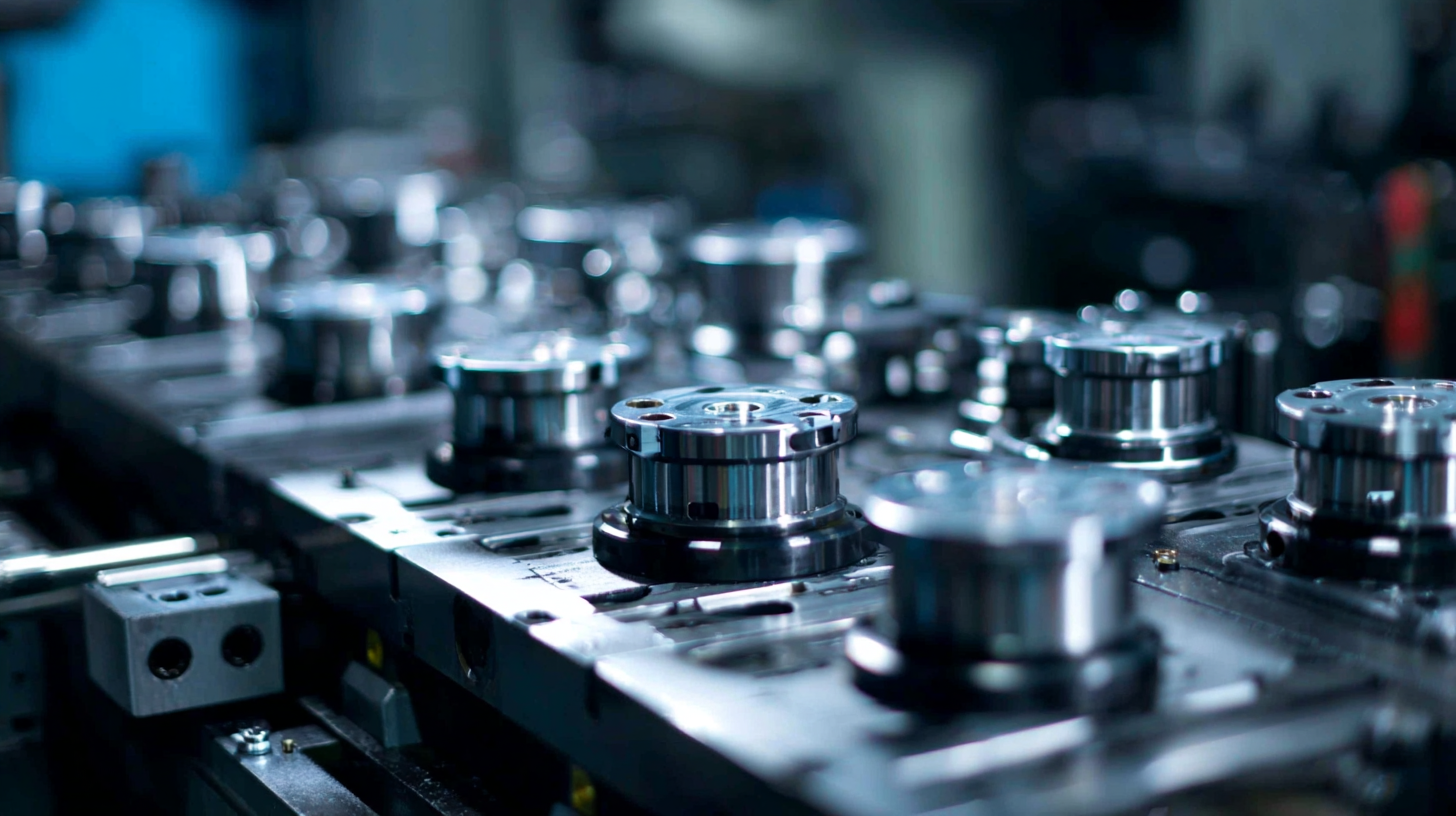
In today’s fast-changing world of manufacturing, getting a good grip on what metal Stampings are and how they fit into the puzzle is pretty important for companies looking to boost their efficiency. According to a report by Market Research Future, the global metal stamping market is expected to hit around USD 321 billion by 2025, with a solid growth rate of about 5.5% annually. That’s a big deal because it shows just how vital metal stamped parts are across different industries like cars, electronics, and aerospace. Shengyi Intelligent Technology Co., Ltd. is really leading the charge in this space, offering everything from CNC turning parts to metal stamping solutions. As demand for precise and high-quality parts grows, more and more businesses are exploring other options in metal stamping—things that can help them speed up production, cut costs, and make parts that last longer. So, in this ultimate guide, we’ll take a closer look at some of those alternatives and see how they could really shake up manufacturing efficiency.
The Significance of Metal Stampings in Modern Manufacturing
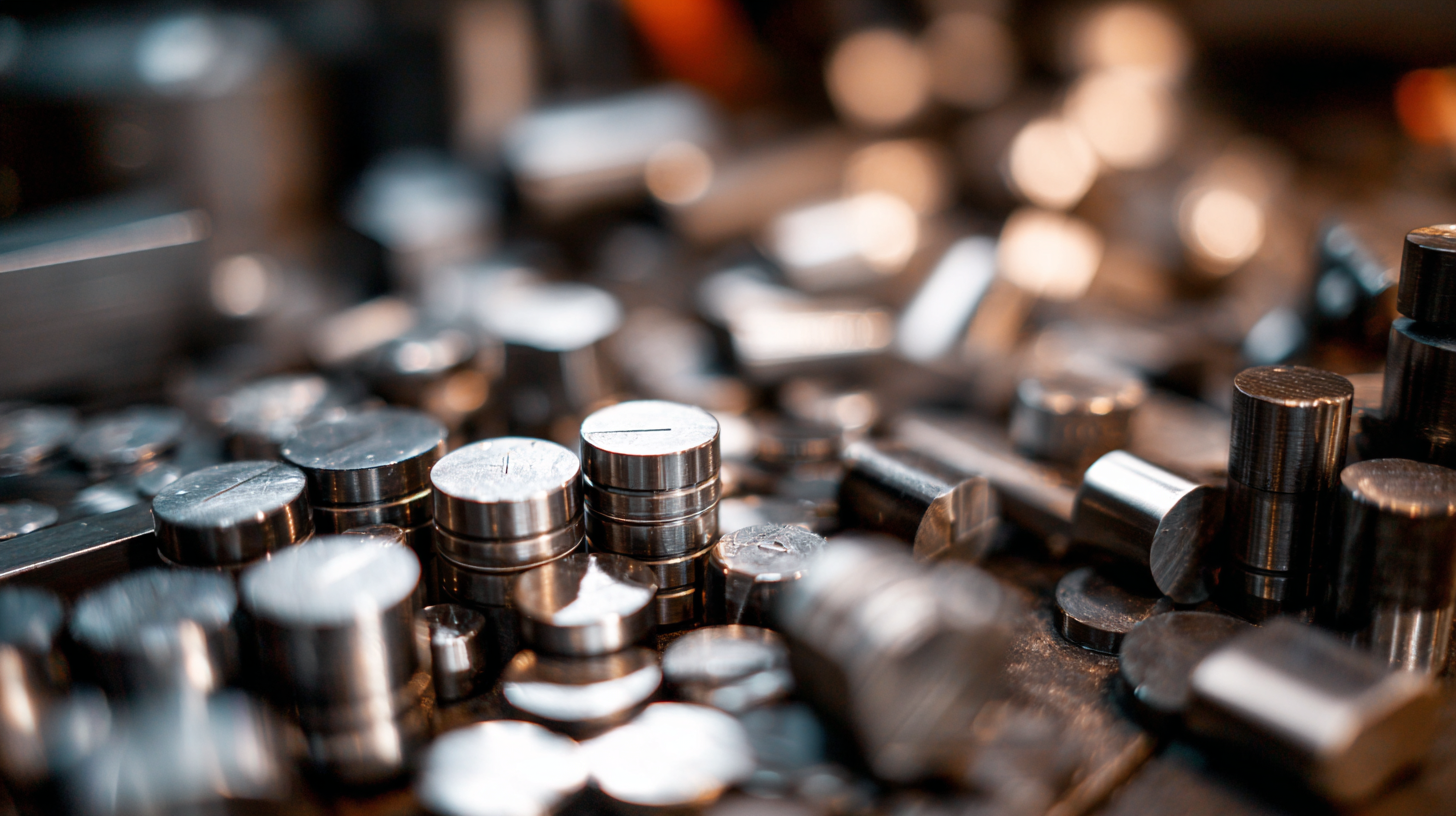
Metal Stampings really are a big deal in today's manufacturing world. They're pretty much everywhere — helping industries boost efficiency and cut costs at the same time. As more companies start using the latest manufacturing tech, the importance of these stamped parts just keeps growing. Think about it: they’re key in everything from cars to electronics, making sure everything runs smoothly and consistently. And if you look at the market, it's expected to hit around USD 18.76 billion by 2033 — that’s a sign of how crucial they’re becoming.
If you're looking to get the most out of
metal stampings in your production line, here are a few tips that might help. First off, investing in
high-quality tooling is a game-changer — it lasts longer and makes more precise stamps, which means fewer hold-ups and faster production. Also, don’t forget to regularly maintain your stamping machines; it’s the best way to avoid unexpected breakdowns and costly repairs. And on top of that, if you can, go for
automation. Adding some automated processes can seriously ramp up output and save you money on labor. Overall, these little tweaks can make a pretty big difference in how efficiently your
metal stamping operations run.
Key Techniques and Processes in Metal Stamping Operations
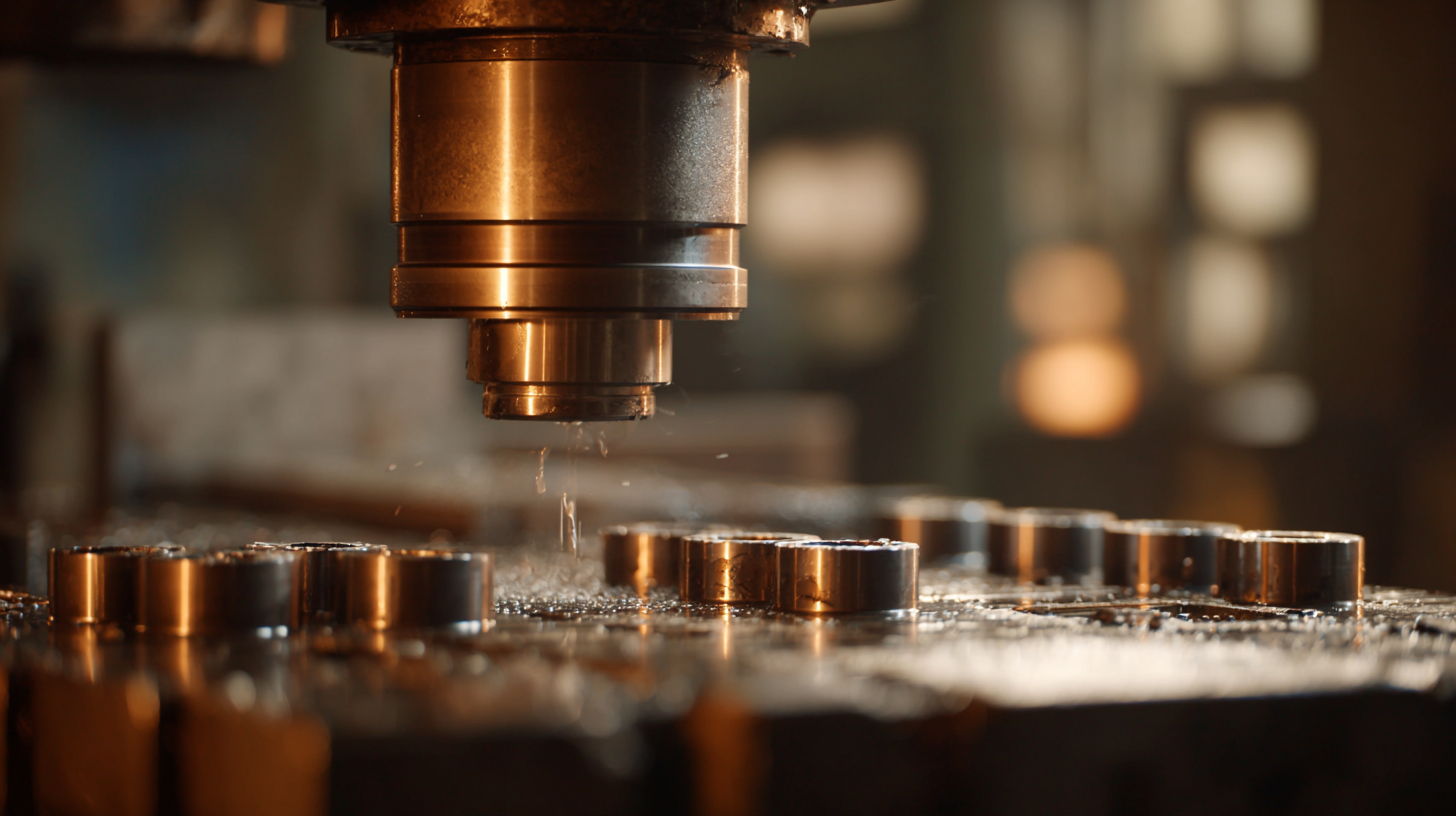 Metal stamping really plays a huge role in today’s manufacturing world. It’s one of those processes that not only boosts how quickly things get done but also keeps things super precise. One technique that’s pretty common is progressive die stamping — basically, you run metal sheets through a series of dies, continuously shaping the metal as it moves along. According to the folks over at the Precision Metalforming Association, about 30% of all metal products made these days actually come from stamping processes. And honestly, it’s a win-win: you get more parts out faster, with less waste, which helps keep costs down.
Then there’s deep drawing — another key technique that’s great for making really complex shapes. It’s all about pulling a flat piece of metal into a die, which makes the final part way stronger and more durable. Studies from the American Society of Mechanical Engineers show that deep drawing can use up to 40% less material compared to traditional methods like blanking. When manufacturers adopt these advanced stamping techniques, they can really step up their game, working more efficiently and staying competitive out there in the market.
How Metal Stampings Enhance Product Quality and Durability
You know, metal stampings might not be something you hear about every day, but they really play a big part in making products better and more durable—whether we're talking cars, planes, or even gadgets. I was reading a report the other day from Industry Research, and it mentioned that the global market for metal stamping is expected to hit around $220 billion by 2027. That's quite a booming scene, growing at about 5.3% annually. This really shows how much companies are counting on metal stamping for those tiny, high-precision parts that have to meet strict quality standards — pretty impressive, huh?
Now, the process behind all this is pretty fascinating. Metal stamping is all about crafting parts with tight tolerances, so everything fits just right and looks good. The Precision Metalforming Association even pointed out that firms using more advanced methods in metal stamping are seeing about a 30% boost in product durability compared to those sticking to the old-school ways. By using automated machines and experimenting with new materials, manufacturers can keep the quality consistent and cut down on wasted materials. That means not only longer-lasting products but also a more efficient manufacturing process overall. Honestly, it just goes to show how essential metal stampings are in today’s super competitive market—pretty cool stuff, right?
Exploring the Economic Benefits of Metal Stampings for Manufacturers
Metal stampings are honestly a game-changer in today’s manufacturing scene. They bring a lot of economic perks for companies aiming to bump up efficiency and cut down production costs. When manufacturers use the latest stamping techniques, they can produce really precise parts with hardly any waste — making the whole process smoother and more efficient. And let’s be honest, that kind of precision doesn’t just mean better quality products; it also cuts down on rework and saves a bunch of time and resources.
Plus, using metal stampings can really help with scaling up. When companies invest in automated stamping machines, they can produce way more without paying a ton more in labor. That kind of scalability lets businesses keep up with rising market demands without sacrificing quality or bogging down their operations. As a result, firms that jump on the metal stamping bandwagon often end up in a pretty competitive spot — they can offer lower prices while still keeping their margins healthy.
And here's the thing: metal stampings also make manufacturers super agile. They can quickly adapt when design specs change or when new innovations pop up. That kind of flexibility encourages creativity, makes product development more exciting, and helps companies respond faster to what customers want. All in all, understanding and using metal stampings unlocks a lot of opportunities — driving growth and keeping operations sharp and efficient.
Innovative Trends and Future Directions in Metal Stamping Technologies
Hey, have you noticed how quickly metal stamping tech is changing lately? It’s all about making manufacturing smoother and more efficient. As industries look for ways to speed things up and cut costs, some pretty cool trends are popping up. One big thing right now is the push towards automation and robotics — they’re really shaking things up. These tools help manufacturers get super precise and cut production times down, which means savings in the long run and better quality products, no doubt.
If you’re thinking about jumping in, a good tip is to invest in smart tools that can handle different materials. Also, leveraging real-time data analytics can make a huge difference. By keeping an eye on how things are running, companies can make instant tweaks to stay efficient and respond fast if demand shifts.
There’s also another exciting trend — using advanced materials and alloys. They boost the performance and durability of stamped parts, which is a game-changer for applications where reliability really matters. It’s worth teaming up with material scientists to explore new material combos that fit your production goals. Innovation like this can really give you a leg up in the competitive market — it’s pretty exciting stuff!
Environmental Impact and Sustainability in Metal Stamping Practices
When it comes to metal stamping these days, sustainability and the environment are more than just buzzwords—they’re becoming a big deal for manufacturers. You know, traditional stamping methods can really pile up waste and gobble up a lot of energy, which isn’t great for our planet. But the cool thing is, with all the new tech and better materials out there, things are starting to shift. More companies are jumping on the eco-friendly bandwagon—using greener materials, tweaking their processes to cut down on excess, and recycling whenever they can to keep their footprint as small as possible.
And get this—automation and smart tech are playing a huge role too. They’re not just making things faster and more precise; they actually help save resources. For example, smarter stamping techniques mean less wasted material and lower energy use, which adds up to fewer emissions overall. Lots of companies are also doing full life cycle assessments of their products—kind of like a health check for their environmental impact—to make sure sustainability’s built into every step. Honestly, this whole approach isn’t just good for the planet; it also resonates with customers and partners who really care about responsible manufacturing. It’s pretty inspiring to see the industry moving in this direction, right?
The Ultimate Guide to Understanding Metal Stampings and Their Impact on Manufacturing Efficiency - Environmental Impact and Sustainability in Metal Stamping Practices
| Aspect | Details | Impact on Efficiency | Environmental Impact | Sustainability Practices |
| Material Selection | Choosing high-strength, lightweight materials. | Increases tool life and reduces production time. | Lower carbon footprint due to less energy usage. | Use of recycled materials to promote circular economy. |
| Process Optimization | Implementing lean manufacturing techniques. | Reduces waste and improves throughput. | Minimization of by-products and scrap material. | Continuous improvement initiatives to lower resource use. |
| Energy Efficiency | Utilization of advanced machinery with better energy ratings. | Decreases operational costs and downtime. | Lower energy consumption reduces greenhouse gas emissions. | Investment in renewable energy sources. |
| Waste Management | Implementing recycling programs for scrap metal. | Reduces disposal costs and raw material use. | Decreases landfill waste and environmental pollution. | Creating partnerships with recycling facilities. |
| Technology Adoption | Integrating automation and IoT in production lines. | Enhances monitoring and predictive maintenance. | Optimizes resource use and reduces energy waste. | Smart manufacturing solutions to streamline processes. |
Transforming Precision: The Benefits of CNC Machined Stepped Metal Components in Modern Manufacturing
In the competitive landscape of modern manufacturing, precision is paramount. The advent of CNC (Computer Numerical Control) machining has revolutionized the production of intricate components, including stepped metal parts. These components, characterized by their hierarchical cylindrical structures and precise dimensions, are tailored to meet specific assembly and functional requirements. A notable example is the precision-turned, multi-stepped metal component manufactured using advanced turning processes. This component features a threaded base and a small-diameter top section, designed to fulfill the rigorous demands of specialized equipment applications.
Recent industry reports indicate that the CNC machining market is projected to reach USD 100 billion by 2026, growing at a CAGR of 6.5%. This growth is driven by the increasing need for precision components in sectors such as aerospace, automotive, and medical devices. The ability to produce complex geometries with high repeatability and minimal waste significantly enhances operational efficiency and reduces production costs.
Moreover, the benefits of CNC machined stepped metal components extend beyond mere precision. They play a critical role in improving the functionality and durability of products. For instance, components with enhanced thread designs ensure better assembly integrity, while the multi-stepped configurations can reduce the number of parts in an assembly, promoting streamlined manufacturing processes. As industries continue to embrace digital transformation, the adoption of CNC machining will remain pivotal in driving innovation and excellence in manufacturing.
FAQS
: Metal stampings help improve efficiency, reduce production costs, create precision parts with minimal waste, and lower the need for rework, ultimately saving time and resources.
By investing in automated stamping equipment, manufacturers can increase output without raising labor costs, allowing them to meet market demand while maintaining quality.
Manufacturers using metal stampings can offer lower prices while maintaining healthy profit margins due to cost savings and operational efficiency.
Key innovations include the integration of automation and robotics, advanced materials, and data analytics to enhance precision, reduce cycle times, and improve overall product quality.
By investing in smart tools that adapt to different materials and utilizing real-time data analytics, manufacturers can monitor and adjust production processes as needed.
Manufacturers are increasingly adopting eco-friendly materials, optimizing processes, and implementing recycling initiatives to reduce waste and energy consumption, thereby minimizing their ecological footprint.
Advanced materials and alloys can reduce wear and improve durability, which is essential for applications requiring high reliability.
Life cycle assessments help manufacturers evaluate the environmental impact of their products, ensuring sustainability practices are integrated at every manufacturing stage.
Precision stamping techniques can lead to reduced material waste, lower energy usage, and decreased emissions, enhancing both efficiency and sustainability.
Metal stampings provide agility, allowing manufacturers to quickly adapt to new designs and innovations, which helps meet evolving customer needs effectively.
Conclusion
Metal stampings are a big deal in today’s manufacturing world. They really help boost efficiency and make products better overall. When manufacturers use techniques like precision stamping and advanced tooling, they can hit high marks for accuracy and consistency every time. These stamped metal parts don’t just last longer—they also help save money by cutting down on material waste and lowering production costs.
Here at Shengyi Intelligent Technology Co., Ltd., we’re pretty confident in our skills with CNC turning, milling, and metal stamping parts. That puts us right in the middle of creating smarter manufacturing solutions. As the industry moves forward and we put more focus on sustainability, we’re committed to delivering top-quality metal stampings that not only meet our clients’ needs but also keep environmental impact in check. Bottom line? If you're serious about staying competitive and thriving, embracing metal stamping is the way to go.